Learning to ride a bike is more than a physical skill—it’s a powerful rite of passage that weaves together courage, family bonds, and personal growth. But does the thrill of independence outweigh the fear of falling? This journey, often unfolding in sunlit parks and quiet streets, teaches children resilience as they wobble, fall, and try again, transforming setbacks into stepping stones. Today’s innovative methods, including balance bikes and safety gear, make the process safer and more engaging, encouraging persistence and confidence. Beyond physical skills, bike riding cultivates self-reliance, decision-making, and social connections, fostering lifelong resilience. As children pedal toward independence, they not only discover new worlds around them but also gain a profound understanding that effort, patience, and support lead to triumph. Could these early lessons of perseverance shape their ability to navigate life’s challenges long after the last ride? The answer lies in the simple yet profound act of riding a bike.
Milestones of Courage and Independence on Two Wheels
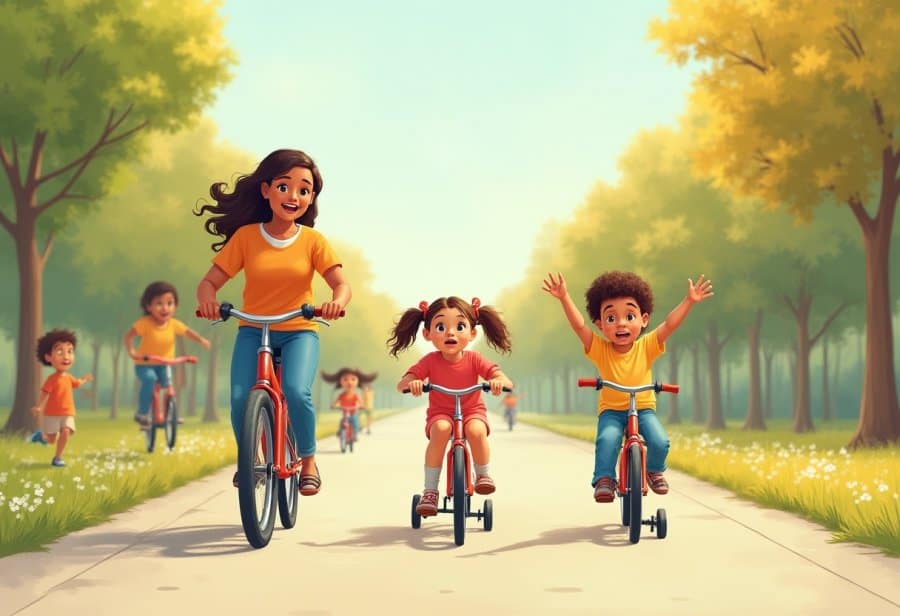
Learning to ride a bike is more than just picking up a new skill; it’s a milestone filled with emotion, pride, and shared moments that stay with us for years. For many families, it marks a turning point—an achievement that symbolizes courage, perseverance, and growing independence. Watching a child wobble on two wheels for the first time, feeling the steadying hand of a parent nearby, and then witnessing that triumphant moment when they pedal away solo—these scenes capture the essence of childhood milestones. They remind us that learning to ride isn’t just about mastering balance; it’s about facing fears, celebrating small wins, and building confidence.
These moments often unfold in simple, familiar settings: a sunny park, a quiet neighborhood street, or a schoolyard. Parents stand close, offering gentle encouragement and reassurance, eager to see their children succeed. As kids gain stability and start to trust their own abilities, their nervous grip on the handlebars loosens. The shared effort, filled with patience and laughter, turns what might seem frustrating into a joyful experience. More than physical coordination, it’s about emotional growth—learning that setbacks are part of the process and that persistence pays off.
Learning to ride a bike is also a powerful lesson in resilience. Every fall, wobble, or hesitation teaches children that setbacks aren’t failures but stepping stones toward progress. Parents who emphasize patience and support help their kids develop a growth mindset—understanding that trying again and again leads to success. These early lessons in perseverance stay with children long after they’ve outgrown their first bikes, shaping how they face challenges in school, relationships, and future goals.
Beyond individual achievement, the process deepens the bond between parent and child. It transforms a simple activity into a shared adventure—celebrating small victories together, whether it’s balancing without support or riding a few meters on their own. These moments of teamwork and encouragement reinforce the idea that overcoming fears is a collective effort. As children learn to navigate their environment on two wheels, they also learn independence, decision-making, and responsibility—foundations for self-reliance that last a lifetime.
Learning to ride a bike also introduces children to broader lessons about growth through effort and risk. Falling is inevitable, but each stumble offers a chance to try again, to build resilience and confidence. These experiences teach children that setbacks aren’t the end of the journey but part of the process of becoming more capable and brave. In this way, the act of learning to ride becomes a powerful symbol of facing fears and embracing independence—lessons that resonate well beyond childhood and stay with us as we grow.
The Developmental Power of Learning to Ride
Learning to ride a bike is more than just acquiring a new skill; it’s a pivotal moment in a child’s development that influences both their physical coordination and emotional resilience. When kids hop on their bikes for the first time, they’re not only learning to balance and pedal—they’re also gaining an understanding of their bodies and spatial awareness. These foundational motor skills support other activities like running, jumping, and even writing as they grow older. Mastering pedals, steering, and stopping helps children develop confidence in their physical abilities and fosters a sense of control over their environment.
Emotionally, the journey of learning to ride introduces children to patience and perseverance. Wobbles, falls, and moments of doubt are inevitable, but each setback teaches them that progress isn’t always linear. As they practice and gradually improve, they begin to see themselves as capable learners, building self-esteem through small victories. This process nurtures a growth mindset—an understanding that effort and persistence lead to achievement—values that extend far beyond the bike.
The social and emotional bonds formed during this learning process are just as significant. Parents and caregivers play a vital role, offering encouragement and reassurance that help children push past their fears. This shared effort transforms the activity from a simple skill into a meaningful bonding experience rooted in teamwork and trust. Celebrating each milestone together reinforces the idea that overcoming challenges is a collective journey, making the process more engaging and less intimidating for young learners.
Choosing the right approach to learning matters. Many parents start with balance bikes or training wheels, which help kids focus on steering and balancing without the added pressure of pedaling. As confidence grows, removing training wheels becomes a major milestone signaling readiness for independent riding. This gradual progression allows children to develop their skills comfortably, reducing frustration and increasing their sense of achievement. It’s a process that emphasizes patience and resilience, essential qualities for lifelong learning.
The significance of learning to ride extends well beyond childhood. It teaches children goal-setting, persistence, and resilience—lessons that shape their approach to future challenges. As they gain independence on two wheels, children also develop decision-making skills and a sense of responsibility. Riding a bike becomes a symbol of their growing confidence and capability, laying a foundation for a lifetime of growth, exploration, and self-reliance.
Modern Trends and Cultural Shifts in Biking Education
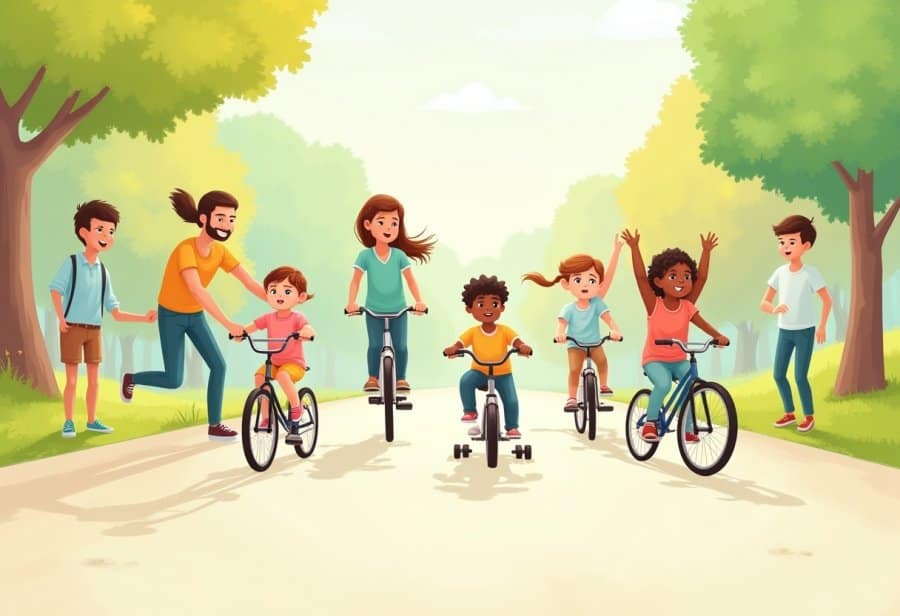
Today’s approach to teaching kids to ride a bike combines time-tested methods with innovative techniques that prioritize safety and engagement. Many parents now start with balance bikes, which help children develop core skills like steering and balancing without the complexity of pedaling. This approach allows kids to gain confidence gradually and makes the transition to a regular bike smoother and less intimidating. Meanwhile, training wheels remain popular because they provide stability, helping children learn to pedal and steer while feeling secure. This combination of tools supports a gentle progression tailored to each child’s comfort level.
Cultural attitudes around biking have shifted significantly in recent years. There’s a growing emphasis on outdoor activity, independence, and health, which encourages families to see cycling as more than just a skill—it’s a key part of childhood development. Many communities and schools promote cycling through programs that emphasize fun and safety, fostering a positive perception of riding as a lifelong activity. This broader outlook helps children associate biking with adventure, freedom, and social connection, rather than just a chore or a necessity.
Advances in safety gear and technology have also transformed how children learn to ride. Lightweight helmets, padded clothing, and protective accessories make riding safer and more appealing. Digital tools, including apps and online tutorials, offer interactive guidance that makes learning more engaging. Some bikes now feature sensors that give real-time feedback on balance and speed, helping kids improve their skills confidently. These innovations aim to make the learning process safer, more motivating, and accessible, encouraging kids to practice more often.
The rise of smart bikes and digital resources reflects a move toward personalized learning experiences. Families can choose from various options based on their child’s personality and needs, whether through structured lessons or self-guided practice. This flexibility reduces the intimidation often associated with learning to ride, making the experience more enjoyable and less stressful. As a result, more children develop a positive attitude toward cycling from the start, setting the stage for a lifelong love of riding.
Timing and environment play crucial roles in successful bike learning. Experts recommend starting lessons during warm, dry seasons when weather conditions are favorable. Observing signs of readiness—like curiosity, basic balance, and willingness—helps ensure children are prepared to learn. Choosing safe, quiet spaces such as parks or neighborhood streets creates a comfortable setting for practice, reducing the risk of accidents and building confidence. This thoughtful approach makes the process smoother and more enjoyable for both kids and parents.
Overall, modern trends in biking education focus on making learning to ride safer, more fun, and more inclusive. By combining traditional methods with innovative tools and supportive environments, families can foster a positive experience that encourages persistence and resilience. These approaches not only develop physical skills but also nurture independence and confidence that last well beyond childhood. As biking continues to evolve as a vital part of childhood growth, the focus remains on creating enjoyable, empowering experiences that inspire kids to embrace their adventures on two wheels.
Balancing Cost, Safety, and Quality for Young Riders
Getting a bike ready for a child’s first ride involves more than just choosing the right model; it requires thoughtful consideration of the overall budget. Prices can vary widely based on the type of bike and its features. Basic beginner models are usually affordable and accessible for most families, while higher-end bikes with advanced components come at a premium. Safety gear, such as helmets, knee pads, and elbow guards, are essential investments that protect young riders and boost their confidence. While these items add to the initial cost, they are crucial for ensuring a safe and positive riding experience.
In addition to the bike and safety equipment, small accessories like bells, lights, or water bottles can make riding more practical and enjoyable. These items are generally inexpensive but significantly enhance safety and fun. Families on tighter budgets can explore secondhand options—many communities have online marketplaces, thrift stores, or local cycling groups where gently used bikes and gear are available at a fraction of retail prices. This approach allows parents to outfit their children safely without overspending, especially during the early learning stages when durability isn’t yet critical.
Although the upfront costs might seem significant, investing in quality gear and a reliable bike pays off over time. Durable equipment that lasts through multiple seasons encourages kids to stay active and confident on their bikes. Cheaper options often require repairs or replacements sooner, which can end up costing more in the long run. Properly fitting helmets and bikes are key; uncomfortable or ill-fitting gear can cause frustration or safety issues, undermining the goal of enjoyable riding. Spending a bit more initially on well-made, correctly fitted gear often results in a better experience for the child.
For families just starting out, budget-friendly options can still provide a safe and enjoyable learning environment. Secondhand bikes and basic safety gear, when carefully inspected and fitted, are just as effective as new items. Many community programs and organizations offer low-cost or free training sessions that include essential safety equipment, making the process more accessible. Thoughtful planning and research help ensure children are equipped with the right gear for their size and skill level, creating a secure foundation for their riding journey.
Balancing affordability with quality remains essential. While saving money by choosing cheaper gear might be tempting, cutting corners can compromise safety and diminish the joy of learning to ride. Investing wisely in durable, well-fitting equipment creates a safer, more engaging experience that encourages kids to get on their bikes with enthusiasm. Good equipment not only protects but also motivates, helping children develop confidence and a lifelong love of cycling. A smart, budget-conscious approach ensures that the initial investment translates into lasting memories and ongoing adventure.

Transforming Daily Life: Confidence, Family Bonds, and Growth
Learning to ride a bike often transforms everyday routines into opportunities for independence and family bonding. Once children master balancing on two wheels, they gain the confidence to explore their neighborhood, visit friends, or enjoy outdoor parks without constant adult supervision. This newfound freedom encourages kids to be more active, curious, and eager to discover their surroundings, making outdoor adventures a regular part of family life.
As children grow more confident, their self-esteem naturally blossoms. Successfully riding on their own, even for short distances, helps them see themselves as capable and brave. These small victories boost resilience and foster a positive attitude toward tackling new challenges, whether it’s trying a new sport or speaking up in class. This sense of achievement often ripples into other areas, reinforcing the idea that effort and perseverance lead to success.
Family outings take on new meaning once riding becomes second nature. Weekend rides to the park or neighborhood streets become cherished traditions, creating shared moments of joy and teamwork. Parents and siblings cheer each milestone—balancing without support, riding a little farther, or simply enjoying the ride together. These experiences forge lasting memories rooted in encouragement, trust, and mutual celebration, turning cycling into a symbol of unity.
Children also learn resilience through the inevitable falls and wobbles of early riding. When parents emphasize that setbacks are part of learning, kids develop patience and a growth mindset. They understand that falling isn’t failure but a necessary step toward mastery. This perspective helps them approach other difficulties with optimism, knowing persistence makes a difference and setbacks are simply stepping stones.
Beyond physical skills, learning to ride instills important life lessons. Kids learn how to assess their environment, make decisions about where and how to ride safely, and plan routes with awareness. These skills foster independence and responsibility, empowering children to take charge of their safety and enjoyment. Over time, cycling becomes more than a skill—it’s a pathway to self-reliance and confidence that extends into many aspects of their lives.
The positive impact of riding often extends into social development. Children who ride regularly tend to become more outgoing and willing to engage with peers. The confidence gained on two wheels translates into better social interactions, whether initiating play or handling new situations. Cycling also opens doors to new friendships through community groups or neighborhood rides, enhancing their sense of belonging.
For families, these experiences often redefine weekend routines. The simple act of riding together turns into shared adventures and mutual encouragement, deepening emotional bonds. Kids feel supported and motivated, knowing their efforts are recognized and celebrated. These moments strengthen family ties and remind everyone of the joy found in small, collective achievements.
Ultimately, learning to ride a bike does more than teach a skill—it shapes a child’s outlook on life. It nurtures resilience, independence, and confidence while creating lasting family memories. As children pedal forward into new challenges, they carry with them lessons of perseverance and trust, setting the foundation for a lifetime of growth and adventure.