As urban areas grapple with increasing flooding risks from heavy rainfall, permeable pavers emerge as a game-changing solution—yet, could their widespread adoption truly transform city resilience? This innovative technology allows rainwater to naturally seep into the soil, reducing runoff, filtering pollutants, and supporting groundwater recharge. Beyond flood prevention, permeable surfaces enhance aesthetics, lower infrastructure strain, and promote sustainable development. But are current applications and materials enough to overcome initial costs and maintenance challenges? Future advancements, from smart monitoring systems to durable, eco-friendly materials, promise to make permeable paving more efficient and accessible. Urban planners, engineers, and communities must collaborate to harness these innovations, ensuring cities not only manage water better but also become greener, healthier, and more adaptive to climate change. As our cities stand on the brink of an environmental revolution, the question remains: will permeable pavers be the key to turning water management into a cornerstone of resilient urban living?
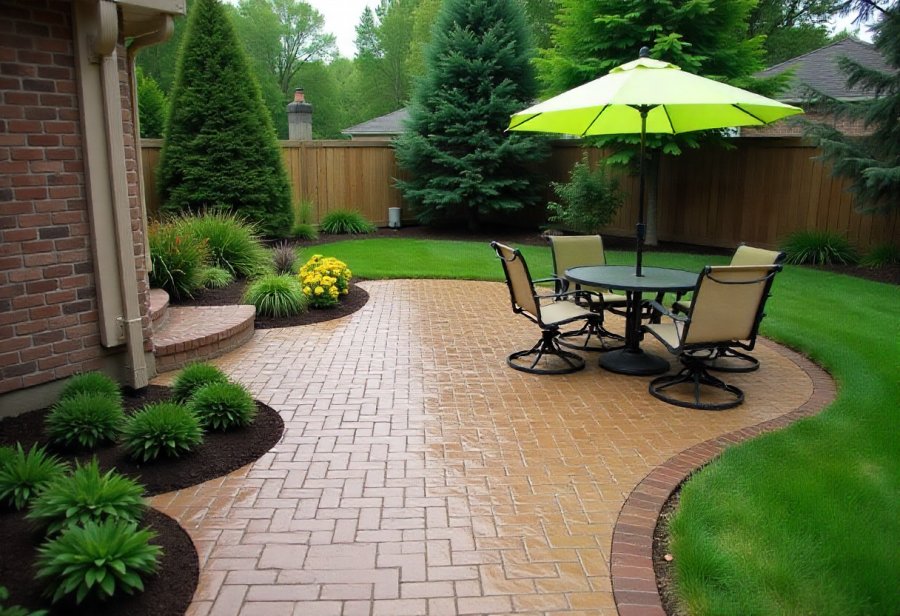
How Permeable Pavers Combat Urban Flooding and Restore Water Cycles
Urban flooding has become an increasingly urgent issue in many cities, especially during periods of heavy rain. Traditional paving materials like concrete and asphalt are durable but have a major drawback: they don’t allow water to pass through. When rain hits these impermeable surfaces, it quickly runs off, overwhelming stormwater systems and leading to water pooling on streets, sidewalks, and even inside buildings. This not only disrupts daily life but can cause property damage and traffic delays.
Permeable pavers offer a smarter alternative. Designed to let rainwater seep naturally into the ground, these surfaces help manage stormwater more effectively. Their porous structure—whether through gaps in interlocking blocks or specially crafted surfaces—creates pathways for water to flow through rather than accumulate. This reduces runoff significantly, giving water a chance to infiltrate the soil gradually and preventing urban flooding.
Beyond flood control, permeable pavers support healthier water cycles. As rainwater filters through these surfaces, pollutants like sediments, oils, and debris are naturally trapped, improving water quality before it reaches waterways or underground sources. This natural filtration reduces the burden on municipal treatment plants and helps protect local ecosystems. Additionally, promoting groundwater recharge through permeable surfaces sustains local water supplies, which is especially vital during droughts or dry spells.
The benefits extend further. By reducing surface runoff, permeable pavers ease the pressure on stormwater infrastructure, which is often overwhelmed during storms. This not only lowers the risk of street flooding but also decreases maintenance costs for city drainage systems. As urban areas grow and climate patterns become more unpredictable, permeable paving provides a practical, resilient solution that adapts to these challenges.
In recent years, awareness of sustainable urban development has boosted the popularity of permeable paving. These surfaces come in various styles, colors, and textures, allowing communities to enhance aesthetics while building resilience. They can transform functional spaces into inviting green areas, blending beauty with purpose and fostering stronger connections between residents and their environments.
As cities continue to face the realities of climate change and urban expansion, permeable pavers stand out as a vital component of adaptive infrastructure. They turn rainwater management into a visual and environmental asset, helping communities become more resilient, healthier, and better prepared for the storms ahead.
Environmental, Infrastructural, and Aesthetic Benefits of Permeable Paving
Using permeable pavers in urban areas offers a range of significant benefits that go beyond flood prevention. Environmentally, these surfaces play a crucial role in recharging groundwater and filtering pollutants from rainwater. As water passes through the porous structure, sediments, oils, and debris are naturally trapped, resulting in cleaner water that flows into waterways and underground sources. This natural filtration reduces the strain on municipal water treatment systems and supports healthier ecosystems.
Infrastructurally, permeable pavers help ease the burden on stormwater management systems. During heavy rainfalls, traditional surfaces cause rapid runoff that can overwhelm sewers and drainage networks, leading to street flooding and property damage. Permeable surfaces slow this flow, allowing water to infiltrate the ground gradually, which significantly lowers flood risks and decreases maintenance costs for city infrastructure. This approach makes urban environments more resilient to weather extremes.
Aesthetic appeal is another compelling advantage. Permeable pavers come in a variety of colors, textures, and shapes, offering versatile design options for both public and private spaces. They can be used in driveways, sidewalks, plazas, and landscaped areas, transforming functional surfaces into attractive elements that enhance neighborhood character. This visual versatility encourages communities to adopt greener, more inviting environments that promote a sense of place and community pride.
Moreover, permeable paving aligns with broader goals of sustainable urban development. It supports natural water cycles, promotes groundwater recharge, and reduces reliance on extensive drainage infrastructure. As cities seek to adapt to climate change, incorporating permeable surfaces becomes an essential part of resilient planning—helping to manage increasing storm intensities while maintaining urban vitality and beauty.
A relevant discussion appears on Mystic Whispers Blog in Madeline Anderson‘s Stop Flooding in Its Tracks—Act Now with Sustainable Pavement Solutions!.
While initial costs and maintenance considerations are factors to keep in mind, the long-term benefits often outweigh these challenges. Proper design and routine upkeep, such as regular cleaning to prevent pore clogging, ensure that permeable pavers continue to function effectively over time. Advances in materials and installation techniques are also making these solutions more accessible and durable, further encouraging widespread adoption.
Overall, the environmental, infrastructural, and aesthetic advantages of permeable pavers make them a smart choice for modern urban landscapes. They offer a sustainable way to manage stormwater, reduce flood risks, and create more beautiful, resilient communities—integrating function and form for a healthier future.
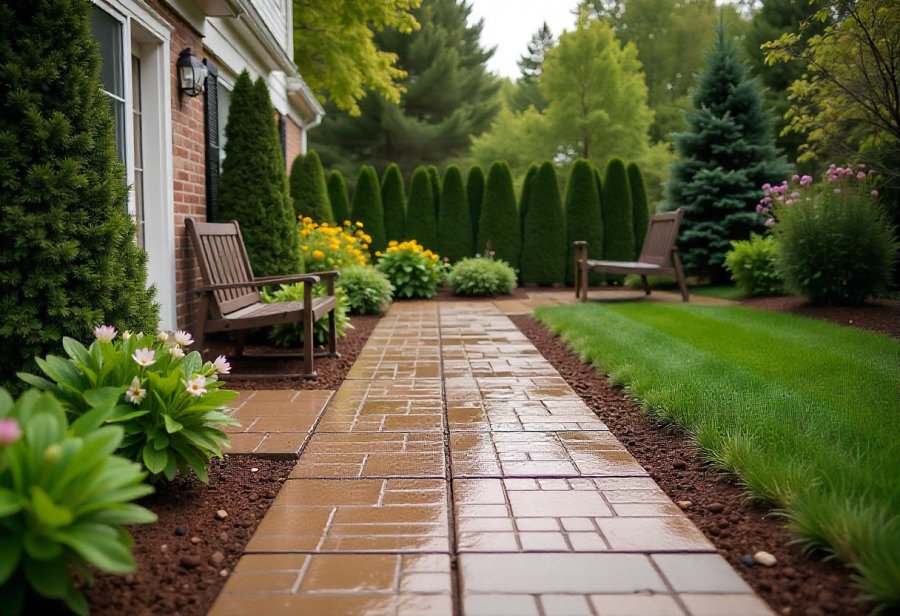
Versatile Applications and Types of Permeable Pavers in Modern Landscapes
Permeable pavers are increasingly being integrated into a variety of urban and suburban settings, demonstrating their versatility and practical benefits. Different types of permeable surfaces are tailored to meet specific needs, whether for durability, aesthetics, or efficient water management. For instance, grid pavers, often made from concrete or plastic, feature open cells that can be filled with gravel, soil, or grass. These are especially popular for driveways and parking lots, combining strength with a natural look, and their modular design makes installation and maintenance straightforward.
Porous concrete and pervious asphalt are also common choices, especially in sidewalks, bike paths, and roadways. These materials create seamless surfaces that allow rainwater to pass through easily, reducing runoff during heavy downpours. Their durability in high-traffic areas ensures they remain effective over time while promoting groundwater recharge and natural filtration. This makes them invaluable for urban environments prone to flooding and water accumulation.
Interlocking modular pavers, crafted from concrete or natural stone, offer a wide array of shapes, colors, and textures, providing flexibility in design. They are frequently used in public plazas, walkways, and landscaped areas where visual appeal is as important as stormwater management. Their ease of replacement and customization makes them a favorite for projects aiming to combine functionality with aesthetic appeal, turning public spaces into inviting, greener environments.
Sit Tight Now includes an in-depth article by Soren Long titled Don’t Risk Flood Damage—Install Permeable Pavements Now!.
Residential neighborhoods are also embracing permeable paving for driveways, walkways, and garden paths. These surfaces not only help manage rainwater but also add visual charm, increasing property value and curb appeal. Commercial developments and parks are adopting permeable solutions to reduce flood risks while creating attractive outdoor spaces that encourage community interaction and environmental consciousness.
Despite their many advantages, widespread adoption faces some hurdles. Initial costs can be higher than traditional materials, and proper maintenance is essential to keep pores clear of debris and sediments. Soil conditions, especially clay-heavy soils, may require additional engineering solutions to ensure permeability and stability. However, ongoing innovations in materials and installation techniques are steadily making permeable paving more accessible and cost-effective, encouraging broader use.
Advances in durable, clog-resistant materials are extending the lifespan of permeable pavers, even in demanding environments. Prefabricated units and streamlined installation methods help reduce labor costs and minimize disruptions, making it easier for municipalities and developers to incorporate these solutions into new projects. As these innovations grow, permeable paving’s role in sustainable urban design continues to expand.
Overall, the variety of permeable paver types and their expanding applications illustrate a shift toward greener, more resilient urban landscapes. They serve practical purposes—flood control, water filtration, and groundwater recharge—while also enhancing aesthetic and community value. As cities face increasing climate challenges, these adaptable surfaces are proving to be a smart, forward-thinking choice for sustainable development.
Strategic Integration of Permeable Pavers in Urban Planning for Resilient Cities
Incorporating permeable pavers into urban planning begins with a thorough assessment of the site. Planners, engineers, and community stakeholders need to evaluate soil conditions, existing drainage patterns, and projected load demands. This initial step helps identify the most suitable type of permeable surface—whether grid pavers, porous concrete, or modular systems—ensuring they perform effectively over time. Making informed choices early on sets a strong foundation for flood mitigation and water management goals.
Design details are crucial for a successful installation. Proper preparation involves creating a stable sub-base, typically with gravel or crushed stone, to facilitate water infiltration and prevent clogging. Ensuring this layer is well-compacted improves permeability and durability. Edging and bedding layers must be carefully placed to maintain stability and prevent shifting, which could compromise water flow and reduce the system’s effectiveness. Attention to these details ensures the longevity of the paving system.
For additional context, read Quin Wade‘s article Transforming Urban Flood Management with Permeable Pavers on Kaslo Crier.
Site preparation also includes grading for optimal drainage. Sloping surfaces and planned flow directions help maximize water absorption and prevent pooling, especially in areas with challenging terrain or compacted soils. Clear design strategies that promote natural water movement reduce the risk of surface flooding and enhance groundwater recharge. Properly designed slopes and flow paths make a significant difference in the system’s overall performance during storms.
Planning for maintenance from the outset is essential to sustain permeability. Regular cleaning to remove debris, sediments, and organic matter prevents pore clogging, which can diminish water flow. Establishing a routine maintenance schedule and educating the community about upkeep help preserve the system’s functionality over years of use. This proactive approach extends the lifespan of permeable surfaces and maintains their flood-mitigating benefits.
Engaging local stakeholders early fosters support and streamlines approval processes. Sharing successful case studies and demonstrating tangible benefits—such as reduced flood risk, improved water quality, and enhanced neighborhood aesthetics—builds community buy-in. When residents and businesses understand how permeable paving aligns with broader sustainability goals, they are more likely to advocate for its adoption and maintenance.
Cost considerations are a key part of implementation. While permeable pavers and specialized installation techniques may require a higher initial investment compared to traditional materials, the long-term savings in maintenance and flood damage prevention often justify the expense. Addressing soil challenges and selecting appropriate materials upfront prevents costly adjustments later, making the project more efficient and sustainable. Thoughtful planning ensures that permeable paving delivers maximum benefits with optimal resource use.
Transform Your Toronto Outdoor Space with Expert Landscaping Services
Discover the difference with Toronto Landscape & Design, your go-to destination for professional landscaping in Toronto. Our award-winning designers specialize in natural stone features, water gardens, irrigation systems, and retaining walls that beautifully enhance any outdoor environment. At Toronto Landscpe, we take every detail into account, ensuring customized solutions that reflect your vision and withstand the test of time. Whether you’re revamping your backyard or creating a stunning garden retreat, our team is dedicated to delivering exceptional results. Contact us at https://TorontoLandscapeDesign.com or call 1.416.644.0499 to elevate your landscape with expert craftsmanship and innovative design.
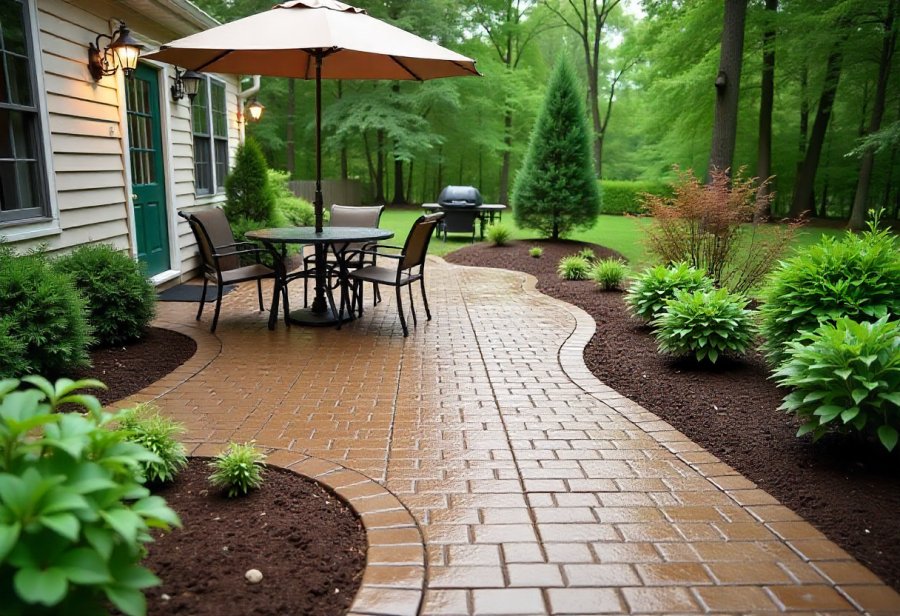
Innovations and Future Trends Shaping the Next Generation of Permeable Paving Solutions
Emerging technologies are reshaping the future of permeable paving, making these solutions more durable, efficient, and adaptable. Advances in material science are producing pavers that resist clogging, withstand heavy traffic, and perform reliably over time in challenging environments. These innovations ensure that permeable surfaces can meet the demands of busy urban settings while maintaining their flood-mitigating benefits. Simultaneously, smart systems equipped with sensors are beginning to monitor water flow, infiltration rates, and system health in real time. This data-driven approach allows city managers to address issues proactively, reducing maintenance costs and ensuring optimal performance during storms.
Modular design and installation techniques are evolving to make permeable paving faster, more affordable, and less disruptive. Prefabricated units and quick-installation methods streamline deployment, minimizing construction time and community impact. As a result, more municipalities can incorporate green infrastructure without the prohibitive upfront costs that once limited adoption. These advancements support scalable solutions that can be integrated into both new developments and retrofit projects, broadening the reach of permeable paving.
Policy shifts and planning tools further propel the adoption of permeable surfaces. Many municipalities are updating codes to encourage or mandate green infrastructure, aligning urban planning with resilience and sustainability goals. Using environmental modeling and geographic information systems (GIS), planners can customize designs based on local conditions—such as rainfall patterns and soil types—maximizing effectiveness and longevity. This targeted approach ensures that permeable paving systems deliver their flood-control benefits where they are needed most.
Innovation is also driven by the demand for eco-friendly, low-carbon solutions. Researchers are developing new composite materials that are both environmentally sustainable and highly durable. Integrated sensor networks provide real-time insights into system performance, enabling quick responses to clogging or saturation issues. These technologies foster smarter maintenance routines and facilitate adaptive management, helping cities stay ahead of climate change impacts and urban growth pressures.
Looking ahead, the integration of these cutting-edge technologies promises a future where permeable paving becomes a standard feature in climate-resilient cities. As innovations continue to reduce costs and improve performance, permeable surfaces will play an increasingly central role in sustainable urban design. They will help communities better manage stormwater, reduce flooding risks, and create healthier, more resilient environments for generations to come.
