The Ford Mustang stands as a legendary symbol of American muscle, blending raw power with cultural significance. Since its debut in the 1960s, it has embodied freedom, rebellion, and innovation, appealing across generations with its iconic design and performance. But what truly keeps the Mustang relevant today? Is it just the roaring engine and timeless aesthetics, or the deep emotional connection it fosters? As Ford evolves the model with modern technology, including hybrid and electric options, questions arise about maintaining its rebellious spirit while embracing sustainability. Can this icon of speed and individuality adapt without losing its core identity? The Mustang’s story is one of balancing tradition with innovation—an enduring testament to American ingenuity. Its influence extends beyond the road into popular culture, inspiring communities and challenging automotive standards. As the future approaches, the Mustang’s challenge remains: how to preserve its legendary legacy in a rapidly changing world?
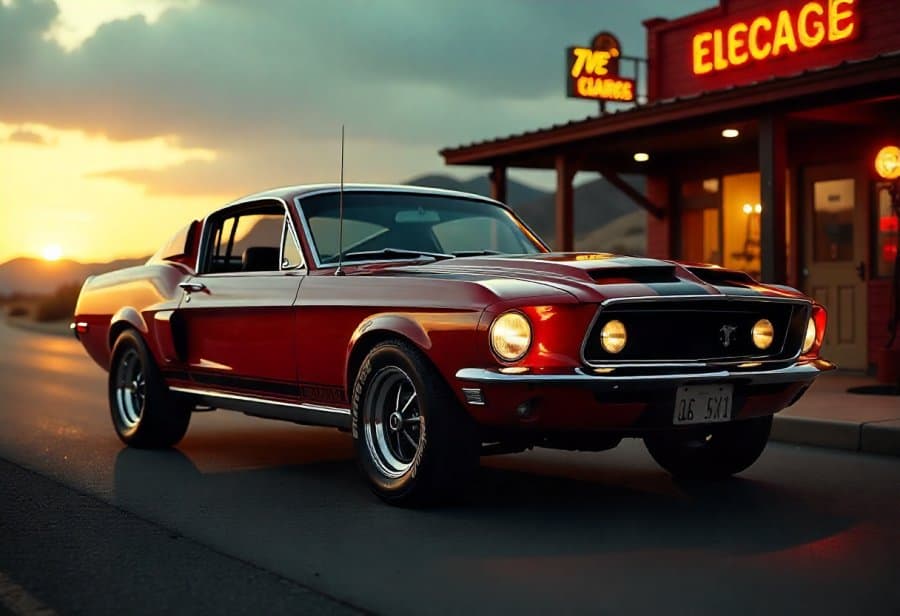
Unveiling the Mustang Legacy: An Icon of American Freedom and Rebellion
The Ford Mustang is more than just a car; it’s a symbol woven into the very fabric of American culture. Since its debut in the 1960s, the Mustang has come to embody freedom, rebellion, and the thrill of adventure. Its bold, distinctive design and impressive performance quickly set it apart from other vehicles, transforming it into an icon that resonates across generations. The Mustang’s image extends beyond the road—it’s a cultural phenomenon representing American ingenuity and individualism.
Born during the muscle car era, the Mustang was created to be accessible, sporty, and stylish. It was designed to appeal to young drivers eager to express independence and seek excitement behind the wheel. With its signature long hood and short rear deck, the car became a visual shorthand for speed and attitude. More than a mode of transportation, it became a statement of identity and rebellion, capturing the spirit of a nation in motion.
What truly cements the Mustang’s legendary status is how it blends innovative design, cultural relevance, and emotional appeal into a single package. It evokes nostalgia while feeling modern, connecting past and present seamlessly. Its enduring popularity is rooted in its versatility—offering accessible performance and a sense of freedom that appeals to both seasoned enthusiasts and new drivers alike. Whether cruising along coastal highways or tearing up a race track, the Mustang continues to symbolize the unbridled joy of the open road.
Throughout its history, the Mustang has evolved without losing sight of its roots. From the classic models of the 1960s to contemporary iterations, each generation carries forward the core ideas of rebellion and adventure. Design elements like the signature grille, racing stripes, and aerodynamic silhouette remain instantly recognizable. These cues ensure that the Mustang’s legacy persists, connecting generations through design while embracing modern technology.
Today, the Mustang’s influence extends beyond nostalgia. It’s a symbol of timeless American muscle that continues to inspire new drivers and car lovers worldwide. By balancing tradition with innovation, it remains relevant in a rapidly changing world. Whether through the roar of a turbocharged engine or the sleek lines that pay homage to its storied past, the Mustang embodies the spirit of freedom and excitement—an enduring icon that keeps inspiring generations to chase the thrill of the open road.
Foundations of Power: The Development and Core Features of the Mustang
The Ford Mustang made its debut in 1964, marking a pivotal moment in American muscle car history. Its development was driven by a clear goal: create a sporty, stylish vehicle that was affordable and accessible to everyday drivers, not just high-performance enthusiasts. This approach set the tone for what would become an enduring icon, blending performance with practicality and establishing a new standard in the muscle car segment. Its sleek, aerodynamic profile, characterized by a long hood and short rear deck, instantly became recognizable and set the visual language for American performance cars.
Under the hood, early Mustangs packed powerful V8 engines capable of impressive horsepower, appealing to those craving raw power and excitement. But the appeal extended beyond engine specs. Every detail, from the signature galloping pony badge on the grille to racing stripes and muscular stance, underscored its performance heritage and sporty roots. These design elements weren’t just aesthetic—they became symbols of speed, attitude, and rebellion, influencing the look of countless future muscle cars.
Throughout its evolution, the Mustang underwent numerous redesigns that refined its core identity while incorporating new technology and styling cues. The 1969 model, for example, introduced the fastback silhouette, which added a sleeker, more aggressive look. Later revivals, especially in the early 2000s, paid homage to its roots with retro-inspired styling, bringing modern features like fuel injection and improved aerodynamics. Each update kept the Mustang relevant in a competitive market, appealing to nostalgic fans and new drivers alike.
The true strength of the Mustang lies in its ability to evolve without abandoning its essence. It has consistently maintained its spirit—bold, fast, rebellious—while embracing technological advances that improve safety, handling, and comfort. Special editions like the Shelby GT350 and GT500 pushed performance limits further, cementing its reputation as a performance powerhouse and inspiring automotive design worldwide. This ongoing innovation has preserved its status as an iconic American muscle car, shaping the design and performance standards of the industry.
More than just a vehicle, the Mustang played a vital role in popularizing the muscle car movement during the 1960s. Its combination of style, affordability, and performance made it accessible to a broad audience, especially young drivers eager to express independence. Its influence extended beyond the U.S., inspiring automotive design across the globe and embedding itself into the cultural fabric as a symbol of speed, rebellion, and freedom. The Mustang’s development story is a testament to balancing tradition with innovation, ensuring its legacy endures for generations to come.
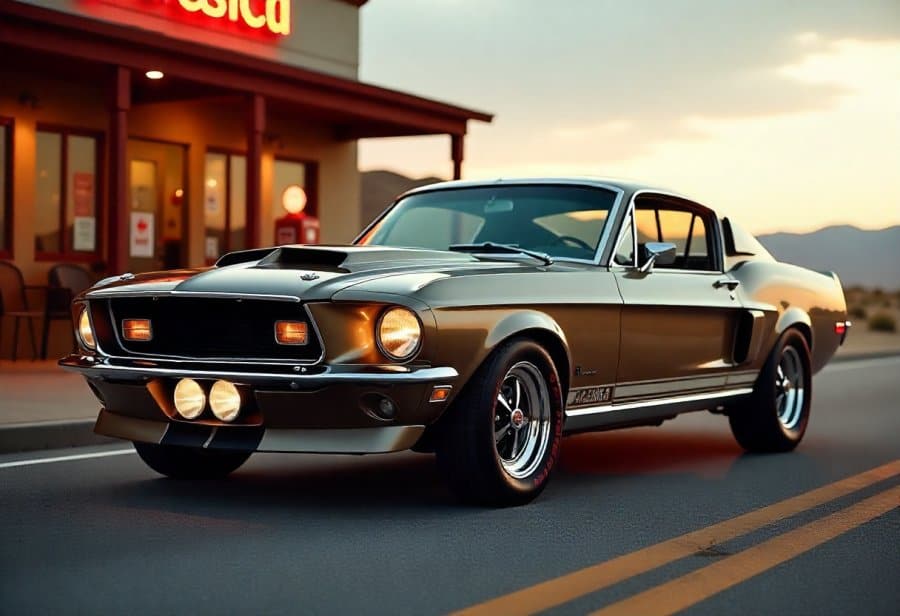
Cultural Reckoning: How the Mustang Became an American Icon and Global Phenomenon
The Ford Mustang has transcended its role as a mere performance car to become a true icon of American culture. Its appearance in movies, television, and music has helped cement its status as a symbol of freedom, rebellion, and individualism. From the high-speed chases in “Bullitt” to the sleek silhouette in modern blockbusters, the Mustang’s distinctive design and roaring engine evoke a sense of adventure that resonates around the world. Enthusiasts everywhere admire its bold lines and exhilarating performance, turning it into a cultural phenomenon that embodies the spirit of American muscle.
Beyond its on-screen presence, the Mustang has fostered a passionate community of fans and car lovers. Car clubs, racing events, and social media groups keep its legacy alive, celebrating its rich history while pushing the boundaries with custom modifications and modern innovations. These communities breathe new life into the model, blending nostalgia with contemporary performance upgrades. Their enthusiasm ensures the Mustang remains relevant and inspiring, attracting new generations eager to experience its thrill.
The design details—its long hood, aggressive stance, and iconic galloping pony badge—are instantly recognizable symbols of speed and rebellion. Visual elements like racing stripes, hood scoops, and sleek fastback shapes have become shorthand for performance and style. These features not only define the Mustang’s aesthetic but also influence automotive design worldwide, inspiring countless models that seek to capture its essence. Such design cues keep the Mustang relevant as a cultural and stylistic benchmark, bridging past and present seamlessly.
Throughout its history, the Mustang has introduced legendary models that highlight its performance and rebellious spirit. From the original 1964 classic to the high-performance Shelby variants, each iteration reflects innovation rooted in tradition. Special editions like the Boss and GT350 showcase the car’s muscle car origins, pushing limits and inspiring enthusiasts to chase speed and power. These models reinforce the Mustang’s reputation as a performance icon and a symbol of American automotive ingenuity.
More than just a symbol of speed, the Mustang embodies an attitude—one that champions freedom, individuality, and defiance. Its enduring presence in popular culture has helped define what it means to be an American muscle car. This emotional connection fuels its relevance today, inspiring not only car lovers but entire generations to dream big and drive boldly. The Mustang’s influence extends beyond performance, shaping perceptions of what a car can represent.
While some see the Mustang primarily as a nostalgic icon, it remains a dynamic force of innovation. Its ongoing evolution, including electric and hybrid models, demonstrates a commitment to adapting without losing its rebellious heart. By balancing tradition with modern technology, the Mustang continues to inspire new visions of performance and freedom. Its cultural significance is built on this ability to evolve, ensuring that the legend of the Mustang endures for generations to come.
Shaping the Future: The Mustang’s Impact on Design, Marketing, and Enthusiast Communities
The legacy of the Mustang continues to shape modern automotive design in profound ways. Its bold styling cues—such as the long hood, wide stance, and distinctive grille—set a visual standard that many performance cars aim to emulate today. Automakers often reference these elements when developing new models, knowing that evoking the Mustang’s iconic look instantly connects with consumers’ desire for performance and heritage. This design language isn’t just about aesthetics; it’s a strategic tool that taps into deep-seated feelings of power, freedom, and tradition, making every vehicle that echoes these cues instantly recognizable and emotionally resonant.
Marketing strategies also heavily leverage the Mustang’s storied history. Automakers craft campaigns that emphasize themes of rebellion, adventure, and raw power—core aspects of the Mustang legacy. These narratives resonate across diverse audiences, from seasoned enthusiasts to first-time buyers, forging strong emotional bonds with the brand. By positioning the Mustang as more than just a car but as a symbol of identity and independence, companies ensure its relevance in a competitive landscape that values authenticity and emotional appeal. This approach keeps the legend alive and thriving in the minds of new generations.
Enthusiast communities play a vital role in preserving and expanding the Mustang’s influence. Car clubs, racing events, and social media platforms foster a sense of belonging rooted in shared passion. These groups celebrate the car’s rich history through restorations, modifications, and storytelling, continuously injecting new energy into its legacy. They also serve as testing grounds for innovation—enthusiasts experiment with electric conversions, performance upgrades, and modern features while respecting the car’s roots. This ongoing engagement ensures that the Mustang remains dynamic, relevant, and at the forefront of automotive culture.
Despite its legendary reputation, the Mustang faces new challenges as industry priorities shift toward sustainability. The move toward hybrid and electric models reflects a broader industry trend, prompting the brand to innovate without losing its core identity. The challenge lies in balancing the raw power and rebellious spirit that define the car with modern demands for efficiency and environmental responsibility. By embracing advanced propulsion technologies, Ford aims to maintain the Mustang’s performance power while aligning with the future of mobility, ensuring its legacy endures beyond the era of traditional muscle cars.
Ultimately, the Mustang’s influence extends well beyond its design and performance. It has become a cultural touchstone that shapes how cars are marketed, designed, and celebrated worldwide. Its deep-rooted community of fans and collectors keeps its story vibrant and evolving, blending nostalgia with progress. By continuously adapting to new technologies and cultural shifts, the Mustang exemplifies a legacy rooted in innovation, rebellion, and American ingenuity—an icon that will drive forward into the future while honoring its past.
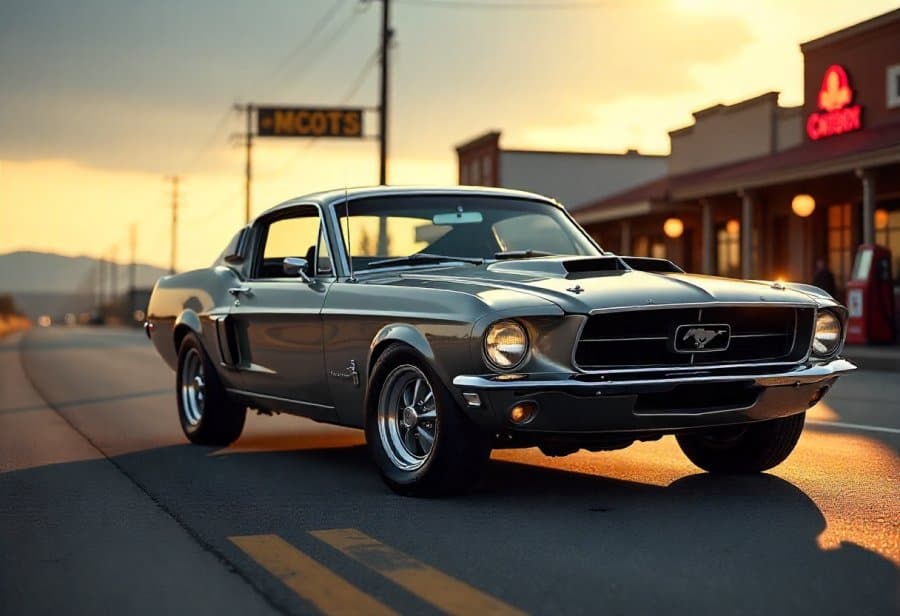
Driving Into Tomorrow: The Future of the Mustang and American Muscle Cars
The future of the Ford Mustang and American muscle cars is poised to be as dynamic as their storied past. As automotive technology advances rapidly, especially with the push toward electrification, the Mustang is evolving to include hybrid and fully electric models that aim to preserve its legendary performance. These innovations are crucial for maintaining the car’s status as a symbol of power and excitement while meeting modern environmental standards. Balancing tradition with progress, Ford continues to adapt, ensuring the Mustang remains relevant in a world that demands sustainability without losing its rebellious spirit.
However, this transition presents a challenge: how to retain the raw power and distinctive character that made the Mustang an icon. Enthusiasts often worry that moving away from traditional V8 engines might dilute its essence. Meanwhile, broader market trends favor SUVs and crossovers, which threaten the muscle car segment’s dominance. Despite these hurdles, Ford’s commitment to innovation—by developing hybrid and electric variants—demonstrates a clear vision to keep the Mustang at the forefront of performance while embracing a more sustainable future.
Technology will play a central role in shaping the next chapter of the Mustang’s legacy. Features like electric drivetrains, autonomous capabilities, and advanced connectivity will appeal to new generations of drivers seeking both speed and modern convenience. These advancements have the potential to elevate the Mustang from a classic symbol of American muscle to a leader in sustainable performance. The key will be preserving its core identity—freedom, power, and rebellion—while integrating cutting-edge innovations that meet evolving expectations.
Looking ahead, the challenge is to reimagine the muscle car for a new era without losing its soul. The ongoing evolution involves not just technological upgrades but also a cultural shift—where performance and environmental responsibility coexist. Ford’s ability to blend this duality will determine whether the Mustang continues to inspire and thrill future audiences as it has for decades. Its story is far from over; instead, it is entering a phase where tradition and innovation work hand in hand to redefine what an American icon can be.
Supporting this transition is a broader vision of inspiring new ideas around speed, design, and community. The Mustang’s legacy is rooted in pushing boundaries—challenging conventions and encouraging a spirit of rebellion that remains relevant today. As it moves into this new chapter, the car’s enduring appeal will depend on how well it adapts while staying true to its roots. If Ford navigates this balance successfully, the Mustang will continue to symbolize American ingenuity and freedom for generations to come, driving forward into a future that honors its legendary past.