Deciding between a small, family-run garage and a large nationwide chain can significantly impact your vehicle’s long-term health and your peace of mind. Small garages often excel in personalized service, fostering relationships that lead to accurate diagnostics and tailored care—especially for older or classic cars. Conversely, large chains offer consistency, advanced diagnostic technology, and nationwide warranties, appealing to owners of newer, complex vehicles or frequent travelers. But which choice truly offers better value and reliability? The answer depends on your priorities: trust and long-term relationship, technological reassurance, or quick, predictable service. While local shops may provide more affordable, flexible options and a personal touch, large chains emphasize efficiency, standardization, and technological advancements. Both have their strengths, yet understanding what matters most—be it honest relationships, innovative diagnostics, or convenience—can help you make the best decision for your vehicle’s future. Are you ready to choose the right partner for your car’s longevity?

Deciding Your Car’s Future: Small Garage Trust or Big Chain Confidence
Deciding where to take your car for repairs or routine maintenance can feel overwhelming. Do you trust a small, family-run garage down the street, or do you opt for a large, recognizable chain with multiple locations? This choice isn’t just about convenience; it can significantly influence your vehicle’s long-term health and your peace of mind.
Small garages often pride themselves on personal service and community trust. They rely heavily on reputation and repeat business, which motivates mechanics to go the extra mile. When you build a relationship with a local mechanic, they get to know your car’s history, quirks, and specific needs—often leading to more accurate diagnostics and tailored solutions.
Larger chains, on the other hand, focus on consistency and speed. They invest in high-tech diagnostic tools and manufacturer-approved parts, aiming to deliver reliable service regardless of location. Their standardized procedures mean you can expect a predictable experience, which is especially helpful if you travel frequently or own a newer, complex vehicle.
The decision between these options isn’t always straightforward. Small shops may offer more competitive prices and flexible solutions, but they might lack access to the latest technology or specialized training. Big chains provide advanced diagnostics and nationwide warranties, offering peace of mind for those who value technological assurance and consistency across multiple locations.
Both types of garages come with their advantages and challenges. The key is understanding what matters most to you—whether it’s a trusted relationship, a quick fix, or cutting-edge technology. Your choice can shape your vehicle’s performance, longevity, and your overall satisfaction as a car owner.
Understanding the Divide: Small Family Shops Versus Large Service Chains
Small family-run garages are typically small, independent businesses rooted deeply in their local communities. They usually have just a handful of mechanics and staff, relying heavily on word-of-mouth reputation and long-term customer relationships. Because their overhead costs are lower, they can often offer more competitive pricing and greater flexibility in how they approach repairs. Customers tend to appreciate dealing directly with mechanics who know their vehicle’s history, which leads to more accurate diagnostics and personalized advice.
In contrast, large chain service centers are part of extensive networks with multiple locations across regions or even nationwide. Their focus is on standardization—delivering consistent service regardless of which branch you visit. These chains invest heavily in state-of-the-art diagnostic tools, manufacturer-approved parts, and ongoing technician training, making them well-equipped to handle complex repairs efficiently. Their uniform procedures and protocols aim to ensure a predictable experience, which appeals especially to owners of newer, technologically advanced vehicles.
Over the years, both small garages and large chains have adapted to the rapid technological changes in the automotive industry. Independent shops, once rooted mainly in basic tools and personal expertise, have increasingly adopted digital diagnostics and electronic records to improve accuracy and efficiency. Meanwhile, large chains leverage their economies of scale to stay at the forefront of automotive technology, frequently upgrading their equipment and training staff to meet new standards.
The organizational structure of each type of garage influences their approach to customer service. Small, local shops often foster close relationships, with mechanics who understand their clients and their vehicles well. This familiarity can lead to more precise diagnostics and longer-lasting repairs. On the other hand, large chains prioritize speed and efficiency, often processing high volumes of cars daily, which can sometimes sacrifice that personal touch but ensures quick turnaround times.
Reputation plays a different role for each. Small garages rely heavily on community trust and word-of-mouth recommendations, driving them to maintain high standards of honesty and quality. Large chains build their reputation on reliability, warranties, and convenience, especially for customers who value the assurance of nationwide service options. Both models have unique strengths that cater to different needs and preferences.
Understanding these differences helps vehicle owners make smarter choices. While small garages often excel in personalized care and cost flexibility, large chains offer technological advantages and consistent service across multiple locations. Recognizing what matters most—whether it’s a trusted relationship, advanced diagnostics, or nationwide coverage—can guide you toward the right fit for maintaining your car’s health long-term.
Experience Top-Quality Automotive Services in Thornhill, Ontario
For residents in Thornhill, Ontario seeking reliable and comprehensive auto care, Beck Automotive Services offers unmatched expertise in customer-focused automotive care. Their extensive range of services includes auto repair, oil changes, brake repair, vehicle maintenance, car diagnostics, tire services, engine repair, and transmission service. Additionally, Beck Auto specializes in used car sales, providing customers with quality pre-owned vehicles. Whether you need routine maintenance or major repairs, their dedicated team ensures your vehicle stays in optimal condition. Contact Beck Automotive Services via email at [email protected] or call (416) 222-6583 to schedule an appointment and experience exceptional automotive care tailored to your needs.
Today’s Automotive Repair Landscape: Personal Touch or Technological Powerhouse
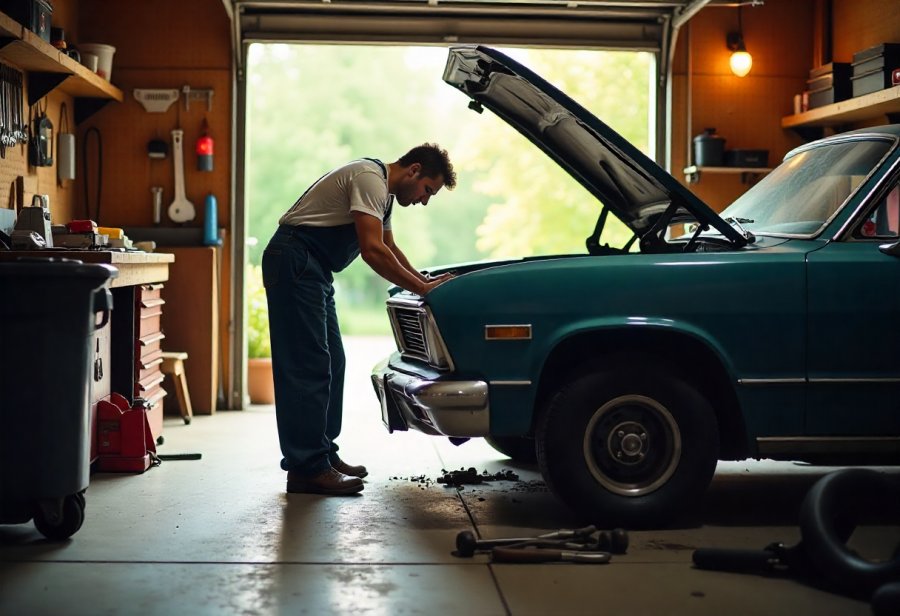
Today’s automotive repair landscape offers more options than ever, shaping how drivers approach vehicle maintenance. Many still prefer the personal touch of a small, local garage for routine services like oil changes or tire rotations. These shops often foster close relationships, where mechanics know your vehicle’s history and quirks, leading to honest advice and precise diagnostics. This personalized approach appeals especially to owners of older cars or those who value trust and familiarity in their service experience.
Meanwhile, large chains continue to attract customers with their promise of consistency and convenience. With multiple locations across regions, they deliver a uniform service experience, making it easy for busy drivers or frequent travelers to get repairs done wherever they are. These shops invest heavily in advanced diagnostic tools and manufacturer-certified training, allowing them to handle complex issues quickly and reliably. Their standardized procedures help ensure a predictable outcome, providing reassurance for owners of newer or more technologically advanced vehicles.
Technology plays a central role in this shift. Independent shops are increasingly adopting digital diagnostics and electronic service records, which improve accuracy and efficiency. Big chains leverage their scale to stay at the forefront of automotive tech, often upgrading their equipment and training staff to meet new standards. This technological edge typically results in faster service and more precise repairs, especially for electronic and computerized systems in modern cars.
Customer expectations have evolved as well. Drivers now seek transparency, quick turnaround times, and clear communication. Many garages, regardless of size, are responding with online booking, real-time updates, and upfront pricing. Building a relationship with a mechanic who understands your vehicle’s history can lead to better diagnostics and tailored advice, whether you choose a neighborhood shop or a nationwide chain.
Timing and urgency influence how owners decide where to go. During peak seasons or emergencies, large chains with multiple locations can often manage urgent repairs faster due to their extensive resources. Smaller shops, while more personal, may have limited capacity and longer wait times during busy periods. Recognizing how each handles scheduling and emergency repairs helps drivers plan better and avoid delays when their vehicle needs immediate attention.
In essence, the current landscape reflects a balance between personalized service and technological assurance. Both small garages and large chains have unique strengths that cater to different priorities. Understanding these options allows you to make informed decisions, ensuring your vehicle stays healthy and reliable for miles to come.
Cost Considerations: Value, Reliability, and Long-Term Savings
When comparing costs, small family-run garages often have the edge, thanks to their lower overhead expenses. Without the hefty marketing budgets or franchise fees that big chains shoulder, these local shops can usually offer more straightforward, transparent pricing. They tend to give honest estimates upfront, with fewer surprises or hidden charges, especially for routine services like oil changes, brake repairs, or tire rotations. This flexibility often means you can discuss options and negotiate terms, making the process feel more personal and tailored to your budget.
Large chains, however, typically come with a higher price tag. Their branded name, extensive training programs, and manufacturer-approved parts add to the cost. Yet, they often include benefits like fixed pricing, warranties, and nationwide service guarantees that can save you money in the long run. For newer vehicles or complex repairs, paying a bit more upfront might be worthwhile, since their advanced diagnostic tools and standardized procedures often lead to more accurate repairs and fewer repeat visits.
Beyond initial costs, the overall value each type of garage provides plays a crucial role. Small shops often deliver longer-lasting repairs because they take the time to understand your car’s history and use quality parts. Their personalized service can also catch small issues early, preventing costly breakdowns down the line. Conversely, larger chains emphasize speed and efficiency, making them ideal for quick fixes, especially if you have a busy schedule or own a newer vehicle with sophisticated electronics.
Trust and ongoing relationships influence long-term value. When you build rapport with a local mechanic, they’re more likely to spot potential problems early and recommend preventive care, saving money over time. On the other hand, the reassurance of a nationwide warranty from a big chain can be a significant advantage if you travel frequently or move often, providing peace of mind that your repairs will be honored regardless of location.
Choosing between the two ultimately depends on what you prioritize: immediate affordability and personalized care or reliability and technological assurance. Both can serve your vehicle well if selected wisely. Investing a little more for the right service can keep your car healthier longer, reduce future costs, and give you confidence every time you turn the key.
Real-World Impact: How Garage Choices Shape Vehicle Longevity and Satisfaction
Choosing the right garage can make a real difference in your vehicle’s health and your overall satisfaction. Many drivers who stick with trusted small shops often share stories of how personalized attention helped them catch minor issues early. For example, a driver noticed a slight engine hesitation but took her car to her local mechanic, who knew her vehicle’s history. Because of their familiarity, they identified a small sensor glitch before it escalated into a costly repair, saving her hundreds of dollars and avoiding a breakdown. These relationships foster trust and often lead to more accurate diagnostics over time.
On the flip side, owners of newer or more complex vehicles tend to feel more confident with large chains. These centers invest in advanced diagnostic equipment that can quickly identify issues in electronic systems. A friend with a new hybrid found that a chain garage’s high-tech tools detected a subtle wiring fault that would have been hard to diagnose otherwise. The nationwide warranty gave her peace of mind, knowing repairs would be covered no matter where she traveled, boosting her confidence in their service.
Building a relationship with a local mechanic often means your car receives more attentive, long-term care. Mechanics who know your vehicle’s quirks can spot wear patterns early and recommend preventive measures, saving money and preventing breakdowns. Conversely, big chains focus on speed and efficiency, processing high volumes of cars daily. While this can mean faster service, it might come at the expense of that personal touch that catches small problems before they become costly.
Practical experiences show that trust and familiarity can lead to better vehicle health. When mechanics understand your car’s history, they’re more likely to suggest repairs or maintenance that prolong its life. For instance, a local shop might recommend regular fluid changes or early replacements for parts showing signs of wear—simple steps that keep your vehicle running smoothly longer.
Emergency situations reveal the strengths of each option. During peak seasons or urgent repairs, large chains often handle urgent needs faster thanks to their extensive resources and multiple locations. Smaller shops, while more personal, may have longer wait times or limited capacity during busy periods. Knowing how each manages scheduling and emergencies helps you plan better and avoid unnecessary delays.
In the end, choosing between a small garage and a large chain depends on what you value most—whether it’s a trusted relationship, technological reassurance, or quick, reliable service. Both can keep your vehicle in top shape if you pick the right fit for your needs. The key is to find a mechanic who offers honesty, skill, and consistent quality, ensuring your car stays healthy mile after mile.
Key Factors to Guide Your Garage Decision: Trust, Skills, and Long-Term Relationships
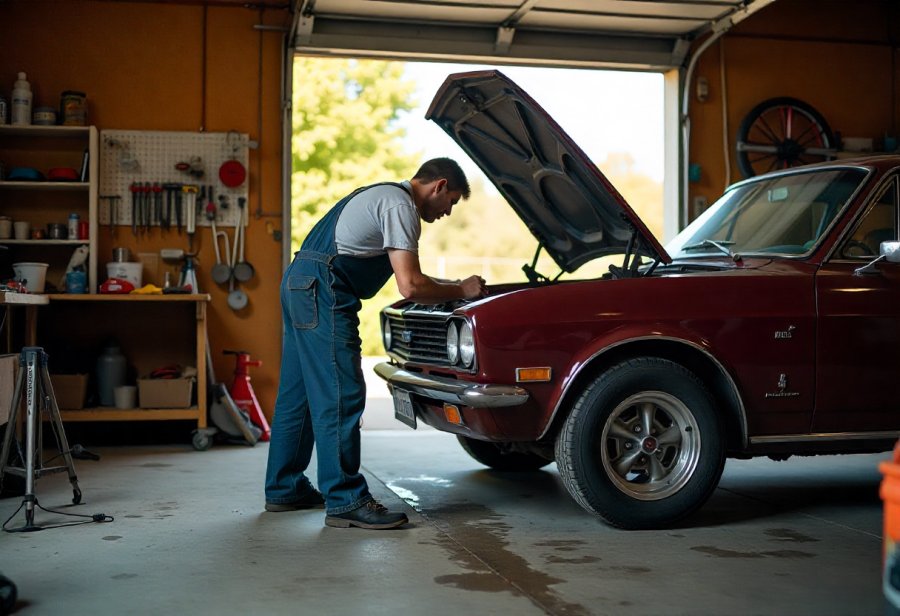
Trust is the foundation of choosing any repair shop. Look for a garage that values honesty, providing clear, detailed estimates without pushing unnecessary services. Mechanics who are upfront about costs and explanations build confidence and foster a sense of partnership. Reading reviews and seeking recommendations can help gauge their integrity before making your decision.
Technician skill and certification are equally vital. Experienced, certified mechanics stay current with the latest vehicle technologies and repair techniques. Whether at a small shop or a large chain, ask about technician credentials and ongoing training. Skilled staff make a real difference in diagnosing issues accurately and ensuring durable repairs, saving you money and stress over time.
Accessibility and communication should not be overlooked. A garage that responds promptly, offers flexible scheduling, and keeps you informed throughout the repair process enhances your experience. Building a relationship with a mechanic who understands your vehicle’s history can lead to better diagnostics and personalized advice, whether you prefer a neighborhood shop or a nationwide chain.
Price transparency is crucial. Choose a garage that provides written, itemized estimates covering parts, labor, diagnostics, and warranties. Comparing these details helps you avoid surprises and ensures you’re getting fair value. Remember, the lowest price isn’t always the best; quality, longevity, and trustworthiness matter more in the long run.
Consider how the garage’s structure aligns with your needs. A local shop with a good reputation and personal touch is ideal for ongoing care and preventive maintenance. If you frequently travel or own a newer vehicle, a large chain with nationwide warranties offers peace of mind and consistent service regardless of location.
Think about the long-term relationship. A mechanic who understands your car’s quirks and history can catch small issues early, preventing costly breakdowns later. Conversely, the efficiency and standardized processes of a big chain can be advantageous for quick fixes or when you need reliable, predictable service on tight schedules.
Finally, let your priorities guide your choice. Whether it’s trust, convenience, technology, or cost, selecting a garage that aligns with your values ensures your vehicle receives the care it deserves. A good mechanic—local or national—should make you feel confident your car is in capable hands every mile of the way.