In an era where traditional locks and alarms no longer suffice, advanced, integrated home security systems are transforming safety for modern families. These solutions combine high-definition surveillance, smart sensors, and remote access controls to create a seamless, proactive network of protection. But does technology truly guarantee peace of mind amid evolving threats? As homes become smarter and more interconnected, cybersecurity concerns grow, challenging homeowners to balance convenience with safety. Experts emphasize the importance of tailored, well-maintained systems that work cohesively, providing instant alerts and remote control capabilities—yet vulnerabilities remain if not managed properly. Future advancements promise AI-driven defenses and smarter automation, but they also introduce new risks. Can innovative technology truly make homes safer, or will the complexities of digital security outweigh the benefits? As the landscape shifts, one thing remains clear: protecting your home today demands both cutting-edge tools and vigilant, ongoing management.
Transforming Home Security: From Locks to Intelligent, Connected Systems
Home security has transformed dramatically over the years, shifting from simple locks and alarms to sophisticated, integrated systems that fit seamlessly into modern lifestyles. Gone are the days when a basic deadbolt was enough to deter intruders. Today’s households demand solutions that do more than just keep burglars at bay—they need systems capable of adapting to today’s unpredictable threats. This evolution is driven by advances in technology, which have turned security into a connected, real-time network that offers homeowners immediate control and visibility from anywhere.
Traditional security measures, like basic alarms and physical locks, no longer cut it against more resourceful intruders. They often lack the remote access or real-time alerts that are now considered essential for effective protection. In contrast, integrated security solutions combine cameras, sensors, alarms, and access controls into a unified system, creating a layered defense that’s both smarter and more reliable. These setups allow homeowners to monitor their property remotely, receive instant alerts, and respond quickly to any suspicious activity, all through their smartphones or tablets.
The importance of remote control and real-time monitoring cannot be overstated. Being able to check live footage, lock doors remotely, or turn on exterior lights from anywhere turns a passive security system into an active safety network. This level of connectivity provides peace of mind, especially for busy families or those frequently away from home. It also acts as a powerful deterrent—knowing that their property is constantly monitored makes would-be intruders think twice.
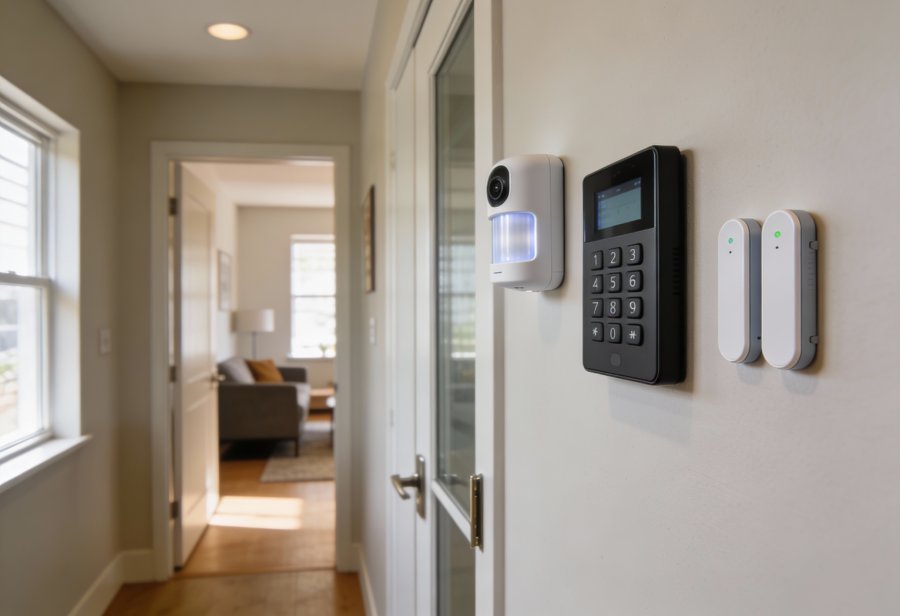
At the heart of this shift are the core components of modern home security: high-definition cameras, smart sensors, and advanced access controls. When these elements work together seamlessly, they create a comprehensive safety environment. Whether it’s motion-triggered alerts, remote unlocking of doors, or real-time video feeds, integrated systems empower homeowners to stay in control and act swiftly if needed. This combination of smart technology and user-friendly management transforms home security from reactive to proactive.
This transition to smarter, integrated security solutions reflects a broader understanding of safety in today’s world. It’s no longer enough to rely solely on physical barriers—digital tools and real-time oversight are now vital. As threats continue to evolve, so too must our approach to protecting our homes. Embracing these advanced, connected systems is no longer optional but essential for ensuring the safety and peace of mind that modern families need in an unpredictable environment.
Core Elements of a Smart Home Security Network
Modern home security systems are built around a handful of essential components that, when integrated effectively, form a comprehensive safety network. Surveillance cameras are a cornerstone of these setups, offering real-time monitoring and serving as a clear deterrent to intruders. Today’s cameras deliver high-definition video, night vision, and motion detection, allowing homeowners to check their property remotely at any time through smartphones or computers. This instant access not only enhances security but also provides peace of mind, whether you’re at work, on vacation, or just running errands.
Alarms and sensors form the backbone of physical security. Door and window contacts detect unauthorized entry, while motion detectors alert you to activity inside or outside your home. Glassbreak sensors add an extra layer of protection by responding to the sound of shattering glass. When these devices work together, they create a layered defense that’s tough for intruders to bypass. Many modern systems are designed to trigger alarms immediately or notify professional monitoring services, ensuring swift responses to potential threats.
Smart access control devices are transforming how we manage entry. Keyless locks, controlled via smartphone apps or biometric scanners like fingerprint readers, allow homeowners to grant or revoke access remotely. This flexibility makes it easy to provide temporary permissions for visitors, delivery personnel, or service providers without handing over physical keys. These systems also enable detailed access logs, giving families better oversight of who enters and leaves their home.
The true power of these components lies in their ability to work together seamlessly. When integrated, a motion detected by a camera can trigger an alarm and send a real-time alert to your device. This interconnected approach simplifies management, as most systems can be controlled from a single app, providing a clear overview and quick response options. Proper integration ensures that each element enhances the others’ effectiveness, creating a resilient safety net tailored to your household’s needs.
For a related discussion, review Ophie Nelson‘s article Experience the Future of Smarter, Remote Home Security Today on Piccoli Blog.
Maintaining these systems is equally important. Regular updates and calibration of sensors help prevent false alarms and ensure reliable operation. Customizing alert zones and sensor sensitivities ensures responses are relevant, reducing unnecessary disturbances. When homeowners invest time in fine-tuning their setup, they turn a basic security system into a dependable safeguard that adapts to their unique environment.
While these core components significantly improve safety, they work best as part of a layered security strategy. Combining digital tools with physical measures—like sturdy locks, outdoor lighting, and neighborhood watch efforts—creates a comprehensive defense. This approach addresses both cyber vulnerabilities and physical threats, making homes more resilient against today’s evolving dangers.
In essence, these elements form the foundation of modern home security. When thoughtfully integrated and properly maintained, they provide a flexible, powerful system capable of adapting to changing threats. This combination of smart technology and traditional security practices offers homeowners confidence and peace of mind, knowing their homes are protected by a resilient, proactive safety network.
Secure Your Markham Property with F.I.S.T Security’s Expert Solutions
F.I.S.T Security is a trusted Canadian owned and operated business proudly serving the Markham Ontario community. With a strong reputation built on going the extra mile, FIST Security offers comprehensive security solutions including intruder detection, card access, CCTV, alarm monitoring, remote video monitoring, lighting, and environmental control. One of their key offerings is advanced intercom systems, designed to enhance property access management. Whether you need a new security setup or maintenance of existing systems, F.I.S.T Security’s team is committed to delivering exceptional service tailored to your needs. Contact them today at 416.755.4233 or email [email protected] to learn how they can safeguard your property with reliable, professional security solutions.
Real-World Success: Implementing and Managing Advanced Security Solutions
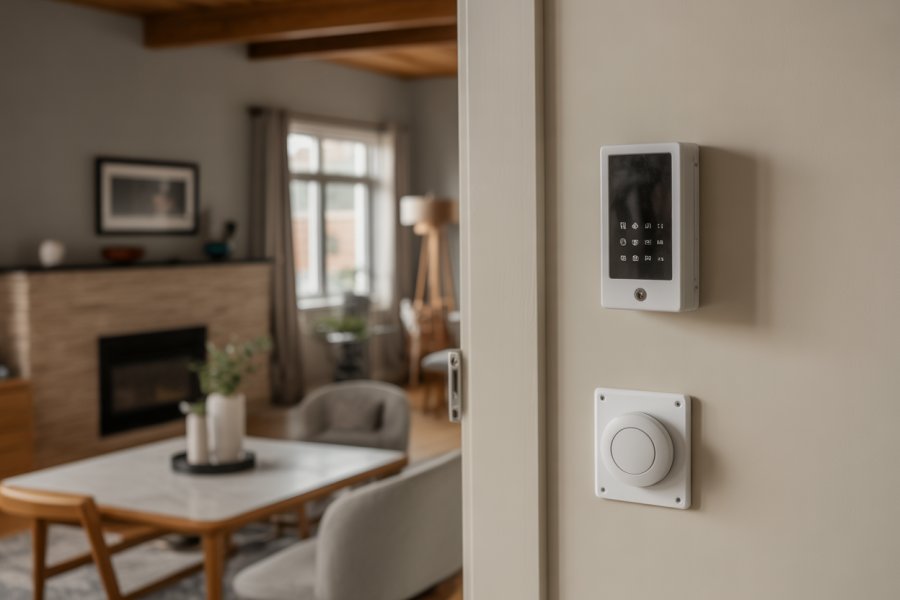
Modern security systems are designed for straightforward installation and intuitive use, making them accessible to most households. Many options are DIY-friendly, allowing homeowners to set up cameras, sensors, and control apps with minimal technical expertise. For those preferring professional help, reputable installation services ensure systems are integrated correctly and optimized for maximum coverage. Once in place, managing these systems is simple through dedicated smartphone apps, providing instant access to live footage, alerts, and remote control over locks and other devices.
In real-life situations, these solutions prove their worth by offering continuous monitoring and rapid response capabilities. For example, a family might check their outdoor camera during a workday and notice a suspicious individual approaching. With a few taps on their phone, they can trigger an alarm, lock doors remotely, or alert security professionals. Motion alerts further enhance safety by immediately notifying homeowners of unexpected activity, allowing quick action before situations escalate.
Experience the Future of Smarter, Remote Home Security Systems by Icarus Jackson, published on Little Ducky, You're the One!, provides additional context.
Remote control also simplifies managing access. Homeowners can grant temporary entry to delivery personnel or service providers without handing over physical keys. Monitoring who enters and leaves becomes effortless, especially for families with children or elderly members. When combined with automation features—like exterior lights turning on as someone approaches—these systems create a coordinated safety environment that’s both secure and convenient.
Proper setup and regular management are key to maximizing effectiveness. Firmware updates and calibration of sensors prevent false alarms and system malfunctions. Customizing alert zones and sensor sensitivities ensures responses are relevant and reduces unnecessary disturbances. Investing time in fine-tuning these settings transforms a basic security setup into a tailored, reliable safety net that adapts to your household’s unique layout and needs.
These integrated systems work best as part of a layered security approach. Combining digital tools with physical measures—such as sturdy locks, outdoor lighting, and neighborhood watch programs—creates a comprehensive defense. This synergy addresses both cyber vulnerabilities and physical threats, making homes significantly more resilient. In daily life, this holistic strategy helps families feel more in control and better prepared to handle unpredictable threats.
When implemented thoughtfully, these security solutions shift home safety from reactive to proactive. They provide real-time oversight, customization, and seamless control, which are essential in today’s unpredictable environment. Proper management and regular updates ensure these systems perform reliably when most needed, offering peace of mind amid evolving risks.
Ultimately, effective application of modern security technology depends on ongoing attention and strategic integration. Regular testing, cybersecurity practices, and professional guidance keep systems current and resilient. Combining innovative digital tools with traditional safeguards creates a robust, adaptable shield, empowering families to navigate an uncertain world with confidence and security.
Expert Insights: Building Resilient and Cohesive Home Security Strategies
Security professionals emphasize that building an effective home security system begins with understanding your specific vulnerabilities and selecting the right combination of tools. They stress that it’s not just about owning the latest gadgets but ensuring they work together smoothly. Proper integration of cameras, alarm systems, and access controls, along with regular updates and cybersecurity measures, is crucial to prevent hacking and data breaches, especially as more devices become interconnected. A well-maintained, cohesive system is far more reliable than a collection of isolated devices.
Experts also highlight the importance of conducting thorough vulnerability assessments. Identifying weak points around your home helps tailor security solutions that are both effective and cost-efficient. Choosing certified equipment that meets recognized safety standards guarantees better performance and durability. Routine maintenance—like firmware updates and system audits—keeps everything functioning correctly and guards against evolving cyber threats. Combining digital tools with sturdy physical measures, such as strong locks and outdoor lighting, creates a layered defense that’s tougher for intruders to overcome.
To see how this applies in practice, refer to Kie Russell‘s article Revolutionizing Home Security with Smart Remote Control Systems on The North Shore.
Real-world examples show that investing in professional-grade, integrated systems makes a noticeable difference. Homes equipped with outdoor cameras, smart locks, and 24/7 monitoring report fewer break-ins and quicker responses when incidents occur. These systems act as deterrents and provide immediate alerts, giving homeowners confidence even when they’re away. Working with reputable installers ensures that everything is configured properly for your home’s layout, maximizing their protective potential and minimizing false alarms.
While new technologies like AI and IoT bring promising innovations, security experts warn against relying solely on automation. AI can help reduce false alarms, but it’s not infallible. IoT devices offer convenience but introduce cybersecurity risks if not secured with strong passwords and regular updates. These tools should complement, not replace, fundamental security practices. A balanced approach—combining advanced technology with physical safeguards—creates a resilient environment that withstands both cyber and physical threats.
Continuous management remains key. Regular reviews, system updates, and cybersecurity best practices are essential to keep your home protected against emerging risks. Consulting security professionals periodically can help identify gaps and adapt your setup to evolving threats. When families adopt a proactive mindset—staying informed and maintaining their systems—they build a robust, reliable safety net. Combining innovative solutions with traditional safety measures ensures your home remains secure amid today’s unpredictable world.
Shaping the Future of Home Security: Innovations, Challenges, and Continuous Improvement
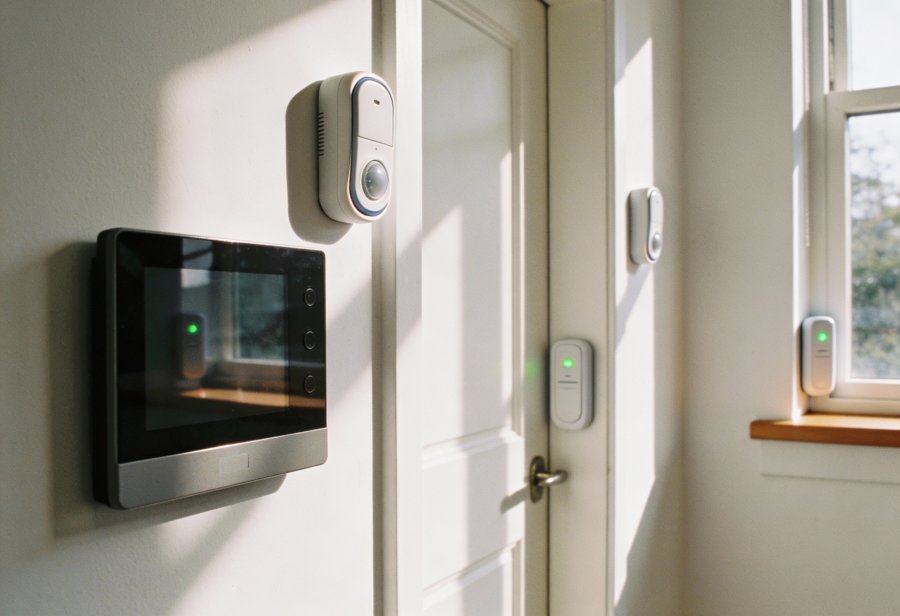
Home security is evolving rapidly, driven by smarter, more integrated technologies that promise to make our homes safer than ever before. Artificial intelligence and machine learning are beginning to shift security from reactive measures to proactive defenses, capable of learning household routines and spotting unusual behaviors before problems arise. This progress could significantly reduce incidents and provide a level of safety that adapts seamlessly to changing circumstances, creating homes that respond automatically to potential threats in real time.
However, the increasing connectivity of devices through the Internet of Things introduces new challenges. Cybersecurity and data privacy concerns grow as more household functions are entrusted to cloud platforms and networked systems. Protecting personal information from hacking and unauthorized access becomes essential, especially as the number of connected devices expands. Ensuring interoperability between different systems without compromising security will be a key hurdle, requiring manufacturers and homeowners to stay vigilant and proactive in safeguarding their digital environments.
While these technological advances open exciting possibilities, they don’t replace the importance of traditional safety measures. Robust physical security elements—like sturdy locks, outdoor lighting, and community watch programs—remain vital. Combining these physical measures with digital innovations creates a layered defense that addresses both cyber and physical vulnerabilities. This approach ensures that no single point of failure can compromise your home’s safety, providing a resilient shield against today’s evolving threats.
Staying ahead in home security demands ongoing attention. Regular updates, cybersecurity best practices, and occasional system reviews help maintain effectiveness against new risks. Consulting security professionals periodically can reveal gaps and suggest improvements, ensuring your setup remains resilient and reliable. Being informed about emerging trends and technological capabilities empowers homeowners to make smarter decisions, adapting their security strategies as threats evolve and new solutions become available.
Looking forward, the goal is to develop security systems that are as intuitive and manageable as they are sophisticated. User-friendly interfaces and automation will encourage consistent use and proper maintenance, making security an effortless part of daily life. When families trust their systems and understand how to operate them confidently, peace of mind naturally follows. Merging cutting-edge innovations with proven safety principles will create adaptable, long-lasting protection—helping households navigate an unpredictable world with confidence and resilience.