Navigating car repairs can be daunting—should you fix it yourself, call a mobile mechanic, or head to the shop? Each choice offers distinct advantages and risks, from the satisfaction and savings of DIY fixes to the convenience and expertise of professional service. Simple tasks like changing filters or batteries are perfect for DIYers or mobile mechanics, but complex repairs involving brakes, electronics, or engine components demand specialized tools and skills found only in garages. Recognizing your limits and understanding safety implications are crucial to avoiding costly mistakes or accidents. As technology advances, the landscape of vehicle repair is evolving: online tutorials, augmented reality, and smarter diagnostics make DIY repairs more accessible, while mobile services and high-tech shops leverage innovation for faster, safer fixes. Will future breakthroughs make car maintenance effortless or introduce new challenges? Staying informed empowers you to choose wisely—keeping your vehicle safe, reliable, and ready for the road ahead.
Navigating Vehicle Repair Choices: DIY, Mobile Mechanics, and Garages
When your car starts acting up, deciding how to get it fixed can feel overwhelming. You might wonder whether to roll up your sleeves and do it yourself, call a mobile mechanic to come to your location, or head straight to a traditional repair shop. Each option has its strengths and limits, and understanding when to choose one over the others can save you time, money, and stress.
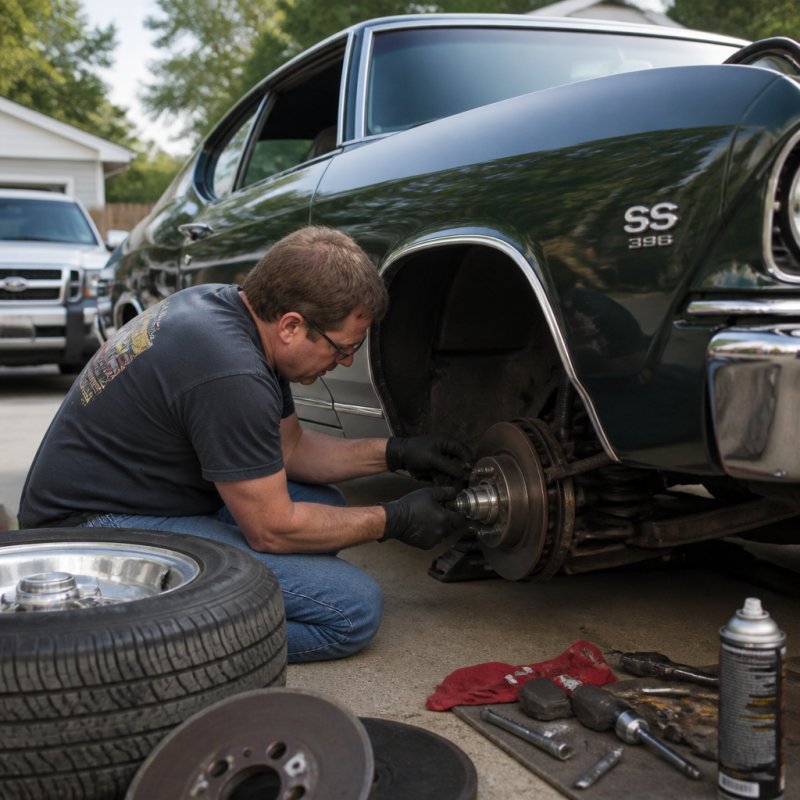
Doing repairs yourself can be surprisingly rewarding. Basic tasks like changing oil, replacing windshield wipers, or swapping out a battery are often straightforward enough to handle with some tools and patience. The main perk is saving money, since you’re only paying for parts and not labor. Plus, you gain hands-on skills that might come in handy again down the road. Working on your car on your schedule also means no waiting around for appointments.
However, DIY isn’t always the best route for every repair. Some jobs are more complex and require specialized tools, detailed knowledge, or safety precautions you might not have. Attempting advanced repairs without the right experience can lead to mistakes that turn a small fix into a costly problem—or worse, a safety hazard. Recognizing your limits before diving in can prevent bigger headaches later.
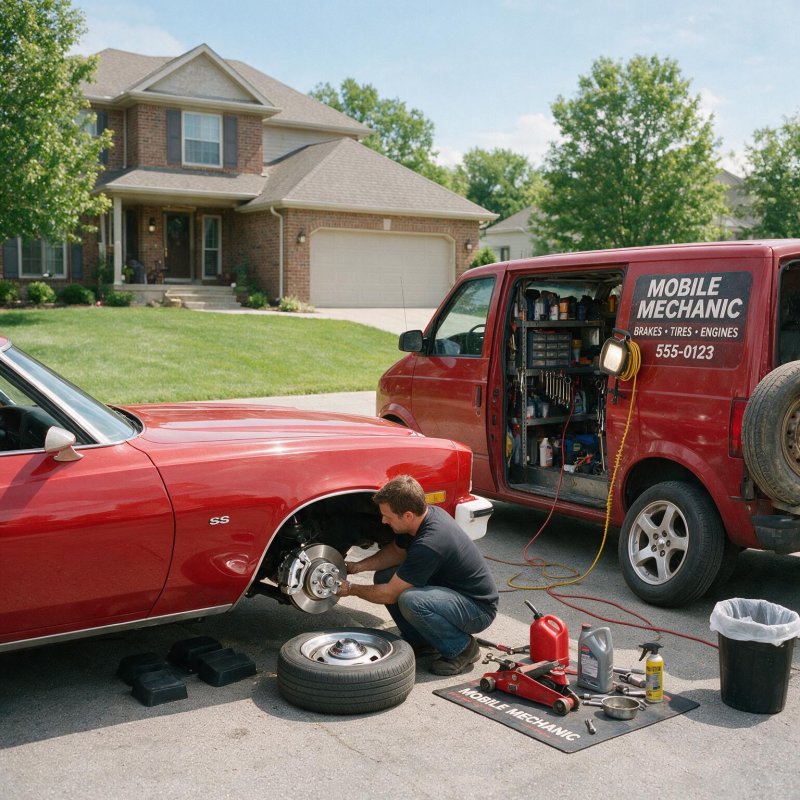
Mobile mechanics offer a convenient middle ground. They come to your driveway, parking lot, or workplace, handling simple repairs on-site. This saves you the hassle of towing or waiting in a shop. They’re often more affordable than traditional garages thanks to lower overhead costs, and they’re great for quick fixes like brake checks, battery replacements, or diagnostics. Still, their scope is limited; they can’t perform jobs that require lifts or heavy machinery.
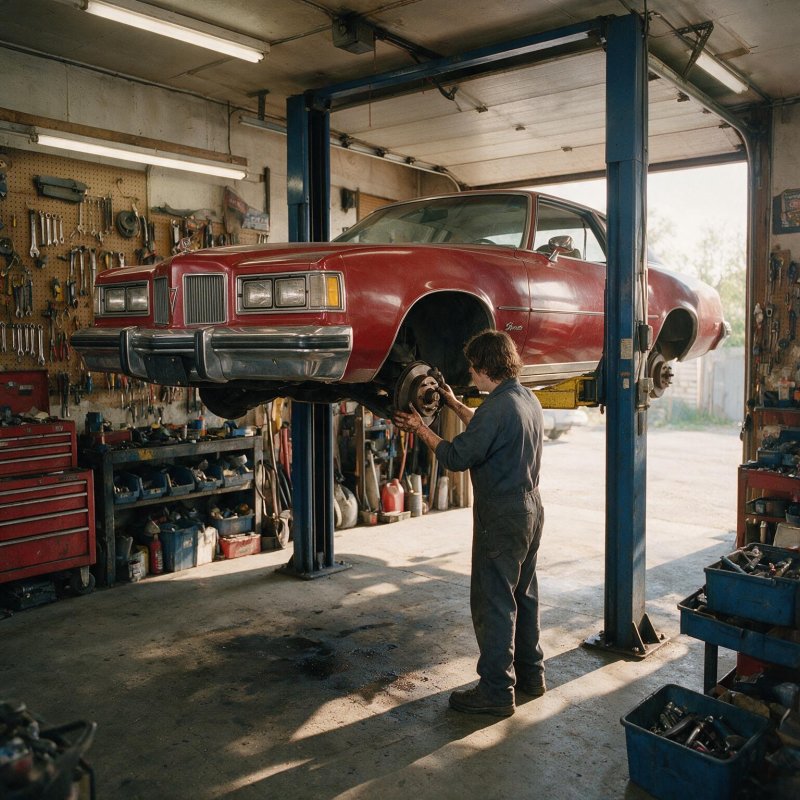
For more involved or safety-critical repairs, a traditional repair shop remains the best choice. Equipped with lifts, diagnostic computers, and specialized tools, these garages can handle engine work, transmission repairs, and other complex tasks. Their technicians have the training to ensure repairs are done correctly and safely, often backed by warranties. The trade-off is higher costs and the need to schedule appointments in advance.
Matching the repair to the right option depends on assessing the job’s complexity and safety needs. Simple maintenance tasks suit DIY or mobile mechanics, especially if you’re comfortable with basic tools. When the work involves intricate systems or safety concerns, trusting professionals with proper equipment is smarter. Making the right choice helps prevent accidents, saves money, and ensures your vehicle stays reliable.
Knowing when to call in the pros isn’t about giving up but about being smart. It’s about balancing your skills, the task’s demands, and safety considerations. By understanding each option’s strengths and limits, you can approach car repairs confidently—knowing you’re making the best choice for your vehicle and your peace of mind.
Assessing Repair Complexity and Safety: Know When to DIY or Call in Pros
When considering a repair, the first step is to honestly gauge its difficulty. Simple tasks like replacing windshield wipers, topping off fluids, or swapping out a battery typically require minimal tools and basic know-how. These jobs are often straightforward enough for DIYers or mobile mechanics, as they can be completed quickly and safely without specialized equipment. Recognizing these low-complexity tasks helps you decide whether you can handle them on your own or if they’re better suited for a quick mobile fix.
More complex repairs—such as working on brakes, suspension, or electrical systems—demand a higher level of skill and often require specialized tools. These jobs involve intricate procedures and safety considerations that can quickly overwhelm an untrained hand. Attempting such repairs without the proper expertise risks causing further damage or creating safety hazards. If a task involves working underneath the vehicle, handling high-pressure components, or dealing with sensitive electronics, it’s usually safer and more effective to turn to professionals with the right training and equipment.
Safety is a critical factor in evaluating any repair. Tasks involving high-pressure brake systems, working near electrical wiring, or lifting heavy parts require proper safety gear and procedures. Mishandling these components can lead to injuries or incomplete repairs that compromise vehicle safety. When a repair involves hazardous materials, complex procedures, or the potential for injury, it’s wise to leave it to experts who are equipped to manage these risks responsibly.
Another key consideration is the availability of specialized tools and machinery. Many repairs, like replacing timing belts or internal engine components, need equipment that most home garages don’t possess. Without the right tools, attempts at these jobs are not only prone to error but can also pose serious safety risks. Knowing whether you have access to or can rent or buy the necessary equipment helps determine if a DIY approach is feasible or if professional service is the smarter choice.
Those seeking additional insight may want to read Pat Bishop‘s article Choose the Best Car Repair Method for Safety and Savings on Better Bricks Masonry.
Cost considerations also influence the assessment. Simple repairs—like changing filters or batteries—are inexpensive and manageable, making DIY or mobile mechanics attractive options. However, more involved repairs, such as engine or transmission work, involve high-cost parts and labor. Trying to cut corners on these complex jobs can lead to mistakes that end up costing more in repairs or safety issues later on. Being realistic about your budget and skills helps you avoid costly missteps.
Finally, honest self-assessment of your skills and comfort level is essential. If you’re confident with basic repairs and have followed tutorials successfully, DIY can be rewarding. But pushing beyond your ability for complex, safety-critical jobs risks mistakes that could threaten your safety and your vehicle’s reliability. Knowing your limits ensures you choose the safest, most effective approach—whether that’s tackling a simple fix or trusting a professional. This balanced evaluation is key to maintaining your vehicle’s performance and your peace of mind.
Experience Reliable Auto Maintenance at Hirji Auto Repairs in Thornhill
Looking for trusted auto care in Thornhill, Ontario? Hirji Auto Repairs is your family-run business offering top-notch services including basic maintenance, brake service, tune-ups, wheel alignment, and more. We specialize in installing new brakes and tires to keep your vehicle safe and running smoothly. Need an oil change? Our team provides fast, efficient service to get you back on the road quickly. Conveniently located at 60 Green Lane, Unit #2, Thornhill, we pride ourselves on quality work and excellent customer care. Call us today at 905-886-4404 for all your auto repair needs!
Choosing the Right Approach: Matching Repair Tasks to Skills and Safety
Deciding how to approach a repair begins with an honest assessment of its complexity. Tasks like replacing windshield wipers or topping off fluids are simple and straightforward, often requiring only basic tools and minimal technical knowledge. These jobs are ideal for DIY efforts or mobile mechanics because they can be completed quickly and safely in a driveway or parking lot. When a repair involves only basic parts and poses little safety risk, handling it yourself or hiring a mobile mechanic makes perfect sense.
As the repair becomes more involved, the approach needs to shift. Fixing brakes, suspension components, or electrical systems usually demands specialized tools and a deeper understanding of how these parts work together. Attempting these without proper knowledge or equipment can lead to mistakes that compromise safety or cause additional damage. Recognizing when a task exceeds your skill level is key to avoiding costly errors—if you’re unsure about the tools or procedures, it’s better to consult a professional.
Safety considerations are equally important. Repairs involving high-pressure brake systems, electrical wiring, or vehicle lifts require proper safety gear and procedures. Mishandling these components can lead to injuries or incomplete repairs that jeopardize your vehicle’s safety. When a job involves working under the car or dealing with hazardous materials, leaving it to trained technicians with the right equipment is the safest choice.
The availability of specialized tools also influences your decision. Many repairs, like replacing a timing belt or internal engine components, need equipment that most home garages don’t have. Without the proper tools, attempts at these jobs can be dangerous and ineffective. Knowing whether you can access or rent the necessary equipment helps determine if a DIY approach is realistic, or if it’s wiser to leave it to professionals with the right machinery.
Cost considerations play a role as well. Simple fixes like changing filters or batteries are inexpensive and manageable for DIYers or mobile mechanics. But complex repairs involving engine or transmission work come with higher parts and labor costs. Trying to save money by tackling these yourself can backfire if mistakes lead to more damage, making professional service the smarter investment in the long run.
For a related viewpoint, Kenzie Wilson covers this in Smart Car Repair Choices for Safe and Cost-Effective Maintenance on Fantasy Quest Pro.
Finally, honest self-assessment of your skills and comfort level is crucial. If you’re confident with basic repairs and have followed tutorials successfully, DIY can be satisfying and cost-effective. However, pushing beyond your abilities on complex, safety-critical jobs risks mistakes that threaten your safety and the vehicle’s reliability. Knowing your limits helps you choose the safest and most effective approach—whether that’s tackling a simple fix or trusting a professional.
This evaluation of difficulty and safety ensures you match each repair to the right method, protecting both your vehicle and yourself. It’s about making smart decisions that balance skill, safety, and cost, so every fix is a step towards keeping your car reliable and safe on the road.
Putting Repair Strategies into Practice: Practical Steps for Success
Once you’ve identified the best approach—whether it’s a DIY fix, a mobile mechanic, or a trip to the shop—the next step is to put that plan into action smoothly. Start by honestly evaluating your own skills and the tools you have at hand. Are you confident working with basic repairs, or do you feel out of your depth? If uncertainty lingers, it’s best to lean on professionals rather than risking further damage. Gathering the right parts and tools before you begin can save time and prevent mistakes, so double-check that everything is compatible with your vehicle.
If you’re taking on the repair yourself, follow detailed guides or trusted video tutorials. Work slowly and methodically, paying close attention to each step. Rushing can lead to errors, so patience is key. Protect yourself by wearing gloves and goggles, and work in a well-ventilated space to avoid health hazards. Breaking complex repairs into smaller tasks helps keep the process manageable and reduces the chance of missing critical details. Staying organized and focused ensures the repair is done properly the first time around.
For those who’ve hired a mobile mechanic, clear communication is essential. Describe the problem thoroughly and be prepared with your vehicle details so they arrive equipped with the necessary tools and parts. During the repair, ask questions and observe when possible—this not only helps you learn but also builds trust. Remember, mobile services are best suited for straightforward fixes; anything more involved might still need a traditional shop.
When working with a garage, plan ahead by scheduling an appointment and discussing your vehicle’s symptoms in detail. Clear communication about the scope of work helps set realistic expectations. Make sure to remove personal belongings to facilitate easy access, and request an upfront estimate covering parts and labor. For complex repairs, trusting experienced technicians with the right equipment guarantees safety and quality. Once the work is complete, inspect the repair and ask questions if anything isn’t clear.
For additional context, read Quin Wade‘s article Mastering Car Repairs: When to DIY and When to Call a Pro on Sit Tight Now.
Throughout the process, safety must stay front and center. Use the proper tools, wear protective gear, and test your vehicle carefully before driving away. If anything feels uncertain or unexpected issues arise, pause and consult a professional. Taking practical, deliberate steps—like thorough preparation, cautious execution, and prioritizing safety—makes vehicle repairs more manageable and increases the chances of a successful outcome. This disciplined approach keeps your car running smoothly and your mind at ease.
The Future of Vehicle Repair: Embracing Innovation and Staying Ahead
Looking ahead, vehicle repair options are set to evolve rapidly as technology advances. DIY repairs are becoming more accessible thanks to online tutorials, augmented reality tools, and affordable diagnostic devices that connect directly to smartphones. These innovations are demystifying complex processes, making it easier for everyday car owners to handle tasks that once required professional skills. At the same time, mobile mechanics are likely to adopt new portable equipment and digital platforms, enabling them to provide faster, more reliable on-site services. This shift means fewer trips to the shop and less downtime, boosting convenience for busy drivers.
Full-service garages are also adapting to these technological changes. They’re integrating advanced diagnostics, electric vehicle expertise, and automation tools to streamline repairs and improve precision. As electric and autonomous vehicles become more common, repair shops will need to develop specialized skills in battery management, software updates, and high-voltage systems. This transition promises more efficient workflows and higher standards of service, ultimately benefiting consumers with safer, longer-lasting repairs. Staying informed about these trends helps vehicle owners make smarter choices and maintain their cars in optimal condition.
Emerging technologies like augmented reality and artificial intelligence are already reshaping the repair landscape. AR overlays step-by-step instructions directly onto vehicle components, making complex repairs more approachable. AI-driven diagnostic software can analyze vehicle data to quickly identify issues, reducing both repair times and errors. Remote diagnostics enabled by connected devices allow technicians to assess problems from afar, providing faster insights and sometimes guiding DIYers through repairs remotely. These tools are breaking down barriers, making effective vehicle maintenance more achievable for everyone.
The rise of electric vehicles will transform repair skills and industry standards. Traditional engine work will give way to expertise in battery systems, electric drives, and digital diagnostics. Professionals will need new training and specialized equipment, while DIY enthusiasts can tap into online resources to learn these skills. This shift not only enhances safety but also expands opportunities for those interested in automotive repair, creating a more tech-savvy community of car owners and technicians alike.
For drivers, these technological developments promise greater convenience, safety, and vehicle longevity. On-demand mobile services will become more widespread, offering real-time tracking and transparent pricing. DIYers will have access to user-friendly tools and detailed guides that make maintenance less intimidating. Meanwhile, professional repair shops will continue to upgrade their capabilities, focusing on complex systems that require high-tech expertise. Staying up-to-date with these innovations ensures your car remains safe, reliable, and efficient on the road.
Ultimately, the future of vehicle repair is about making maintenance smarter, more accessible, and safer. Digital diagnostics, augmented reality, and AI will lower the barriers for DIYers and professionals alike. As vehicles grow more complex, automation and specialization will lead to faster, more accurate repairs, reducing breakdowns and extending vehicle lifespans. For drivers, keeping pace with these changes means better service, longer-lasting vehicles, and peace of mind. Embracing these innovations today prepares you for a smoother, more reliable driving experience tomorrow.
