Probiotics are often hailed as a natural remedy for improving digestion and strengthening immunity, but are their benefits truly as universal as claimed? This exploration reveals that while these ‘good bacteria’ can support gut health—reducing bloating, enhancing nutrient absorption, and fortifying the gut barrier—their effectiveness varies widely among individuals. They can be especially helpful during stressful times like antibiotic use or travel, yet may cause mild discomfort or pose risks for those with weakened immune systems. The key question becomes: how can you incorporate probiotics thoughtfully into your routine? Eating probiotic-rich foods a few times weekly or using targeted supplements during specific needs can be effective, but they are best paired with a balanced diet, prebiotics, and healthy habits. Ultimately, understanding their limitations and approaching them with realistic expectations ensures probiotics serve as a supportive tool, rather than a cure-all, in your broader journey toward optimal health.
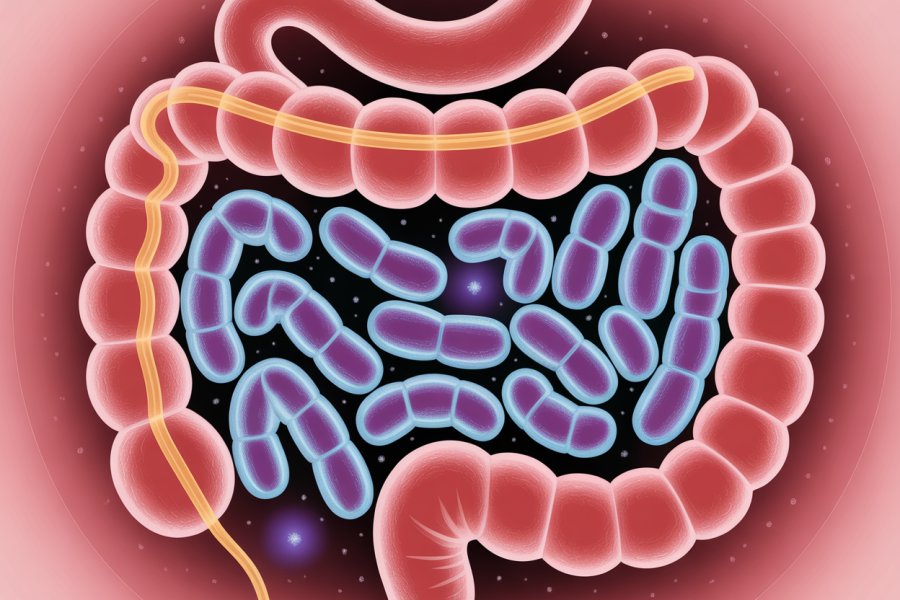
Unlocking the Power of Probiotics for Gut Health
Probiotics have become a buzzword in health and wellness circles, widely praised for their potential to support digestion and overall gut health. These tiny live microorganisms, often called “good bacteria,” naturally live in our bodies and are found in familiar foods like yogurt, kefir, sauerkraut, and kimchi, as well as in dietary supplements. Their popularity has surged as more people seek natural ways to improve their well-being, especially amid concerns about processed diets and antibiotic use.
The main idea behind probiotics is their role in maintaining a balanced gut microbiome. When this balance is intact, digestion tends to be smoother, and issues such as bloating, gas, and irregular bowel movements become less common. These beneficial microbes help break down food more efficiently, making nutrients more accessible and supporting regularity. Beyond digestion, a healthy microbiome also aids immune function, helping the body defend against infections and keeping overall health in check.
Despite their promising reputation, probiotics are not a cure-all. Different strains serve different purposes, and their effectiveness can vary widely from person to person. Some individuals may notice improvements in digestion and comfort, while others see little change. Mild side effects like gas or bloating are common initially, especially if your gut isn’t used to the added bacteria. For those with weakened immune systems or serious health issues, introducing live bacteria requires caution and often professional guidance.
Incorporating probiotics into your routine depends on your specific needs. Eating probiotic-rich foods a few times each week can support general health, while short-term daily supplements might be beneficial during periods of digestive stress, such as after antibiotics or during travel. Listening to your body and adjusting intake accordingly can help you find a sustainable balance. Pairing probiotics with prebiotic foods—high in fiber that nourish beneficial bacteria—can further enhance their impact and help sustain a resilient microbiome over time.
Understanding the scope and limitations of probiotics is key to making informed choices. They can be a helpful addition, but are best viewed as part of a broader approach that includes a nutritious diet, regular exercise, and stress management. With realistic expectations and mindful consumption, probiotics can support your gut health without overpromising or creating dependency. When integrated thoughtfully, they become a valuable tool in your overall wellness toolkit.
How Probiotics Promote Digestive Harmony and Immunity
Probiotics are best known for helping to maintain a healthy balance of bacteria in the gut, which is essential for smooth digestion. When the microbiome is in harmony, issues like bloating, gas, and irregularity tend to decrease, making daily routines more comfortable. These beneficial microbes assist in breaking down food more efficiently, ensuring that nutrients are better absorbed and utilized by the body. Many people notice a more regular, comfortable digestive system as a direct result of incorporating probiotics into their diet.
Beyond their role in digestion, specific probiotic strains strengthen the gut’s barrier function. They help preserve the integrity of the intestinal lining, preventing harmful toxins and pathogens from crossing into the bloodstream. This protective effect reduces inflammation and supports overall gut health, which is crucial because an inflamed or compromised gut can lead to broader health issues over time. In this way, probiotics do more than aid digestion—they bolster your body’s first line of defense.
Probiotics also play a significant role in speeding up recovery from digestive disturbances like diarrhea or food sensitivities. For example, they can help shorten episodes of antibiotic-associated diarrhea or soothe symptoms caused by food intolerances. This makes them especially useful during stressful times for your gut, such as after illness, medication, or dietary shifts. Restoring microbial balance quickly can lead to faster relief and reduce discomfort, helping you feel better sooner.
In addition, probiotics support immune health. Since a large part of your immune system resides in the gut, maintaining a balanced microbiome can help modulate immune responses. Some research suggests that regular probiotic consumption might decrease the frequency and severity of common illnesses like colds or gastrointestinal infections. While more studies are needed, many find that a healthy microbiome contributes to a greater sense of resilience and overall well-being.
Incorporating probiotics into your routine can lead to noticeable improvements in daily comfort and health. They help sustain a diverse, resilient microbiome that supports both digestion and immune function. While not a cure-all, their benefits make them a valuable addition—especially when paired with a nutritious diet, regular activity, and stress management. Used thoughtfully, probiotics can be a simple yet effective tool for bolstering your overall health.

Smart Strategies for Incorporating Probiotics into Your Routine
When considering whether to add probiotics to your routine, start by evaluating your specific health needs. For most people, incorporating probiotic-rich foods like yogurt, kefir, sauerkraut, or kimchi a few times a week provides a natural way to support gut health. These foods are generally safe, enjoyable, and offer additional nutrients that complement their probiotic benefits. If you’re dealing with particular issues—such as recovering from antibiotics, experiencing digestive discomfort, or preparing for travel—short-term daily supplements might be more effective. Choosing reputable probiotic products that specify strains and colony-forming units (CFUs) ensures you’re getting a meaningful dose.
For individuals with weakened immune systems or underlying health conditions, caution is essential. Live bacteria, even beneficial ones, can sometimes pose risks if your body isn’t ready for them. Consulting a healthcare professional before starting probiotics helps tailor the right strains and doses for your situation, reducing the chance of adverse effects. This step is especially important if you’re immunocompromised or dealing with serious health issues, as probiotics might do more harm than good in some cases. Professional guidance ensures safe integration into your health plan.
How often you take probiotics depends on your goals. For daily maintenance, eating probiotic foods a few times a week can be enough to support a healthy microbiome. During periods of digestive stress—like after antibiotics, illness, or travel—daily supplements for a limited time can help restore balance more quickly. Some prefer natural sources, while others opt for targeted supplements based on specific needs. Listening to your body and adjusting your intake accordingly makes your approach more effective and sustainable.
Pairing probiotics with prebiotic foods—like fruits, vegetables, and whole grains—can significantly boost their benefits. Prebiotics nourish the beneficial bacteria, helping them survive stomach acid and multiply in your gut. Incorporating these foods into your daily diet creates an environment that supports a resilient microbiome over the long term. This combination not only enhances the survival of probiotic strains but also promotes overall gut health, making your efforts more consistent and effective.
Probiotics should be viewed as one part of a broader health strategy. They work best alongside a nutritious diet, regular exercise, sufficient sleep, and stress management. These habits create an optimal environment for beneficial bacteria to thrive and do their job. Starting slowly, especially if you’re new to probiotics, allows your gut to adjust with minimal discomfort. Paying attention to how your body responds helps you find the right balance, turning probiotics into a sustainable, supportive tool rather than a quick fix.
Incorporating probiotics thoughtfully ensures you maximize their benefits while minimizing potential risks. Avoid relying solely on supplements or probiotic foods without considering your overall lifestyle and health. Consulting healthcare professionals when needed can help refine your approach, making probiotic use safe and effective. When used as part of a balanced routine, probiotics can support your digestive health and contribute to a more resilient, healthier you.
Practical Tips for Consumers and Healthcare Guidance
Incorporating probiotics into your daily routine can be simple and effective when approached with clear, practical steps. Starting with probiotic-rich foods like yogurt, kefir, sauerkraut, or kimchi a few times each week provides a natural way to support your gut without much effort. These familiar options are generally safe, enjoyable, and add extra nutrients to your diet, making them an easy entry point. If you’re dealing with specific challenges—such as recovering from antibiotics, experiencing digestive discomfort, or preparing for travel—short-term daily supplements might give your microbiome a needed boost. Choosing reputable products that specify strains and CFU counts ensures you’re getting a meaningful dose.
For those with underlying health issues or weakened immune systems, caution is key. Live bacteria, even beneficial ones, can pose risks if your body isn’t ready for them. Consulting a healthcare professional before starting probiotics helps tailor the right strains and doses for your situation, reducing the chance of adverse effects. This personalized guidance can help you avoid unnecessary risks while maximizing potential benefits. It’s especially important for immunocompromised individuals or those with serious health conditions, where professional input can make all the difference.
How often you take probiotics depends on your goals. For daily maintenance, incorporating probiotic foods a few times weekly usually suffices. During periods of digestive stress—like after antibiotics, illness, or travel—daily supplements for a limited time can help restore balance more quickly. Some prefer natural sources, while others opt for targeted supplements based on their needs. Listening to your body and adjusting intake accordingly leads to a more effective, sustainable approach that fits your lifestyle.
Pairing probiotics with prebiotic foods, such as fruits, vegetables, and whole grains, can significantly enhance their impact. Prebiotics nourish beneficial bacteria, helping them survive stomach acid and multiply in your gut. Including these foods regularly creates an environment that supports a resilient microbiome over time. This combination not only boosts probiotic survival but also promotes overall gut health, making your efforts more consistent and long-lasting.
Probiotics work best when integrated into a broader healthy lifestyle. They complement a nutritious diet, regular exercise, sufficient sleep, and stress management—all of which create the ideal environment for beneficial bacteria to thrive. Starting slowly allows your gut to adjust with minimal discomfort, and paying attention to how your body responds helps you fine-tune your approach. When used thoughtfully as part of your daily habits, probiotics become a sustainable, supportive tool that can genuinely enhance your digestive health and overall well-being.

Summing Up: Making Informed Choices for a Resilient Microbiome
Probiotics can be a valuable addition to your health routine, offering support for digestion, immune function, and overall gut resilience. But their benefits aren’t guaranteed for everyone, and understanding their limitations is key to using them effectively. Choosing the right strains, incorporating probiotic-rich foods or supplements thoughtfully, and consulting healthcare professionals when necessary can help you maximize their potential while avoiding unnecessary risks. Probiotics work best when seen as one piece of a broader health puzzle, alongside a nutritious diet, regular activity, and stress management.
The effects of probiotics can vary widely from person to person. Some individuals may notice significant improvements in comfort and digestion, especially after antibiotics or during times of digestive upset. Others might see little to no change, which highlights how individual responses differ. This variability makes it essential to select strains tailored to your needs and to approach probiotics with patience. Managing expectations helps prevent disappointment and encourages a mindful, sustainable use of these beneficial microbes.
Caution is especially important if you have underlying health issues or a weakened immune system. While probiotics are generally safe for healthy individuals, live bacteria can pose risks in certain cases. Consulting a healthcare professional before starting a probiotic regimen ensures you choose appropriate strains and doses, reducing the chance of adverse effects. For most people, moderate use—like enjoying probiotic foods a few times a week—can support long-term health without overdoing it.
Incorporating probiotics into your diet doesn’t mean replacing core habits. They complement a balanced lifestyle that includes a nutritious diet, regular exercise, good sleep, and stress management. These habits create an environment where beneficial bacteria can thrive and do their best work. Starting slow and listening to your body helps you find a sustainable approach, turning probiotics into a supportive, rather than dependency-inducing, part of your wellness routine.
When used thoughtfully, probiotics can genuinely enhance your digestive health and resilience. They are not a quick fix but a tool that, combined with other healthy habits, can contribute to a more balanced microbiome and better overall well-being. Managing expectations and staying attentive to how your body responds will help you integrate them smoothly into your lifestyle. With patience and care, probiotics can become a meaningful part of your journey toward better health.
In the end, the goal is to view probiotics as one element of a holistic approach. They support your body’s natural defenses and digestive processes, but only when used wisely and as part of a comprehensive health plan. By making informed choices, listening to your body, and maintaining healthy habits, you can harness their benefits without overestimating their powers. This balanced perspective ensures probiotics remain a helpful, sustainable, and safe addition to your ongoing path to wellness.