Cleopatra VII is often remembered for her beauty and romantic liaisons, but her true legacy lies in her exceptional intellect and strategic prowess. Could her influence have stemmed more from her sharp mind than her glamorous image? As the last pharaoh of Egypt, she expertly balanced Egyptian traditions with Hellenistic culture, wielding diplomacy, multilingualism, and scholarship to maintain her kingdom’s independence amid Roman expansion. Her mastery of languages and her deep engagement with sciences, philosophy, and literature fueled her ability to navigate complex political landscapes, forge strategic alliances, and reinforce her authority through cultural symbolism. Cleopatra’s resilience, adaptability, and cultural literacy were her true weapons, enabling her to outmaneuver rivals and secure Egypt’s sovereignty. This portrait reveals a leader whose strength was rooted in intelligence and diplomacy—qualities that propelled her legacy far beyond myth and glamour. Are we underestimated the power of a sharp mind in shaping history?
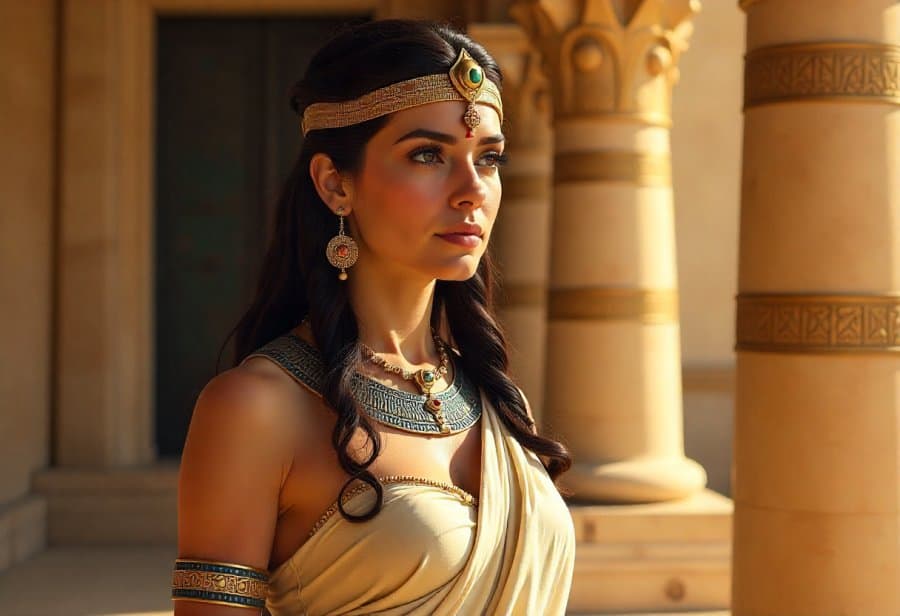
Unveiling Cleopatra: The Mind Behind the Majesty
Cleopatra VII is often remembered for her beauty and romantic alliances, but her true legacy runs much deeper. She was a highly intelligent and strategic leader whose influence shaped the course of history. As the last active ruler of Egypt’s Ptolemaic dynasty, her reign marked a pivotal turning point—one where her wit, diplomacy, and political skill overshadowed the stories of glamour. Looking beyond her allure reveals a ruler driven by sharp thinking and resilience.
Her strength lay in her remarkable mind. Cleopatra understood the complexities of diplomacy, warfare, and governance, often outmaneuvering her rivals through clever alliances and strategic decisions. She was fluent in multiple languages, including Egyptian and Greek, which gave her a diplomatic edge. Her education and cultural literacy allowed her to bridge different worlds—Egyptian traditions and Hellenistic customs—using this knowledge to reinforce her authority and legitimacy.
While stories tend to emphasize her romantic relationships with Julius Caesar and Mark Antony, her power was rooted in her ability to govern wisely and navigate a turbulent political landscape. Her leadership was characterized by resilience, adaptability, and a keen sense of timing—traits that underscore her mental agility. Her scholarly pursuits, especially her association with the Library of Alexandria, highlight her deep intellectual curiosity and commitment to knowledge as a tool for effective leadership.
Cleopatra’s alliances were carefully crafted political moves rather than mere personal relationships. They helped her support military campaigns, foster diplomatic ties, and secure Egypt’s independence amid the rising dominance of Rome. Her ability to respond swiftly to changing circumstances and her mastery of cultural symbolism kept her relevant in a dangerous and competitive world. She was a leader who relied on intelligence, strategic thinking, and cultural diplomacy rather than brute strength alone.
Examining her leadership through her intellect and diplomatic finesse reveals a figure who thrived in a complex, often perilous environment. Her resilience, cultural diplomacy, and sharp decision-making allowed her to maintain her sovereignty and influence far beyond her time. Cleopatra’s story is a testament to how intelligence and adaptability can shape a legacy—one that endures through the ages, far beyond the myth of her glamour.
Foundations of Power: The Politics and Culture of Her Reign
Cleopatra VII’s reign unfolded during a period of intense political upheaval across the Mediterranean. Egypt, once a powerful and largely independent kingdom, had been reshaped by the Macedonian Ptolemaic dynasty, a Greek family descended from Alexander the Great’s generals. Though rooted in Greek tradition, Cleopatra made deliberate efforts to connect with Egypt’s ancient culture, adopting religious symbols and customs to legitimize her rule and earn the loyalty of her people. This dual identity was central to her leadership—balancing her Greek heritage with the deeply rooted Egyptian traditions that defined her domain.
During her lifetime, Rome was rapidly expanding its influence, shifting the balance of power in the region. The rise of the Roman Republic into an empire meant that no ruler could ignore its growing might. Cleopatra was acutely aware of this reality and navigated the changing landscape with diplomatic finesse. She understood that her survival depended on forging strategic alliances, not solely through military might but through cultural diplomacy and political negotiation.
Growing up in the Macedonian court, Cleopatra was exposed to a world of Hellenistic influences, yet she immersed herself in Egyptian traditions to strengthen her legitimacy. Her education was broad and deep—she was fluent in multiple languages, including Egyptian and Greek, which allowed her to communicate directly with diverse audiences. Alexandria’s renowned Library provided her with access to a wealth of knowledge in sciences, literature, and philosophy, shaping her worldview and sharpening her diplomatic skills.
Her mastery of Egyptian religious symbolism, combined with her Greek cultural literacy, enabled her to craft a unique image—one that resonated with both her Egyptian subjects and her Hellenistic allies. She positioned herself as a divine ruler, linked to Egyptian gods like Isis, while also embracing Greek customs to appeal to her Macedonian heritage. This blending of traditions helped her maintain her authority amid external threats and internal unrest.
Cleopatra’s strategic marriage alliances and political partnerships were vital tools in her toolkit. Her relationships with Julius Caesar and Mark Antony were not merely personal but calculated moves designed to bolster Egypt’s independence and her own power. These alliances helped her secure military and economic support, ensuring her kingdom’s survival in a turbulent era.
Her leadership style was characterized by resilience and adaptability. Facing internal dissent and external encroachment, she responded swiftly—shifting tactics, employing religious symbolism, and reinforcing her legitimacy through cultural diplomacy. Her ability to read her environment, respond flexibly, and forge alliances kept her relevant and influential amidst the shifting tides of history.
Ultimately, Cleopatra’s story is one of strategic brilliance rooted in cultural literacy and political savvy. Her ability to navigate complex alliances, respond to crises, and maintain her sovereignty demonstrates a leader who understood that true power extends beyond military force. Her reign exemplifies how a deep understanding of politics, culture, and diplomacy can forge a legacy that endures far beyond her lifetime.
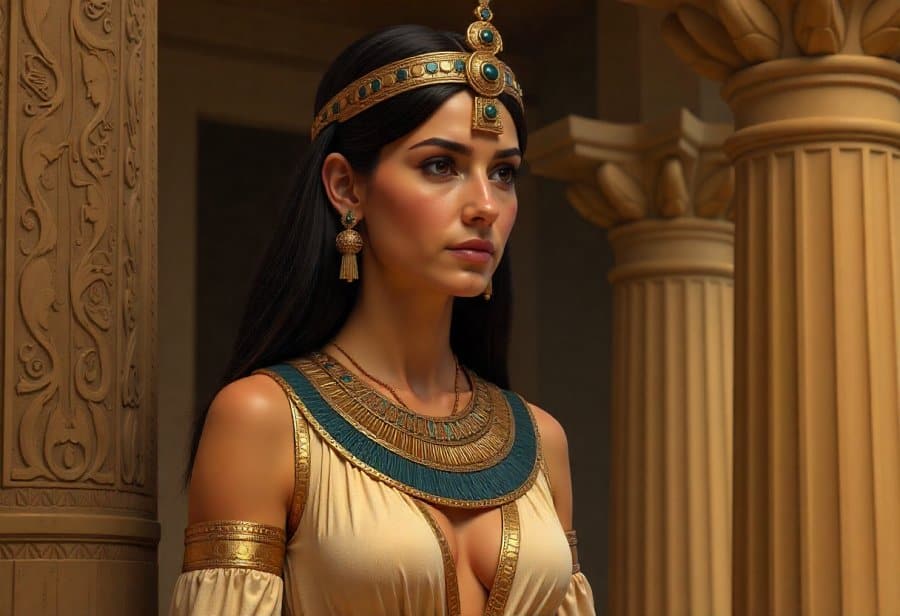
Intellectual Queen: Cleopatra’s Education and Scholarly Pursuits
Cleopatra’s education was as impressive as her leadership, shaping her into a ruler whose intellect matched her political acumen. Growing up in the Macedonian royal court, she became fluent in multiple languages, including Greek and Egyptian. This linguistic mastery was more than cultural pride—it was a strategic tool that allowed her to communicate directly with diverse groups, negotiate across borders, and project authority without intermediaries. Her ability to speak the local Egyptian language alongside Greek gave her a diplomatic edge that few of her rivals could match.
Her scholarly pursuits extended far beyond language. Cleopatra immersed herself in sciences, mathematics, philosophy, and literature, often studying within Alexandria’s famed Library. This intellectual environment fostered her curiosity and helped develop a broad, analytical mind capable of grasping complex ideas and applying them to governance. She didn’t settle for surface-level knowledge; her engagement with astronomy, medicine, and other disciplines sharpened her reasoning and problem-solving skills, making her a leader rooted in critical thinking.
Her support for research and innovation in Alexandria demonstrated her belief that understanding the natural world could strengthen her rule. She encouraged scholars and scientists, viewing knowledge as a vital resource for addressing practical challenges and maintaining her kingdom’s vitality. Her reputation as a learned ruler grew from her ability to synthesize information from various fields and leverage it in diplomatic and political decisions.
This scientific curiosity was intertwined with her cultural literacy. Cleopatra seamlessly blended Egyptian religious symbols and customs with Greek traditions, positioning herself as both a divine figure and a Hellenistic monarch. This duality wasn’t just for show; it was a strategic move that helped rally support among her diverse subjects and allies. Her deep understanding of cultural nuances allowed her to craft symbols and messages that resonated on multiple levels.
Her mastery of language, combined with her broad scholarly interests, made her a leader who thrived in turbulent times. She understood that knowledge was a powerful weapon—one that enabled her to outthink rivals, respond swiftly to crises, and maintain her sovereignty. Cleopatra’s education was more than personal enrichment; it was a foundation for her resilience and adaptability as a ruler.
Her leadership style reflected her intellectual strength. She relied on her ability to absorb and synthesize diverse sources of information, making nuanced decisions that kept her kingdom afloat amid internal unrest and external threats. Her quick wit and strategic thinking were direct results of her extensive learning and curiosity, allowing her to navigate complex political landscapes with confidence.
In the end, Cleopatra’s intelligence was her true power. Her scholarly pursuits and linguistic talents weren’t just personal interests—they were strategic assets that reinforced her authority and legacy. Her story exemplifies how a leader’s depth of knowledge and cultural literacy can be as impactful as military strength, shaping history through the force of her mind.
Mastering Diplomacy: The Power of Her Intelligence and Strategy
Cleopatra’s legacy is best understood through her extraordinary intelligence, diplomatic finesse, and strategic mindset. She navigated a complex geopolitical landscape, balancing Egyptian traditions with the rising dominance of Rome, demonstrating a remarkable ability to adapt and outthink her rivals. Her influence extended far beyond her reign, illustrating how leadership rooted in wit and resilience can leave a lasting mark on history.
Her greatest strength was her mind. Mastery of multiple languages, engagement with sciences and philosophy, and her ability to communicate directly with powerful leaders across cultures gave her a diplomatic edge. This multilingual skill allowed her to negotiate and forge alliances without intermediaries, making her influence more immediate and personal. Her deep curiosity about astronomy, medicine, and mathematics wasn’t just for personal growth—it was a toolkit for informed decision-making and problem-solving.
Cleopatra’s diplomatic skill was rooted in her talent for forging and maintaining strategic alliances. Her relationships with Julius Caesar and Mark Antony were more than personal; they were calculated moves designed to bolster Egypt’s independence and her own power. These partnerships helped her secure military support, foster economic stability, and negotiate peace—showing her ability to turn complex situations to her advantage through intelligence and tact.
Resilience and adaptability defined her leadership style. Faced with internal dissent and external threats, she responded swiftly—shifting tactics, employing religious symbolism, and reinforcing her legitimacy through cultural diplomacy. Her capacity to read her environment, respond flexibly, and sustain her sovereignty kept her relevant amid turbulent times. Her strategic mind turned obstacles into opportunities, ensuring her influence endured long after her reign.
By viewing Cleopatra through the lens of her intellect, it becomes clear that her true power lay within her mind. Her ability to learn, innovate, and strategize left a legacy that transcends myth and glamour. Her story reminds us that genuine leadership depends on resilience, curiosity, and strategic insight—qualities that continue to inspire, proving that greatness often resides in the strength of the mind rather than superficial charm.
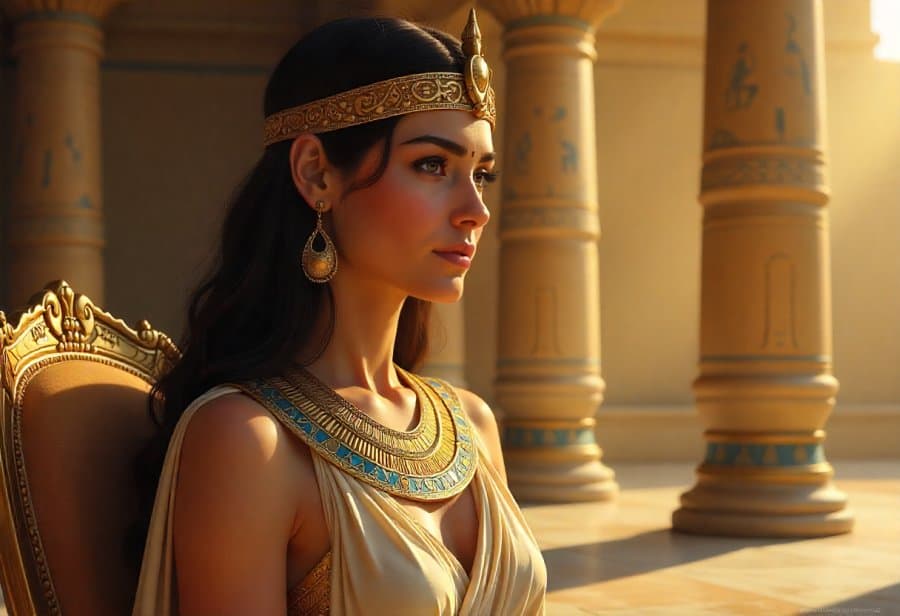
Legacy of the Mind: Final Insights into Cleopatra’s Enduring Influence
Cleopatra’s legacy reveals that the greatest strength of a leader often lies in the power of the mind. Beyond the stories of beauty and romance, her true influence was rooted in her sharp intelligence, strategic thinking, and deep cultural literacy. These qualities enabled her to navigate the treacherous waters of a changing world, forging alliances and maintaining independence amid the rising dominance of Rome.
Her mastery of multiple languages and her engagement with sciences, philosophy, and literature weren’t just personal pursuits—they were vital tools for leadership. Cleopatra’s ability to communicate directly with powerful figures across cultures gave her a diplomatic edge that few could match. Her curiosity about astronomy, medicine, and mathematics was more than academic; it was a means to make informed decisions, outthink rivals, and solve complex problems.
Her alliances with Julius Caesar and Mark Antony exemplify her talent for strategic diplomacy. These relationships were carefully crafted political moves rather than personal whims, helping secure Egypt’s sovereignty and bolster her authority. Cleopatra’s skill in turning diplomatic and military situations to her advantage demonstrates her resilience and tactical brilliance, ensuring her influence endured long after her reign.
Resilience and adaptability defined her leadership style. Faced with internal unrest and external threats, she responded swiftly, shifting tactics and employing religious symbolism to reinforce her legitimacy. Her ability to read her environment and respond flexibly kept her relevant in a turbulent era, transforming obstacles into opportunities and safeguarding her kingdom’s future.
Viewing Cleopatra through the lens of her intellect shifts the focus from myth to reality. Her story is a testament to how resilience, curiosity, and strategic insight can forge a legacy that transcends time. Her leadership was driven by knowledge and adaptability, qualities that remain relevant and inspiring today.
Her deep cultural literacy and mastery of symbolism strengthened her authority and helped rally her diverse subjects. By blending Egyptian religious traditions with Hellenistic customs, she created a multifaceted identity that resonated on many levels. This nuanced understanding of her audience allowed her to sustain her influence across different cultural spheres.
In the end, Cleopatra’s true power was in her mind. Her story encourages us to value intelligence, resilience, and strategic thinking as the real sources of leadership strength. These qualities, more than superficial charm or brute force, shaped her lasting impact and serve as a timeless reminder that greatness often resides in the depth of one’s intellect.