Nylon, a ubiquitous staple in our everyday lives, originates from petrochemical processes that have profound environmental consequences. Its durability and affordability have driven its widespread use, yet behind this convenience lies a complex web of ecological costs—climate change from fossil fuel dependence, chemical pollution from manufacturing, and persistent microplastics contaminating ecosystems. Are we truly aware of the hidden toll nylon takes on our planet? From resource extraction to waste management, each stage contributes to environmental degradation, harming wildlife and human health alike. The challenge lies in reconciling nylon’s functional benefits with its long-lasting ecological footprint. Could innovations like recycled or bio-based nylons offer a sustainable solution, or are we locked into a cycle of pollution and resource depletion? This exploration urges us to rethink the true cost of the products we rely on daily and consider systemic changes needed for a greener future.

Unveiling Nylon: Its Ubiquity and Hidden Environmental Cost
Nylon is everywhere in our daily lives, from the clothes we wear to the carpets under our feet. Its popularity stems from its strength, flexibility, and affordability, making it a go-to material across a wide range of products. But behind its practicality lies a complex environmental story that often goes unnoticed. The journey from raw material to finished product involves processes with significant ecological impacts, which are increasingly coming into focus as awareness of environmental issues deepens.
At its core, nylon is a type of polyamide created through chemical reactions that link small molecules called monomers into long chains. Developed in the 1930s, nylon marked a breakthrough in materials science, offering a durable alternative to natural fibers like silk and cotton—resources that were scarce and expensive at the time. Its chemical structure, composed of long chains of amide groups, gives nylon its notable strength, elasticity, and resistance to wear. These properties made it an immediate favorite for textiles, industrial applications, and even military gear, fueling its rapid rise in popularity worldwide.
The production process of nylon relies heavily on fossil fuels, primarily oil and natural gas. Raw resources are refined into chemical building blocks—hexamethylenediamine and adipic acid—which are then reacted through condensation polymerization. This process not only consumes vast amounts of energy but also releases toxic byproducts and volatile organic compounds into the environment. Emissions from factories contribute to air pollution, smog formation, and health risks for nearby communities. Moreover, extracting and processing these fossil fuels disrupts ecosystems and accelerates climate change, tying nylon’s manufacturing footprint directly to broader environmental challenges.
Once produced, nylon’s durability becomes a double-edged sword. While it ensures long-lasting products, it also means that nylon waste doesn’t decompose easily. Instead, it fragments into microplastics—tiny particles that are easily carried by wind and water into ecosystems. These microplastics are ingested by marine animals and land creatures, often causing injury or reproductive issues, and eventually entering the human food chain through seafood. This persistent pollution underscores the difficulty of managing nylon waste once it’s discarded, creating long-term environmental problems that are hard to resolve.
Chemical pollution from nylon’s lifecycle extends beyond waste. During manufacturing and disposal, toxic chemicals and pollutants seep into soil, water, and air. Volatile organic compounds released into the atmosphere contribute to smog and respiratory illnesses, while runoff can contaminate water sources, harming aquatic life and affecting human health. The slow breakdown of nylon in landfills means it can persist for centuries, continuously shedding microplastics and contaminating ecosystems far from the original source. Its chemical resilience turns nylon into a stubborn pollutant, complicating efforts to clean up and mitigate its environmental impact.
Understanding nylon’s full environmental footprint reveals a pattern of interconnected challenges—from resource extraction and chemical emissions to waste management and pollution. Its reliance on fossil fuels drives climate change, while its durability and slow decomposition create a long-lasting presence in landfills and oceans. Addressing these issues requires systemic change, including the development of recycled nylons, bio-based alternatives, and more sustainable production practices. Recognizing these impacts helps consumers and industries make more informed choices about the materials they use daily, fostering a shift toward products that balance functionality with environmental responsibility.
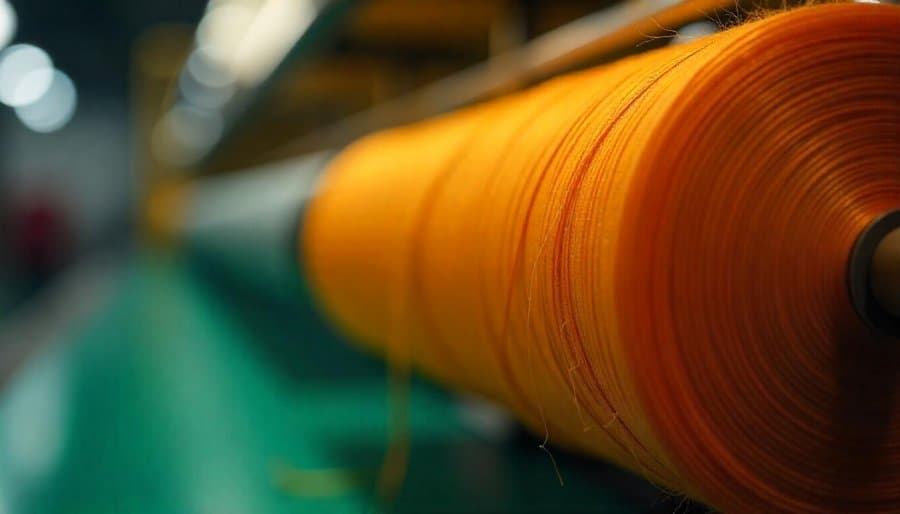
Nylon’s Birth and Evolution: From Scientific Breakthrough to Industrial Staple
Nylon’s origins trace back to a pivotal breakthrough in the 1930s, when chemists developed it as the first synthetic polyamide fiber. The goal was to create a durable, versatile alternative to natural fibers like silk, which were expensive and in limited supply. This innovation marked a turning point in materials science, opening the door to a new world of manufactured textiles. The chemical structure of nylon is composed of long chains of amide groups, which give the fiber its strength, elasticity, and resistance to wear. These properties made nylon an immediate success in industries ranging from fashion to military applications.
The production of nylon relies heavily on petrochemicals, primarily derived from oil and natural gas. The process begins with refining these fossil fuels into chemical building blocks called monomers—specifically hexamethylenediamine and adipic acid. These compounds are then reacted through a process known as condensation polymerization, where they link together to form long chains. This reaction releases water molecules and results in a polymer that can be spun into fibers for various uses. The entire process demands precise control over temperature, catalysts, and reaction conditions, making it energy-intensive and complex.
Creating nylon at an industrial scale involves transforming raw oil and gas into the monomers needed for polymerization. This involves multiple steps, including refining the fossil fuels into feedstocks and then synthesizing the key chemicals. Each stage consumes significant energy, often sourced from fossil fuels, which embeds the entire manufacturing chain within a system already linked to environmental challenges like greenhouse gas emissions and habitat disruption. The dependence on non-renewable resources means that nylon’s production is inherently tied to the broader issues associated with fossil fuel extraction and consumption.
Once the monomers are ready, they undergo polymerization in large, continuous industrial plants. These facilities heat the raw materials to high temperatures, use catalysts to accelerate reactions, and carefully manage reaction conditions to ensure consistent product quality. The resulting nylon polymer is then spun into fibers that are woven into fabrics or molded into various industrial parts. While this process produces vast quantities of nylon efficiently, it also releases pollutants—volatile organic compounds and other chemical byproducts—into the environment. These emissions contribute to air pollution and can pose health risks to nearby communities.
The popularity of nylon grew rapidly due to its low cost, durability, and versatility. It revolutionized industries, from clothing and carpets to automotive parts and industrial textiles. Its ability to withstand harsh conditions and retain shape made it a preferred choice in many applications. However, this rapid expansion also deepened society’s reliance on petrochemicals, reinforcing an environmental footprint rooted in fossil fuel dependence. Over time, concerns about pollution, resource depletion, and climate change have cast a shadow over nylon’s widespread use.
Despite its many advantages, the durability that makes nylon so useful also complicates its disposal. Unlike natural fibers, nylon does not biodegrade readily. Instead, it persists in landfills for centuries, slowly fragmenting into microplastics—tiny particles that easily become airborne or wash into waterways. These microplastics are ingested by marine and land animals, often causing injury, reproductive issues, or death. As they enter the food chain, they eventually reach humans, raising serious health concerns. This long-lasting environmental presence underscores the need to rethink nylon’s role in a sustainable future.
The history of nylon reflects both technological innovation and environmental oversight. Its development was driven by a desire for new materials that could meet the demands of a modern, industrialized world. Yet, as production scaled up, the environmental costs—emissions, pollution, and waste—became increasingly evident. The reliance on fossil fuels not only contributed to climate change but also created a cycle of extraction and pollution that is difficult to break. Today, this legacy prompts ongoing efforts to develop recycled nylons, bio-based alternatives, and more sustainable manufacturing practices to mitigate nylon’s environmental impact.

The Ecological Toll: Confronting the Environmental Challenges of Nylon Lifecycle
The environmental challenges of nylon stretch across every stage of its lifecycle, revealing a web of ecological impacts that are often overlooked. From the moment raw materials are extracted to the waste that accumulates long after use, nylon’s dependence on fossil fuels and complex chemical processes leaves a significant footprint. Extracting oil and natural gas releases greenhouse gases that contribute directly to climate change, tying nylon production to the broader crisis of global warming. This reliance on non-renewable resources means that every step in the process is intertwined with environmental degradation, from habitat destruction to air and water pollution.
During manufacturing, the chemical synthesis of nylon produces a variety of toxic byproducts and volatile organic compounds. These emissions often escape into the atmosphere or leach into nearby water sources, contaminating ecosystems and risking public health. In many cases, factories are located close to vulnerable communities, where residents may suffer from respiratory problems or other health issues linked to pollution. The release of these pollutants also contributes to smog formation and climate-altering greenhouse gases, compounding nylon’s environmental toll. Despite advances in pollution control, chemical runoff and airborne toxins remain persistent problems, especially in regions with lax regulations or enforcement.
Once in use, nylon’s durability becomes problematic at the end of its lifecycle. Its resistance to biodegradation means that discarded nylon items linger in landfills for centuries, gradually breaking down into microplastics—tiny particles less than five millimeters in size. These microplastics are easily transported by wind and water, infiltrating ecosystems far from their original source. Marine animals mistake these particles for food, often ingesting them and suffering internal injuries, reproductive failures, or death. Land animals and even plants are affected as microplastics enter soil and waterways, disrupting ecosystems and blurring the boundaries between land and sea.
The pollution does not stop at physical debris. The production and disposal of nylon involve the use of harmful chemicals that can seep into soil and water over time. These substances, including residual monomers and processing agents, may persist in the environment, accumulating in the food chain. As they bioaccumulate, they pose long-term health risks to humans and wildlife alike. Chemical contaminants from nylon manufacturing can impair reproductive systems, cause developmental issues, or increase cancer risks. These hazards highlight how nylon’s chemical footprint extends well beyond its initial use, affecting ecosystems and communities in ways that are often invisible but deeply damaging.
Managing nylon waste presents a formidable challenge due to its persistent nature. Because it does not biodegrade readily, nylon fragments into microplastics that are nearly impossible to recover once dispersed. These tiny particles can travel vast distances via ocean currents, wind, and waterways, contaminating even remote ecosystems. The microplastics become embedded in the food chain, ingested by fish, shellfish, and other marine life, ultimately reaching humans through seafood consumption. This cycle of pollution is difficult to control and requires systemic change, including more effective waste management, increased recycling efforts, and the development of biodegradable alternatives.
Addressing nylon’s environmental challenges demands a comprehensive approach that considers its entire lifecycle. From reducing fossil fuel dependence and tightening pollution controls during manufacturing to developing sustainable alternatives and improving waste management, each step offers opportunities for mitigation. Recycled nylon and bio-based synthetics represent promising solutions, but they require systemic shifts in industry practices and consumer behavior. Recognizing the interconnectedness of these issues helps drive policies and innovations aimed at minimizing nylon’s ecological footprint—transforming a material once celebrated for its utility into one that aligns better with a sustainable future.
