Embarking on your first camping adventure may seem intimidating, but can cultivating the right mindset transform uncertainty into excitement? This guide reveals how a positive, flexible attitude turns potential obstacles—like gear mishaps or unpredictable weather—into opportunities for growth and discovery. By focusing on small successes, such as pitching a tent or spotting wildlife, beginners build confidence while embracing imperfections as part of the journey. Practical tips on preparation, safety, and organization lay the foundation for a smooth experience, while fostering patience and curiosity deepens connection to nature. How can approaching outdoor challenges with openness and humor create lasting memories? This approach makes each trip more than just a getaway—it becomes a stepping stone to lifelong outdoor adventures. Ultimately, the key lies in viewing setbacks as learning moments, turning initial trepidation into enthusiasm and setting the stage for future explorations.
Harnessing a Positive Mindset for Your First Camping Adventure
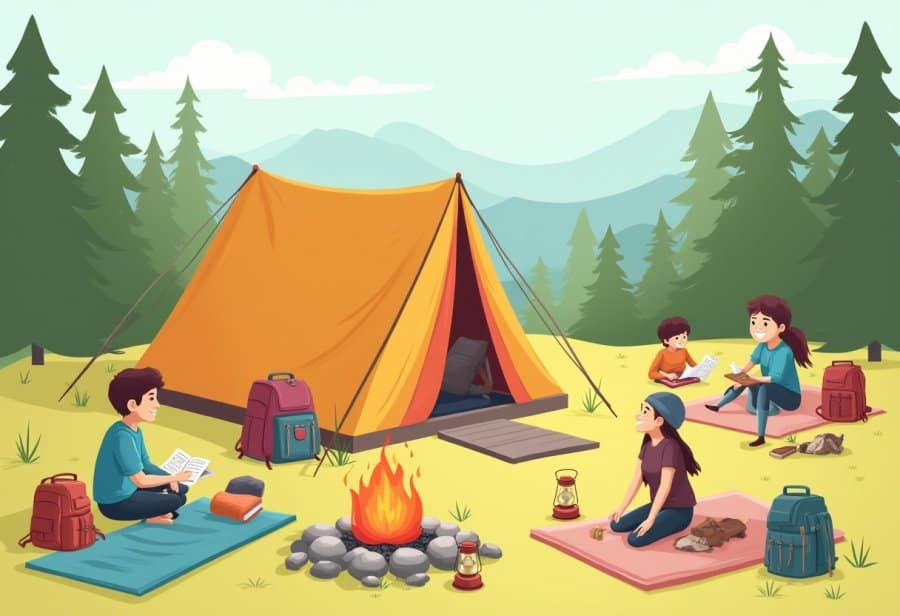
Starting your first camping trip can feel a little intimidating, but the right mindset makes all the difference. Approaching the outdoors with a positive attitude transforms what might seem like a challenge into an exciting adventure. When you’re relaxed and curious rather than anxious, you become more adaptable to surprises—whether it’s an unexpected rainstorm, a forgotten item, or a tricky campsite setup. This mental shift helps you stay patient and flexible, turning potential frustrations into chances to learn and enjoy the moment.
Having the right camping mindset isn’t about achieving perfection; it’s about embracing the process of discovery. Mistakes like misreading a map or struggling with your tent are normal parts of getting comfortable outdoors. Each small victory, like successfully pitching your tent or cooking a simple meal, boosts your confidence and encourages you to explore more. Viewing setbacks as opportunities to grow keeps the experience fun and rewarding, no matter how many times things don’t go exactly as planned.
Concerns about the unknown, like getting lost or bad weather, are common but don’t have to hold you back. Preparing ahead—familiarizing yourself with the area, packing essentials, and staying flexible—gives you a sense of control. Approaching your trip with curiosity instead of worry allows you to remain calm in unfamiliar situations and enjoy the process of discovery. Remember, outdoor adventures are about exploration, not perfection.
Cultivating a mindset rooted in patience, openness, and resilience sets the stage for memorable experiences. When you focus on small moments—listening to birds, feeling the breeze, sharing stories around the campfire—you create lasting memories that deepen your connection to nature. Keeping expectations realistic and accepting that things might not always go smoothly opens the door to genuine fun and meaningful connections.
The way you think about your trip influences how much you enjoy it. If you see challenges as part of the adventure, you’ll handle them with a sense of curiosity rather than frustration. This outlook makes even setbacks feel like opportunities to learn something new. When your mind is open and your attitude positive, outdoor adventures become more than just a trip—they become a foundation for many more to come.
Remember, your mindset shapes your entire experience. Approaching camping with an attitude of patience, flexibility, and curiosity transforms a potentially stressful situation into an exciting journey. The outdoors isn’t about perfection; it’s about discovery, growth, and connection. When you keep this perspective, your first camping trip becomes not just a new experience, but the start of a lifelong love for outdoor adventures.
Practical Steps to Prepare Confidently and Safely
Getting ready for your first camping trip involves practical steps that set the foundation for a confident and safe experience. Start by creating a clear essentials list—think sturdy tent, appropriate sleeping bag, reliable stove, and enough food and water. Organizing these items beforehand ensures you can find everything easily when the time comes, reducing stress and keeping the focus on enjoying your trip. Double-check your gear to confirm everything is in working order; a quick inspection of tent poles, batteries, and cooking supplies can save you trouble later.
Choosing the right location is just as important as packing. Look for beginner-friendly campsites that are close to home or in familiar parks. These spots typically offer amenities like water access, fire pits, and nearby restrooms, making your first outdoor experience smoother. Research the area in advance using maps or apps to familiarize yourself with key features such as water sources, trails, and exit points. Doing so helps you feel more in control and less anxious about unfamiliar terrain.
Planning your route and understanding the area’s layout can prevent last-minute surprises. Carry a map or GPS device and share your plans with someone you trust. Checking for park alerts or trail conditions ensures you’re prepared for weather changes or other unexpected factors. Taking these simple precautions provides peace of mind, allowing you to relax and focus on the fun rather than worrying about getting lost or caught off guard.
Safety gear should never be overlooked, regardless of the trip’s length. Pack a basic first aid kit with bandages, antiseptic, and any necessary medications. Insect repellent and weather-appropriate clothing will keep discomfort at bay. A headlamp or flashlight with extra batteries is essential for nighttime visibility, and a portable charger can keep your devices powered. Learning a few basic safety tips—like how to handle wildlife encounters or respond if you lose your way—boosts your confidence and keeps everyone safe.
Practicing with your gear before you leave makes a big difference. Set up your tent at home to get comfortable with the process, so you’re not fumbling in the dark. Organize your backpack to ensure everything fits well, and review instructions for your equipment. If possible, do a short practice hike nearby to familiarize yourself with the terrain. These steps make the outdoor environment less intimidating and help you feel more prepared and in control once you arrive at your campsite.
Keep your plans straightforward and flexible. Avoid overpacking or trying to do too much on your first trip—focus on essentials and leave room for spontaneous moments. Pack layers to adapt to changing weather and remember that the goal is to enjoy the outdoor experience, not to check off a long list of tasks. With proper preparation and a calm mindset, you’ll set yourself up for a smooth, enjoyable adventure that builds confidence and paves the way for many more outdoor explorations.
Creating Joyful Memories and Enjoying Every Moment
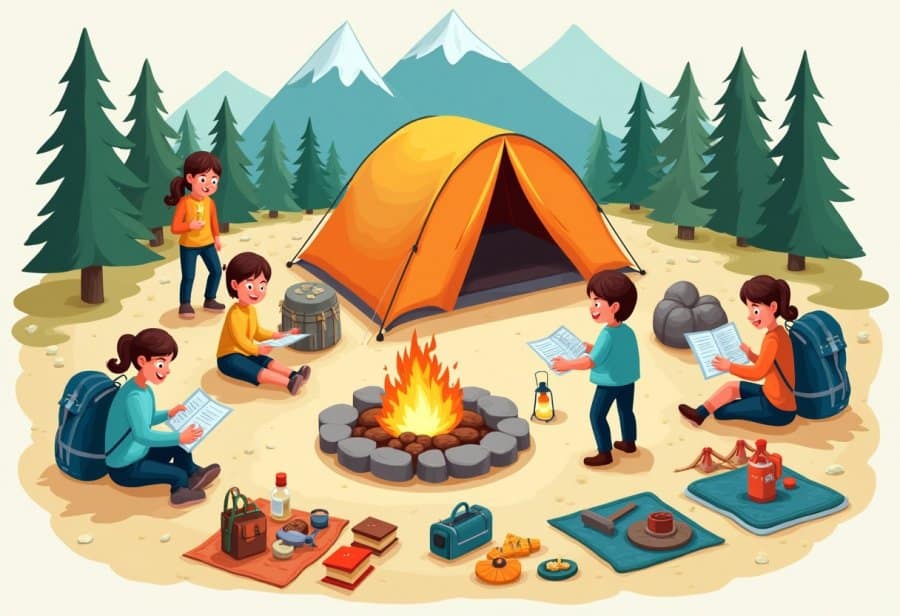
Creating a happy camping experience is all about focusing on the small moments that bring joy and foster meaningful connections. Simple activities like gathering around the campfire, playing outdoor games, or watching a sunrise can turn an ordinary trip into a treasured memory. Engaging everyone in fun, age-appropriate activities helps create a relaxed atmosphere where laughter and shared experiences flourish. Whether it’s a game of frisbee, a nature scavenger hunt, or telling stories under the stars, these moments build a sense of togetherness that makes the trip special.
Bringing along favorite snacks, outdoor toys, or a camera to capture the scenery adds to the enjoyment. These little comforts help transform a basic outdoor adventure into a cozy, familiar experience. It’s not about doing everything perfectly, but about making space for laughter, discovery, and relaxation. Approaching your trip with a positive attitude and an open mind creates an environment where everyone feels involved and valued.
Connecting with nature can be surprisingly simple and profoundly rewarding. Easy hikes, birdwatching, or stargazing deepen your appreciation for the outdoors. Finding a quiet spot away from artificial lights to lie back and watch the stars can be awe-inspiring and peaceful. These quiet moments of wonder help everyone unwind and slow down, making the experience more meaningful. Taking the time to enjoy these natural gifts turns your camping trip into a calming retreat from daily life.
Good planning also plays a key role in creating happy memories. Packing outdoor games like frisbee or cards offers instant entertainment during downtime. Sharing stories around the campfire, roasting marshmallows, or simply soaking in the surroundings encourages bonding. Bringing familiar comforts, like a favorite blanket or portable music, adds a touch of home to the outdoors. These small touches make the experience more enjoyable and help everyone feel relaxed and at ease.
Maintaining a positive outlook is essential. When things don’t go perfectly—perhaps a sudden rain or gear mishap—staying flexible and lighthearted turns setbacks into part of the adventure. Embracing surprises as opportunities for spontaneous fun keeps frustration at bay. Remember, the goal isn’t perfection but creating lasting memories, connecting with nature, and sharing good moments with loved ones. When you focus on the joy of these small experiences, camping becomes a joyful, memorable escape that sparks a love for outdoor adventures.
Boost Your Confidence and Feel at Home Outdoors
Building confidence and comfort as a new camper starts with taking small, manageable steps that steadily build your outdoor skills. Remember, everyone begins as a beginner, so it’s natural to feel a bit nervous at first. Instead of aiming for perfection, focus on learning and enjoying each new experience. Mistakes—like misreading directions, setting up your tent incorrectly, or forgetting a small item—are simply part of the process. Embracing these moments as opportunities to learn keeps your mindset positive and helps you grow more confident with each outing.
Practicing mindfulness is a powerful tool for staying calm and focused. Deep breaths and staying present in the moment can reduce anxiety about unfamiliar surroundings or activities. When your mind is clear and centered, handling surprises—such as sudden weather changes or gear issues—becomes easier. Approaching these situations with patience rather than panic turns potential stressors into chances for problem-solving and personal growth. This mental clarity makes outdoor adventures more enjoyable and less intimidating.
Practical routines also boost your confidence. Arriving early at your campsite lets you get familiar with the area—locating water sources, restrooms, and emergency exits—so you don’t feel lost once you settle in. Packing an extra layer of clothing or some snacks provides a sense of security against unexpected delays or weather shifts. These simple preparations foster independence, making you feel more in control and less reliant on others. Over time, these habits become second nature, reinforcing your outdoor comfort zone.
Knowing basic safety skills further enhances your confidence. Carrying a straightforward first aid kit and understanding how to use it equips you to handle minor injuries confidently. Learning how to identify local wildlife and respond if you get lost transforms potential worries into manageable challenges. When you’re prepared for emergencies, you can relax and enjoy your trip without constant concern. This sense of readiness empowers you to focus on the experience rather than what might go wrong.
Getting comfortable with your gear is another key step. Practice setting up your tent at home so it’s second nature on-site. Organize your backpack to ensure everything is easily accessible, and review instructions for your equipment. If possible, do a short hike nearby to familiarize yourself with the terrain. The more familiar you are with your gear and environment, the less stressful your outdoor experience becomes. Confidence grows when you know you’re prepared for what lies ahead.
Finally, pace yourself and remember to enjoy the journey. Don’t rush to do everything at once or push your limits on your first trip. Take breaks, soak in the scenery, and celebrate your progress. Recognize that building confidence takes time, and every trip offers a new opportunity to learn and feel more at ease outdoors. With patience and effort, outdoor living becomes less about fear and more about discovery, creating a foundation for many enjoyable adventures to come.
Final Tips: Embrace Challenges and Grow Your Camping Spirit
Wrapping up, the key to a successful first camping trip is your mindset. When challenges come up, viewing them as part of the adventure rather than setbacks keeps your attitude positive and your spirit curious. Whether it’s an unexpected rain, a gear hiccup, or a campsite mishap, approaching these moments with flexibility turns potential frustrations into opportunities to learn and grow. Remember, the outdoor experience is about discovery and connection, not perfection.
Building confidence begins with small steps—pitching your tent, preparing a simple meal, or navigating a trail. Each success reinforces your skills and eases anxiety, making the next adventure feel more manageable. Mistakes are inevitable, but they’re also valuable lessons that help you improve. With patience and a positive outlook, these moments become part of your outdoor journey rather than obstacles.
Preparation plays a crucial role. Knowing your gear, the area, and basic safety tips allows you to focus on enjoying the outdoors instead of worrying about what could go wrong. Arriving early, organizing your supplies, and familiarizing yourself with the surroundings set a foundation of control and calm. This preparation helps you handle surprises with confidence, making the entire experience smoother and more enjoyable.
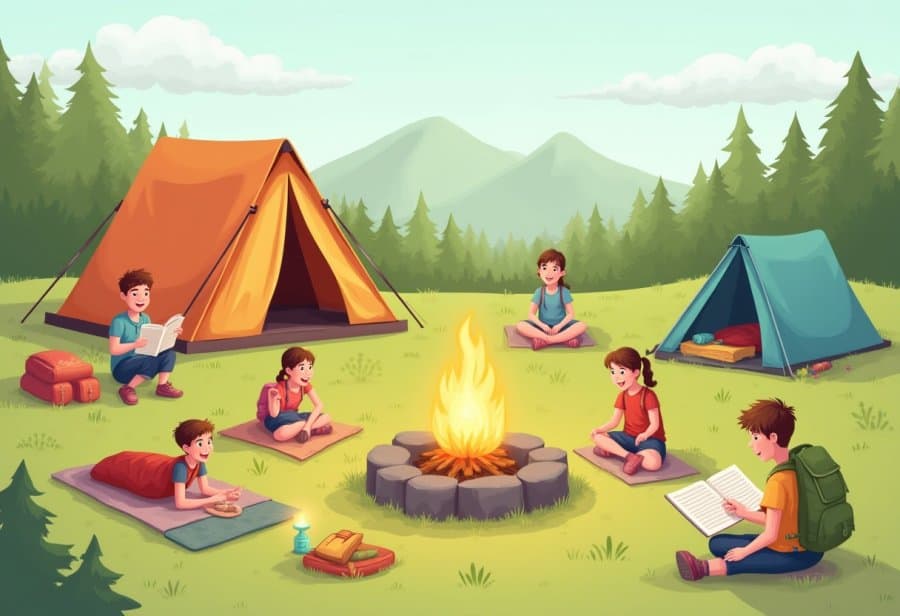
As your outdoor experiences multiply, keep expectations realistic. Not everything will go perfectly, and that’s okay. Embracing spontaneity and maintaining a sense of humor turn mishaps into memorable stories. Focus on the small joys—the sound of birds, the warmth of a campfire, the starry sky—and let those moments deepen your appreciation for nature’s simple pleasures. They’re the true rewards of outdoor living.
Reflecting on each trip helps reinforce your confidence and enhances your love for the outdoors. Celebrate your wins, no matter how minor, and view setbacks as stepping stones. With every adventure, you’ll become more comfortable and eager to explore new places and try new activities. Over time, this positive mindset transforms outdoor living from a daunting task into a lifelong source of joy and growth.
Finally, approach each camping trip with curiosity and resilience. The outdoors is a place of endless discovery, where every experience teaches you something new. When you see challenges as part of the journey, you create lasting memories filled with laughter, learning, and connection. This mindset not only makes your first trip more enjoyable but also lays the groundwork for many more rewarding outdoor adventures ahead.