Underground street racing is more than a pursuit of adrenaline—it’s a clandestine brotherhood built on trust, loyalty, and shared risk. In secret locations, racers transform their cars into personal symbols of pride, forging bonds that transcend mere competition. These relationships are cultivated through late-night tuning, mutual support, and unspoken codes, creating a community that feels more like family. Loyalty is demonstrated through acts of mentorship, reliance during dangerous moments, and unwavering support, strengthening the fabric of their shared identity. As technology advances and legal pressures mount, the scene adapts—balancing tradition with innovation—without losing its core values. But questions remain: how will this resilient brotherhood evolve amid new challenges? Will the deep bonds of trust and loyalty survive the shifting landscape of illegal racing? Ultimately, the spirit of kinship fuels their relentless pursuit of speed, keeping the underground racing scene alive, dynamic, and fiercely connected.
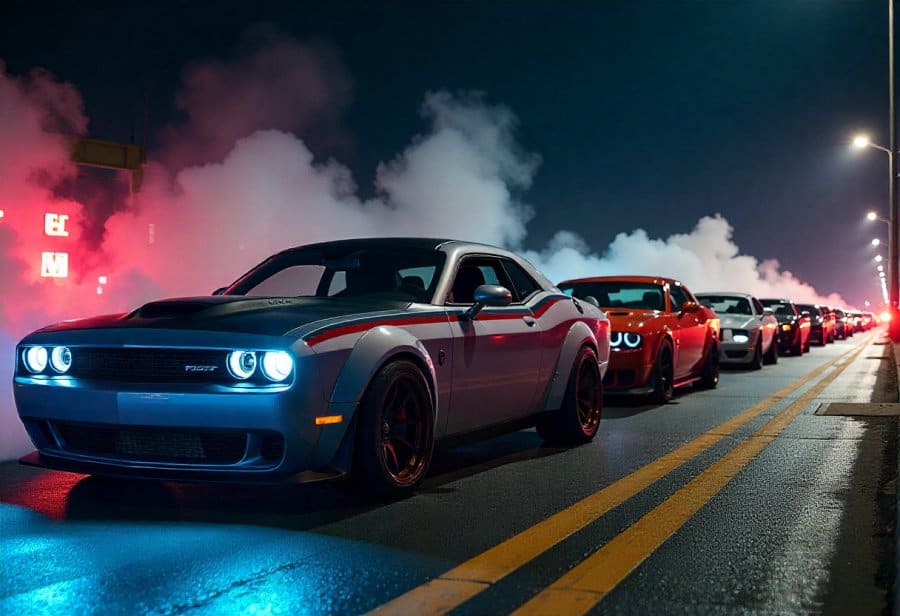
Underground Street Racing: A Brotherhood Built on Trust and Rebellion
Underground street racing is more than just a pursuit of speed; it’s a vibrant, tightly knit culture rooted in trust, loyalty, and shared adrenaline. These races unfold in secret locations—abandoned parking lots, quiet alleyways, or industrial zones—away from prying eyes and law enforcement. The atmosphere is charged with anticipation, engines roaring to life as racers prepare for their runs. It’s not solely about being the fastest; it’s about belonging to a community that values respect and camaraderie as much as performance.
At its core, underground racing embodies craftsmanship and rebellion. Drivers modify their cars with aftermarket parts, custom tunes, and unique styling, transforming machines into personal expressions of identity. These vehicles don’t just perform—they symbolize dedication, skill, and a sense of pride. The secrecy surrounding race locations and unspoken codes of conduct foster a deep sense of trust among participants, creating bonds that feel more like family ties than casual acquaintances.
This scene has grown into a cultural phenomenon that extends far beyond the thrill of competition. It’s a space where late-night tuning sessions, shared stories, and mutual support forge lasting relationships. The bonds formed during these moments often feel unbreakable, rooted in shared risks and the understanding that their safety depends on mutual trust. The chaos of night racing, in this way, becomes a collective identity—built on loyalty, support, and a sense of kinship that transcends the races themselves.
Secrecy plays a vital role in maintaining the integrity of this brotherhood. Racers go to great lengths to protect their locations and personal details, knowing that exposure could lead to legal trouble or safety risks. Passing down traditions through informal meetups, workshops, and mentorship helps strengthen their shared legacy. It’s not just about cars; it’s about safeguarding a community built on craftsmanship, mutual respect, and unbreakable bonds.
The strength of this culture lies in its people. Whether tuning engines late into the night, mentoring newcomers, or supporting each other through tense moments, every action deepens their collective loyalty. The unspoken rules—respecting secrets, supporting one another’s safety, and honoring shared values—maintain cohesion despite external pressures. These customs foster a resilient community, committed to survival and growth amid legal crackdowns and internal conflicts.
Many seasoned racers see loyalty and brotherhood as the heart of underground street racing. They believe trust is built through consistent support—helping fix a car, sharing knowledge, or backing each other up during dangerous situations. These relationships often last a lifetime, rooted in understanding that their scene’s strength depends on mutual respect and reliability. Car modifications further symbolize this connection, turning each vehicle into a moving badge of pride and shared purpose.
As the scene evolves with technological advances and societal shifts, its core principles remain unchanged. Digital tools help organize races more secretly, while innovations in car tuning push performance and style to new heights. Despite these changes, loyalty, trust, and tradition continue to define the scene. Maintaining these values will be essential for underground racing’s future, ensuring it remains a brotherhood forged in shadows but united by unbreakable bonds.
The Brotherhood of Speed: Deep Bonds Forged in Shadows
Underground street racing often feels less like a solo pursuit and more like a brotherhood forged through shared passion and unwavering trust. Racers depend on each other’s skills, judgment, and loyalty, creating bonds that extend far beyond the races themselves. These relationships are built over countless nights spent tuning engines, troubleshooting mechanical issues, and swapping stories of narrow escapes and hard-won victories. The trust among racers runs deep enough that many consider their crew to be family—partners in danger, support systems in moments of risk, and allies in a world filled with uncertainty.
Loyalty in this scene isn’t just about a love of speed; it’s about shared risks and unspoken commitments. Whether helping a teammate fix a stubborn engine or backing them up during a tense police chase, these acts of support deepen the sense of kinship. Every favor, every shared secret, strengthens the web of trust that holds their community together. It’s a loyalty rooted in action—consistent, reliable, and built through shared experiences that become the fabric of their connection.
Night racing, often conducted in secrecy, amplifies these bonds. The darkness acts as a shield, allowing racers to open up and trust each other more fully. They share more than just the adrenaline rush—they share vulnerabilities, knowing that their loyalty will see them through the chaos. The shared moments of launching into the night, navigating dangers together, and supporting each other during risky situations forge a sense of belonging that’s hard to find elsewhere.
Car culture itself becomes a symbol of this brotherhood. Racers invest heavily in modifications, turning their vehicles into extensions of their identity and loyalty. When fellow racers admire or support these builds, it reinforces pride and shared purpose. Each custom part or paint job isn’t just about style; it’s a badge of honor, a testament to years of craftsmanship and allegiance. These machines become moving symbols of their collective pride and the unbreakable bond they share.
Support and mentorship are vital threads woven into this fabric of brotherhood. Experienced racers pass down traditions, tips, and customs—keeping the core values alive across generations. Whether guiding newcomers or sharing hard-earned knowledge, they foster a culture rooted in respect and mutual growth. This ongoing transfer of wisdom sustains the scene’s integrity and reinforces the trust that keeps it thriving.
In moments of danger or uncertainty, the true strength of this kinship shines through. Racers stand shoulder to shoulder, ready to face threats together—be it law enforcement, internal conflicts, or accidents. Their loyalty isn’t just spoken; it’s demonstrated through action. This collective resilience—built on trust, shared hardships, and unwavering support—ensures that the brotherhood endures, even amid chaos.
The bonds formed through underground street racing aren’t fleeting; they are lifelong. Rooted in shared risks, common goals, and unbreakable support, these relationships turn chaotic nights into enduring connections. It’s this deep sense of kinship that transforms a high-speed pursuit into a community that’s as much about brotherhood as it is about speed, keeping the flame alive in the shadows.
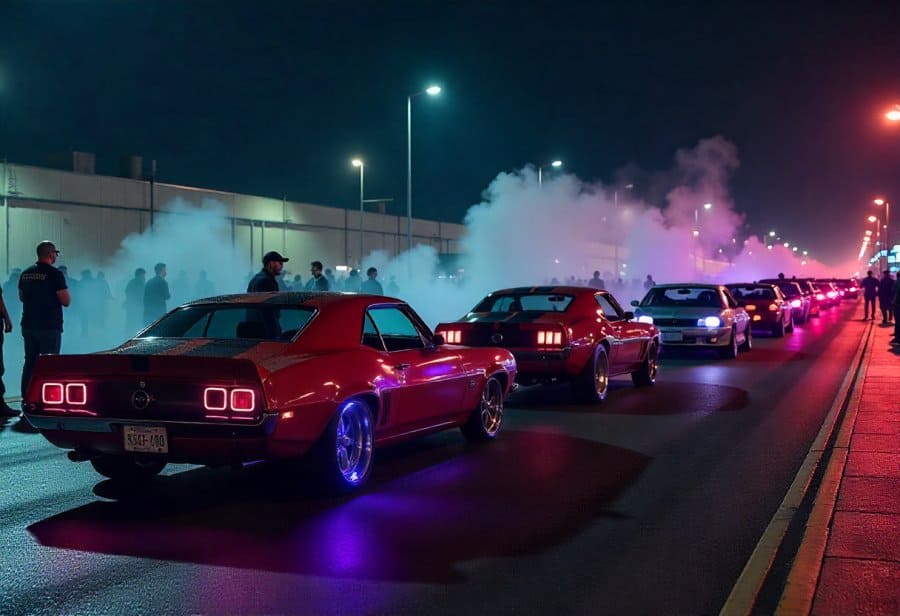
The Culture in Action: Loyalty and Brotherhood in Race and Community
In real racing scenarios and community gatherings, the principles of brotherhood and loyalty come alive through actions that go beyond mere adrenaline. During urban night races, racers rely heavily on each other’s judgment and quick support, sharing real-time updates about police activity, road hazards, or potential obstacles. This trust, built over countless shared nights, keeps everyone safe and prepared, proving that no one faces the chaos alone. At meetups or local car shows, it’s common to see crew members working side by side, helping to fine-tune engines or swap parts. These moments aren’t just about improving cars—they’re about reinforcing bonds through shared effort and mutual respect.
Supporting each other during these gatherings often extends into acts of genuine loyalty. When a teammate struggles with a tricky modification or a sudden mechanical issue, others step in without hesitation. These small acts—lending tools, sharing advice, or offering moral support—turn casual meetups into ceremonies of trust, deepening the sense of belonging. When police or other authorities threaten the scene, racers stand shoulder to shoulder, offering advice and backing each other up in tense moments. These collective acts of solidarity transform danger into a testament of their unbreakable bond.
The culture also manifests in how crews organize their races and events, often developing unique traditions rooted in discretion and support. Some rely on encrypted messaging to coordinate secretly, while others prefer word-of-mouth, emphasizing confidentiality and shared secrets. Regardless of the method, the core remains: loyalty and mutual support are what keep their community cohesive. Experienced racers pass down unwritten rules—protect race locations, respect each other’s vehicles—ensuring the scene’s integrity endures through generations. Mentorship plays a key role, with veterans guiding newcomers, sharing tips, and reinforcing shared values that uphold their brotherhood.
Cars themselves stand as symbols of loyalty and identity. Racers invest heavily in modifications, transforming their vehicles into personal expressions of commitment. When others admire or support these builds, it deepens pride and strengthens bonds. Each custom part or paint scheme isn’t just about style; it’s a badge of honor, representing years of craftsmanship and shared purpose. These machines become moving symbols of community pride, turning individual vehicles into collective emblems of loyalty and identity.
Every day, support and shared experiences weave the fabric of their brotherhood. Whether helping a teammate during a tense race, mentoring a newcomer, or respecting unspoken norms, these actions forge bonds that last a lifetime. The chaos of night racing becomes more than just a pursuit of speed—it becomes a way to build lasting relationships rooted in trust, mutual support, and shared risk. This dynamic keeps the scene alive, vibrant, and resilient, as its members race forward together, bonded by common purpose and unbreakable loyalty.
Insights from the Community: Perspectives on Loyalty and Kinship
Experienced racers and community leaders see loyalty and brotherhood in underground street racing as the heartbeat that keeps the scene alive. They often emphasize that trust isn’t built overnight but through consistent support—whether it’s helping a teammate fix a car late at night or backing them up during a tense race. These bonds are forged over years of shared risks, hardships, and moments of reliance, transforming individual drivers into a close-knit family that extends beyond the track.
For many, loyalty isn’t just about the thrill of high speeds; it’s about protecting each other’s safety and reputation. Acts of support—lending tools, sharing knowledge, or standing by during police chases—are what reinforce the deep trust that underpins this community. Such actions create a web of dependability, making every member feel valued and understood. This mutual backing ensures that the brotherhood endures, especially when external pressures threaten to fracture it.
Veteran racers often speak about passing down traditions and unspoken rules that sustain the scene’s cohesion. Respecting race locations, maintaining secrecy, and honoring each other’s vehicles aren’t just customs—they’re the glue that keeps this brotherhood intact. Mentorship plays a crucial role here too; seasoned drivers guide newcomers with advice and support, reinforcing core values that uphold the scene’s integrity. This ongoing transfer of knowledge and trust keeps the community resilient through changing times.
Car culture itself acts as a symbol of loyalty. Racers invest heavily in modifications, turning their vehicles into personal banners of commitment. When others admire or support these builds, it deepens a sense of pride and shared purpose. Each custom part or paint job isn’t just about style—it’s a badge of honor, a testament to years of craftsmanship and allegiance. These machines become moving emblems of community pride, reinforcing bonds that transcend individual achievement.
Support extends beyond technical help; it’s about standing shoulder to shoulder in moments of danger and uncertainty. Whether during police chases or internal conflicts, racers rely on each other’s judgment and backing. These acts of solidarity—big or small—strengthen their collective resilience, turning risky situations into demonstrations of unwavering loyalty. Such shared experiences forge a trust that’s as solid as steel, holding the brotherhood together amid chaos.
At its core, this loyalty isn’t fleeting. It’s built through shared hardships and mutual support, creating lifelong relationships rooted in unbreakable bonds. These connections transform chaotic nights into lasting friendships, making the scene more than just a high-speed pursuit—it’s a community that thrives on trust, respect, and loyalty. In the shadows of the streets, this brotherhood keeps racing forward, stronger than ever.

Conclusion & Future Directions: Navigating Innovation and Tradition
As underground street racing continues to evolve, new technologies and shifting cultural attitudes are shaping its future. Digital tools like encrypted messaging apps and social media platforms now enable racers to organize events more discreetly, helping them stay connected despite increasing legal scrutiny. At the same time, advancements in car modifications—such as digital tuning software, lightweight materials, and high-performance parts—are pushing the boundaries of speed and style, allowing racers to express their individuality more vividly. These innovations deepen the connection between driver and machine, fueling a sense of pride and identity within the scene.
However, with progress come new challenges. As the risks of illegal racing grow, more communities are emphasizing safety and responsibility. Some organizers are exploring ways to create more structured events that retain the underground spirit while reducing danger, blending tradition with innovation. Promoting proper vehicle maintenance, encouraging realistic limits, and fostering awareness help balance adrenaline with safety, ensuring the scene’s resilience.
The core values—loyalty, trust, and brotherhood—remain central despite these changes. They serve as the foundation that keeps the community cohesive amid external pressures and internal conflicts. Maintaining these principles will be vital as technology and societal attitudes shift, allowing the scene to adapt without losing its identity. The bonds formed through shared risks and mutual support continue to be the heartbeat of underground racing, fostering a sense of belonging that transcends the chaos of the streets.
Looking ahead, the scene might see a blend of its underground roots with broader acceptance. Increased mentorship programs, safety initiatives, and community outreach could open the door for more newcomers while preserving the scene’s integrity. Respect for tradition, combined with responsible innovation, can help sustain its vitality and inclusivity, ensuring that the brotherhood endures for generations to come.
Technology will likely play an even greater role, with secure communication channels and advanced tuning tools enabling racers to stay ahead of threats and push performance limits. Yet, the risks—legal crackdowns, accidents, internal disagreements—will persist. The scene’s longevity depends on members’ ability to balance the thrill of racing with a shared commitment to safety and mutual support.
Ultimately, the future of underground street racing hinges on its community’s resilience and adaptability. By safeguarding the unspoken codes that define their brotherhood, members can face new challenges head-on. The bonds forged in shadows and shared in risks will continue to fuel their passion, keeping the spirit of high-octane kinship alive and racing forward into whatever lies ahead.

