Transforming Toronto yards into captivating outdoor retreats is about more than aesthetics—it’s a delicate balance of beauty, sustainability, and personal expression. How can homeowners create spaces that nourish the soul while respecting the environment? This guide explores innovative landscape design rooted in Toronto’s unique climate and cultural diversity, highlighting native plants, eco-friendly materials, and smart technology. From designing versatile zones that maximize limited space to incorporating indigenous practices and modern innovations, the process emphasizes harmony between functionality and artistry. As climate challenges grow, future landscapes will need to be adaptable, resilient, and deeply personalized. Will technological advances and ecological stewardship redefine outdoor living in Toronto? The journey promises outdoor sanctuaries that inspire, endure, and reflect the vibrant city’s evolving identity—spaces where every visit reconnects us with nature and each other.
Transform Your Toronto Outdoor Space with Expert Landscape Design
Looking to elevate your Toronto home’s exterior? Toronto Landscape & Design (TLD) offers exceptional services including natural stone installations, water gardens, irrigation systems, and retaining walls. Our award-winning designers take everything into consideration to create stunning, functional landscapes tailored to your needs. Whether you’re dreaming of a serene water feature or a durable retaining wall, we specialize in transforming outdoor spaces into beautiful retreats. Discover how a backyard makeover by TLD can enhance your property’s beauty and value. Reach out today via email at [email protected] or call 1.416.644.0499 to start your project.
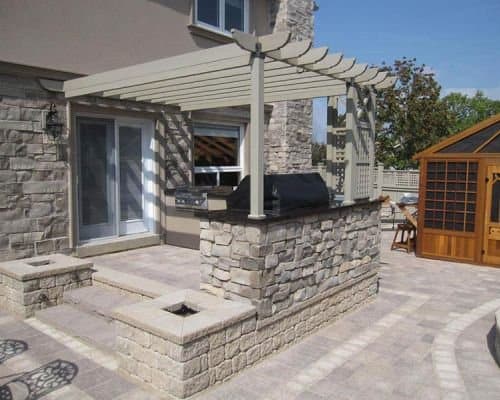
Transform Your Toronto Yard Into a Sustainable Outdoor Sanctuary
Transforming a Toronto yard into a beautiful outdoor retreat goes beyond simply adding plants or installing features. It’s about creating a space that balances visual appeal, functionality, and environmental responsibility—one that enhances daily life while respecting the local ecosystem. With limited outdoor space in urban settings, making thoughtful choices can turn a small backyard into a personal sanctuary, an outdoor entertaining area, or a low-maintenance retreat that continues to impress over time.
Achieving this balance requires careful planning. Selecting native plants that thrive in Toronto’s climate reduces water use and chemical dependencies, supporting sustainable practices. Choosing durable, eco-conscious materials for pathways, patios, and fencing ensures longevity and minimal environmental impact. Designing zones within the yard—such as a cozy seating nook or a lush garden bed—adds versatility and helps maximize the space’s potential.
Creating an outdoor space that is both beautiful and sustainable also involves integrating practical features like rainwater harvesting systems or permeable paving. These elements help manage stormwater runoff, conserve resources, and reduce pollution. When seamlessly incorporated into the landscape, they support a low-maintenance yard that ages gracefully and remains vibrant through Toronto’s shifting seasons.
This process begins with understanding the homeowner’s needs and preferences. Clear communication early on helps identify whether they want a peaceful garden, a lively gathering spot, or a combination of both. This foundation guides every decision, ensuring the final design aligns with their lifestyle and aesthetic desires. It also sets the stage for a smooth installation, where careful craftsmanship brings the vision to life.
A well-designed outdoor retreat is a reflection of both the natural environment and personal style. It’s an evolving space that adapts to Toronto’s weather, with plants and features chosen for resilience and beauty. The goal is to craft an outdoor area that feels inviting, functions effortlessly, and supports eco-friendly goals—all while feeling uniquely tailored to the homeowner’s taste.
Ultimately, transforming a yard into a stunning outdoor retreat is about more than aesthetics. It’s about creating a harmonious environment that nourishes the spirit, supports sustainability, and adds lasting value to your home. When design and practicality work hand in hand, every visit to your backyard becomes an opportunity to reconnect with nature and enjoy a space built to inspire and endure.
Tracing the Roots of Toronto’s Landscape Design Evolution
Landscape design in Toronto has evolved significantly, shaped by the city’s unique environment and the changing tastes of its residents. Early efforts prioritized hardy native plants that could withstand Toronto’s cold winters and short growing seasons. This focus created landscapes that were resilient and low-maintenance, laying a practical foundation for urban outdoor spaces.
As Toronto’s population grew and its cultural diversity expanded, landscape practices began shifting toward more creative and personalized designs. Designers experimented with a broader range of plantings and materials, blending functionality with aesthetic appeal. This evolution allowed outdoor spaces to become reflections of individual identity and city diversity, moving beyond mere survival to vibrant expressions of style.
In recent decades, sustainability has become a core value in Toronto’s landscape approach. Native plants, eco-friendly materials, and water-efficient systems are now standard features. These choices support local ecosystems and reduce resource consumption, making landscapes more resilient and environmentally responsible. This shift has transformed yards into spaces that are not only beautiful but also integral to ecological health.
Toronto’s climate has profoundly influenced these design choices. The city’s cold winters, unpredictable weather, and occasional droughts mean selecting plants that can endure frost, drought, and temperature fluctuations. Native species, naturally adapted to local conditions, require less water and chemicals, ensuring long-term success with minimal intervention.
Innovative practices like permeable paving, rainwater harvesting, and organic soil amendments have emerged as solutions to urban environmental challenges. These methods help manage stormwater runoff, improve soil health, and reduce pollution—creating landscapes that are both functional and sustainable. They exemplify how Toronto landscapes are increasingly designed with environmental resilience in mind.
Cultural influences also shape the city’s landscape development. From Indigenous practices to Japanese Zen gardens and Mediterranean terraces, Toronto’s diverse communities bring a rich tapestry of gardening traditions. Incorporating these elements adds depth and meaning to outdoor spaces, making them unique and deeply personal.
Understanding this history of adaptation and innovation clarifies why Toronto’s landscapes today are both resilient and diverse. They are rooted in practicality but also embrace creativity, reflecting the city’s evolving identity. This balanced foundation enables designers to craft outdoor spaces that are not only beautiful but also capable of enduring Toronto’s climatic and cultural shifts.
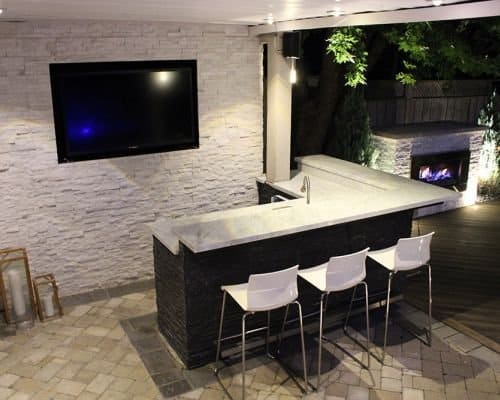
Current Trends Shaping Toronto’s Outdoor Spaces Today
Contemporary landscape design in Toronto blends innovation with eco-conscious principles to craft outdoor spaces that are both visually striking and highly functional. Today’s designers emphasize native plants and sustainable materials, reducing environmental impact while ensuring resilience amid Toronto’s unpredictable weather. Features like smart irrigation, permeable paving, and organic soil amendments are now standard, helping yards conserve resources and withstand seasonal shifts with ease.
A key trend is the seamless integration of outdoor living areas with indoor spaces. Large sliding doors, open patios, and multi-purpose zones foster a fluid connection, making yards feel larger and more inviting. This approach encourages versatility—whether for relaxing, entertaining, or working outdoors—while reflecting personal style. Many homeowners draw inspiration from diverse cultural traditions, creating unique retreats that mirror their identity and heritage.
Eco-friendly innovations are transforming landscapes into eco-resilient environments. Rainwater harvesting systems, drought-tolerant native plants, and organic mulches support water conservation and soil health. Meanwhile, advances in outdoor lighting and durable furniture prioritize energy efficiency and longevity, elevating both aesthetic appeal and usability. These features help outdoor spaces become true extensions of the home that require less maintenance and fewer resources.
Design philosophies today focus equally on beauty, practicality, and sustainability. Landscaping layouts are crafted to withstand Toronto’s cold winters and climatic fluctuations, with plant selections and materials chosen for durability. Seasonal adaptability is built into the plan, ensuring outdoor retreats look vibrant and function well year-round. This balanced approach results in spaces that are low-maintenance but rich in visual and experiential value.
Technology plays an increasing role in shaping modern landscapes. Automated irrigation, energy-efficient lighting, and modular furniture allow homeowners to manage their outdoor spaces effortlessly. Visualization tools like augmented reality help clients preview designs, reducing costly revisions and aligning expectations early. Such innovations make the process smoother and more interactive, fostering deeper client engagement.
Cultural influences add further depth, as Toronto’s diverse community brings a mix of gardening traditions—from Japanese Zen gardens to Mediterranean terraces and Indigenous practices. Incorporating these elements enriches the aesthetic and fosters a genuine connection between homeowners and their landscapes. These personal touches transform outdoor spaces into meaningful and inspiring environments.
Overall, Toronto’s landscape design today champions a harmony of innovation, ecological responsibility, and personalization. By embracing sustainable practices and technological advancements, designers create outdoor retreats that are striking, durable, and aligned with environmental goals. This holistic approach ensures each yard not only enhances the home but also contributes to a healthier, more resilient city—spaces that inspire, soothe, and endure for generations to come.
Practical Strategies for Crafting Beautiful, Eco-Friendly Yards
Designing a stunning and sustainable yard in Toronto begins with a clear understanding of the homeowner’s needs and preferences. Open communication early in the process helps identify whether they’re seeking a peaceful garden, an entertaining space, or a low-maintenance landscape. This foundation ensures that every decision—from plant choices to layout—aligns with their lifestyle and aesthetic goals, making the project smoother and more rewarding.
Choosing native plants that thrive locally is essential. These species are naturally adapted to Toronto’s climate, requiring less water, fewer chemicals, and minimal upkeep. Incorporating them creates a resilient landscape capable of withstanding cold winters and hot summers, ensuring year-round vibrancy without excessive effort or expense. This approach supports both sustainability and long-term beauty.
Eco-friendly materials play a crucial role in reducing environmental impact. Permeable pavers, organic soil amendments, and biodegradable edgings help manage stormwater runoff, improve soil health, and conserve resources. Thoughtful selection and placement of these elements lay a sturdy foundation for a landscape that ages gracefully and remains low-maintenance, even as seasons change.
Modern tools like landscape design software enable homeowners and designers to visualize ideas before installation. These digital models allow for experimenting with layouts, plant combinations, and features, making adjustments early and avoiding costly mistakes. This process fosters clearer communication, ensuring everyone shares the same vision from the outset and leading to a seamless transition from concept to reality.
Effective project management involves breaking the work into phases—planning, material selection, installation, and finishing. Regular check-ins and updates keep the project on track, within budget, and aligned with the initial design goals. Clear timelines and close coordination help prevent delays and ensure a smooth, efficient process, resulting in a finished yard that exceeds expectations.
Attention to detail during installation makes a significant difference. Proper soil preparation, precise planting, and thoughtful feature placement promote healthy growth and aesthetic appeal. Addressing drainage issues early prevents water pooling, while selecting plants suited to each specific spot encourages longevity and vibrancy. Small, deliberate steps like these ensure the landscape performs well and looks great over time.
Incorporating innovative features elevates the outdoor retreat’s appeal and functionality. Smart irrigation systems optimize water use, outdoor lighting extends usability into the evening, and modular furniture creates versatile zones for different activities. These enhancements make the yard more inviting and practical, reinforcing the balance of beauty and sustainability that defines a successful outdoor space.

Looking Ahead: Innovations and Sustainability in Toronto’s Outdoor Retreats
Looking ahead, the future of outdoor retreats in Toronto promises to be even more innovative and environmentally responsible. Advances in eco-friendly materials, such as biodegradable composites and native plant varieties, will help create landscapes that are both resilient and low-maintenance. Smart technology—like automated irrigation, solar-powered lighting, and climate-responsive systems—will continue to evolve, making outdoor spaces easier to manage while reducing resource consumption. These innovations will enable homeowners to maintain beautiful yards with less effort, all while supporting sustainability goals.
As climate change introduces new challenges, landscape design will need to become more adaptable. Designers are increasingly focusing on selecting climate-resilient plants and developing flexible layouts that can handle shifting weather patterns. This shift toward adaptive design aims to keep outdoor retreats vibrant and functional, regardless of future environmental fluctuations. Prioritizing native species and water-efficient practices will be essential in crafting spaces that endure Toronto’s changing climate without sacrificing beauty or usability.
Personalization will also grow in importance, with homeowners seeking outdoor spaces that reflect their cultural backgrounds and individual stories. Expect to see more integration of Indigenous planting practices, traditional design elements, and multicultural influences that deepen the connection between people and their landscapes. These touches turn yards into meaningful expressions of identity, transforming them from mere visual settings into personal sanctuaries.
Technology’s role will expand further, offering tools like augmented reality to help clients visualize their spaces before installation begins. Such innovations reduce costly revisions, align expectations, and foster a more collaborative design process. Meanwhile, sustainable practices like rain gardens, permeable pavements, and organic soil amendments will become standard features, supporting local ecosystems and minimizing environmental impact.
Practitioners and homeowners will share the responsibility of shaping this evolving landscape. Embracing sustainable principles, leveraging emerging technologies, and prioritizing resilience will lead to outdoor spaces that are not only beautiful but also serve as models of responsible urban living. The goal remains clear: to craft retreats that inspire, protect, and endure, enriching lives now and for generations to come.
By committing to ongoing innovation and ecological stewardship, Toronto’s outdoor spaces will continue to flourish. These developments promise yards that are more than just attractive—they will be vital components of a healthier, more resilient city. As design practices advance, outdoor retreats will evolve into inspiring environments that nourish both the environment and the human spirit, fostering a deeper connection to nature amid urban life.