Transforming Toronto yards into lush, sustainable retreats is both an art and a science—balancing beauty, environmental responsibility, and client satisfaction. How can homeowners and landscapers craft outdoor spaces that are visually stunning yet resilient enough to withstand Toronto’s seasonal extremes? This guide explores innovative strategies like native plantings, permeable paving, and rain gardens that naturally manage stormwater while supporting local biodiversity. It delves into design principles that seamlessly merge aesthetics with eco-conscious practices, creating landscapes that thrive with minimal maintenance. From detailed site assessments to thoughtful material choices, every step is geared toward ensuring long-term success. With emerging technologies and growing awareness of ecological impact, future landscapes promise to be more adaptable, productive, and vibrant. Can these principles transform ordinary yards into vital ecosystems that nurture both people and the planet? The answer lies in the careful integration of artistry and sustainability—where outdoor spaces become personal sanctuaries and environmental assets.
Transform Your Toronto Outdoor Space with Expert Landscaping
Looking to elevate your outdoor area in Toronto? Toronto Landscape & Design (TLD) specializes in creating stunning natural stone features, water gardens, irrigation systems, and retaining walls that transform any backyard. Our award-winning designers take everything into consideration, ensuring each project is tailored to your unique environment and style. Whether you’re envisioning a peaceful water garden or a durable retaining wall, our team delivers exceptional craftsmanship and innovative solutions. Discover how a backyard makeover can boost your home’s beauty and functionality. For consultations, contact [email protected] or call 1.416.644.0499 today and start your journey to the perfect outdoor oasis.
Transforming Toronto Yards into Sustainable Outdoor Retreats
Transforming Toronto yards into beautiful, sustainable outdoor retreats is both an exciting challenge and a meaningful opportunity. With limited space and a diverse climate, homeowners and landscapers need to think creatively to craft outdoor areas that are as functional as they are visually appealing. The goal is to design spaces that feel like an extension of the home—perfect for relaxing, entertaining, and connecting with nature—while also supporting environmental health.
One of the biggest hurdles in Toronto is working within small or irregularly shaped lots. Making the most of every inch requires smart planning and thoughtful choices, such as selecting native plants that thrive locally and require less water. Balancing lush gardens, patios, and natural features with sustainability goals can be complex, especially when considering seasonal changes and weather extremes. Eco-friendly materials that withstand Toronto’s cold winters and humid summers help ensure landscapes remain resilient and low-maintenance over time.
The city’s climate adds an extra layer of complexity. Winters bring cold temperatures and snow, while summers can be humid and hot. Designing landscapes that can handle these extremes involves choosing native plants adapted to local conditions and incorporating features like rain gardens and permeable paving to manage stormwater naturally. These strategies not only make yards more resilient but also contribute to healthier, more sustainable outdoor spaces that support local ecosystems.
Transforming yards isn’t just about aesthetics; it’s about creating environments that support long-term sustainability. This includes conserving water, promoting biodiversity by attracting native pollinators, and reducing chemical use. More residents are recognizing that outdoor spaces can be vital parts of their homes—areas that enhance well-being and ecological balance—especially when built with eco-conscious principles in mind.
The process begins with a thorough site assessment—understanding soil, sunlight, and existing features—and continues through detailed planning, material selection, and careful installation. Every step is focused on aligning the client’s vision with broader sustainability goals. When done thoughtfully, transforming Toronto yards into outdoor retreats becomes more than a trend; it reflects a shift toward designing spaces that are beautiful, resilient, and environmentally responsible.
Core Principles of Eco-Friendly Landscape Design
Sustainable landscape design centers on creating outdoor spaces that are both beautiful and environmentally responsible. A key principle is selecting native plants suited to Toronto’s specific climate and soil conditions. These plants tend to require less water, fertilizers, and pesticides, making them easier to maintain and better for local ecosystems. Incorporating native species also supports biodiversity by attracting pollinators and wildlife, which helps maintain a balanced and healthy environment.
Resource efficiency is another cornerstone. Using permeable paving allows rainwater to seep into the ground naturally, reducing runoff and preventing erosion. Smart irrigation systems that adjust watering based on weather conditions help conserve water without sacrificing lushness. Eco-friendly materials—such as recycled pavers, sustainably sourced wood, and non-toxic paints—further lower environmental impact and support a greener approach to outdoor renovation.
Design resilience is vital, especially given Toronto’s seasonal extremes. Native plants are naturally better equipped to handle harsh winters and humid summers, requiring less intervention and chemical treatments. Features like rain gardens and green roofs not only manage stormwater naturally but also boost biodiversity and add visual appeal. These elements help landscapes adapt over time, ensuring they remain vibrant, functional, and sustainable despite climate shifts.
Balancing aesthetics with ecological integrity involves thoughtful planning. Layered plantings—combining shrubs, perennials, and ground covers—create depth and texture while supporting native species that thrive with minimal resources. Natural materials like rocks, wood features, and permeable pathways enhance visual appeal and improve stormwater management, making outdoor spaces more inviting and environmentally friendly.
Understanding client preferences is crucial to integrating eco-friendly practices seamlessly. Whether a homeowner desires a low-maintenance garden, a space for entertaining, or habitat creation, tailoring designs to these needs ensures functionality alongside sustainability. When eco-conscious principles guide the process, landscapes become resilient and visually appealing, reflecting both personal style and environmental values.
Choosing the right materials and plants is a careful process. Local, recycled, or sustainably harvested options reduce environmental impact and contribute to a sense of place. Proper soil preparation and strategic plant placement ensure long-term success, especially in challenging conditions like poor soil or limited sunlight. This meticulous approach guarantees that every element supports the landscape’s durability and ecological goals.
Finally, ongoing maintenance and mindful management are essential to sustain the benefits of eco-friendly landscapes. Regular inspections, adjusting irrigation, and replacing plants as needed keep the yard thriving. By embedding these principles into every phase—from planning to installation—designers help homeowners enjoy outdoor spaces that are as sustainable as they are stunning, ensuring that beauty and environmental responsibility go hand in hand.
Creating Visually Stunning, Environmentally Responsible Yards
Creating yards that are both visually stunning and environmentally responsible hinges on thoughtful design choices that harmonize beauty with sustainability. Layering different plant types—such as shrubs, perennials, and ground covers—can add depth and texture while supporting native species that require less water and fewer chemicals. These plantings not only create a lush, inviting atmosphere but also help preserve local biodiversity, attracting pollinators and wildlife essential to a healthy ecosystem.
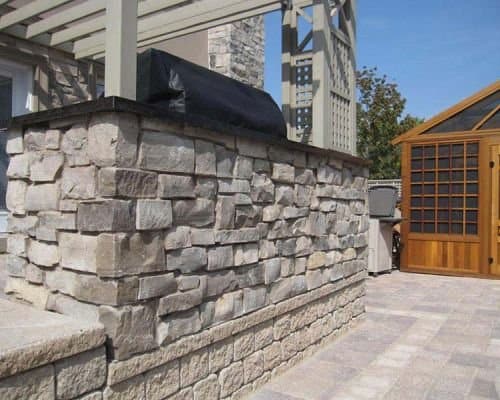
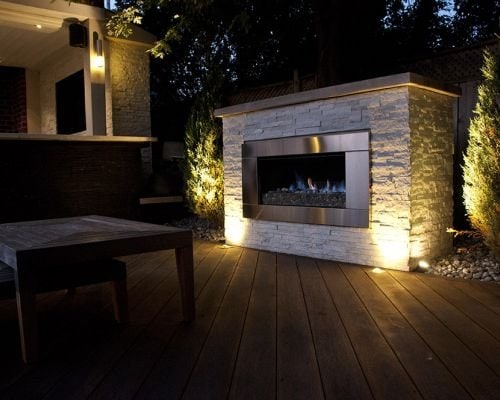
Incorporating natural elements like rocks, wood features, and permeable paving enhances visual interest and plays a crucial role in stormwater management. These materials help reduce erosion and runoff, making the landscape more resilient to Toronto’s seasonal weather swings. Using eco-friendly options like recycled pavers or sustainably sourced timber allows for sleek pathways and focal points that don’t compromise environmental principles, blending form and function seamlessly.
Designing multi-purpose spaces maximizes both aesthetic appeal and practicality. A patio or seating area can serve as an inviting spot for gatherings, while nearby native plantings or rain gardens provide ecological benefits. Focal points such as a water feature or sculpture draw attention and create a sense of harmony, making the yard feel curated rather than cluttered. The key is to craft an environment that feels natural yet intentional.
Material choices are critical in balancing style with sustainability. Eco-friendly options like recycled concrete or non-toxic finishes contribute to a modern, polished look while reducing environmental impact. Well-chosen materials also tend to last longer, resisting Toronto’s weather extremes and lowering maintenance needs over time. This strategic selection supports a landscape that remains beautiful and functional year after year.
Resilience is vital, especially considering Toronto’s climate challenges. Native plants naturally adapt to local conditions, thriving with minimal intervention and chemical use. Integrating features like rain gardens and green roofs not only manages stormwater efficiently but also boosts biodiversity and adds visual layers to the landscape. These elements create a dynamic, adaptable outdoor space capable of withstanding changing environmental pressures.
Achieving the right balance often requires close collaboration with clients. Understanding their lifestyle, style preferences, and environmental goals helps tailor designs that are both beautiful and sustainable. Whether the priority is a low-maintenance garden, an outdoor entertaining area, or habitat creation, aligning these needs with eco-friendly principles ensures the final space is functional and enduring.
Effective implementation depends on meticulous planning and execution. Proper site assessment, strategic plant positioning, and careful material selection lay the foundation for success. Incorporating natural elements thoughtfully and maintaining flexibility during construction allows for adjustments that enhance the landscape’s resilience and aesthetic appeal. This hands-on approach guarantees the project’s ecological and visual goals are met.
By integrating these strategies, designers create yards that are not only captivating but also environmentally responsible. When beauty and sustainability work together, outdoor spaces become more than just visual assets—they evolve into vital ecosystems that support biodiversity, conserve resources, and enrich homeowners’ lives. This balanced approach transforms Toronto yards into truly inspiring outdoor retreats.
Turning Landscape Theories into Practical, Real-World Projects
Turning landscape theories and principles into successful real-world projects in Toronto requires a mix of careful planning, technical skill, and clear communication. A recent backyard transformation highlights this approach: native plantings, permeable paving, and a rain garden were integrated to naturally manage stormwater. The process begins with a detailed site assessment—analyzing soil quality, sunlight exposure, and existing vegetation—to develop tailored solutions that work harmoniously with the environment. This ensures that plant and material choices are suited to Toronto’s climate, helping the landscape thrive with minimal ongoing effort.
During installation, selecting eco-friendly materials and native plants is crucial. Locally sourced, recycled, or sustainably harvested materials reduce environmental impact and support the local economy. Native plants are chosen not only for their resilience but also for their ability to attract pollinators and wildlife, creating a lively, biodiverse space. Proper positioning and soil preparation are essential to long-term success, especially in challenging conditions like poor soil or limited sunlight. This careful balancing act blends aesthetic intent with ecological responsibility, resulting in landscapes that are both beautiful and sustainable.
Effective communication with clients plays a vital role throughout each project. Homeowners often have specific visions—whether for an inviting gathering space or a peaceful sanctuary—and aligning these desires with sustainable practices requires ongoing dialogue. Explaining the benefits of native plants, eco-friendly materials, and stormwater features helps clients see how their yard will function well over time. Flexibility and responsiveness during installation foster trust and allow for adjustments, ensuring the final result aligns with both design goals and ecological principles.
Toronto’s landscape professionals often draw inspiration from local examples where thoughtful planning and precise execution have transformed overlooked yards into vibrant retreats. Converting a shaded backyard into a lush, native-plant-filled oasis with rain gardens and permeable pathways has proven effective in reducing water runoff and increasing biodiversity. These projects demonstrate that with careful design, the right materials, and client collaboration, landscapes can be both stunning and environmentally responsible—delivering immediate visual rewards and lasting ecological benefits.
Challenges such as budget constraints, site limitations, and managing client expectations are common. Eco-friendly materials and native plants may come with higher initial costs, so transparent discussions about long-term savings and ecological gains are key. Difficult site conditions, like poor soil or drainage issues, demand creative solutions and sometimes extra resources. Recognizing these obstacles early allows designers to develop realistic plans and set clear expectations, ensuring projects stay feasible without sacrificing their core sustainability or aesthetic objectives.

Future Trends and Bright Horizons in Sustainable Landscape Design
Looking ahead, the future of sustainable landscape design in Toronto is bright, driven by increasing awareness and technological innovation. Homeowners are more eager than ever to incorporate eco-friendly features like native plantings, rain gardens, and green infrastructure into their yards. Advances in smart irrigation, solar lighting, and weather-responsive systems make it easier and more affordable to create landscapes that are both beautiful and resource-efficient. These tools help optimize water use, support local biodiversity, and reduce long-term maintenance costs, making sustainable landscaping accessible to a wider audience.
Client involvement will remain central to successful projects. When homeowners actively participate in the design process—sharing their lifestyle, preferences, and environmental goals—they’re more likely to be satisfied with the results. This collaborative approach ensures that outdoor spaces aren’t just visually appealing but also functional and aligned with ecological principles. As climate resilience becomes a growing concern, clients will seek solutions that create adaptable, durable yards capable of weathering changing environmental conditions.
One of the most exciting trends on the horizon is the integration of edible gardens and urban agriculture. These features combine sustainability with practicality, allowing homeowners to grow their own food and foster a deeper connection to their outdoor spaces. Edible landscapes not only promote self-sufficiency but also add visual interest and utility, encouraging a more sustainable lifestyle. As food security and environmental consciousness gain momentum, such innovations are poised to become standard elements in Toronto’s residential landscapes.
Despite these promising developments, challenges like rising costs of eco-friendly materials and site-specific limitations will persist. Designing within budget constraints demands transparency and creative problem-solving, ensuring that sustainability doesn’t come at the expense of feasibility. Staying informed about emerging solutions and maintaining open dialogue with clients will help landscape professionals craft realistic, impactful designs that balance ecological benefits with aesthetic appeal.
Ultimately, resilient, biodiverse landscapes will define Toronto’s outdoor spaces in the years ahead. These yards will serve as green sanctuaries—supporting local ecosystems, conserving resources, and enriching residents’ lives. When beauty and responsibility work hand in hand, outdoor retreats become not just visually stunning but vital ecosystems that nurture both people and the planet. This integrated approach exemplifies how thoughtful design and innovation can lead to a healthier, more sustainable future for urban living.
