Transforming Toronto yards into stunning, sustainable retreats is more than a trend—it’s a movement towards harmony between beauty, environmental responsibility, and client satisfaction. But how can designers seamlessly balance these elements to create outdoor spaces that are both captivating and resilient? This work explores innovative principles of eco-friendly landscaping, emphasizing native plants, permeable materials, and smart irrigation systems that support local ecosystems while reducing maintenance. It delves into practical strategies for tailored design, effective project implementation, and ongoing care, all rooted in understanding Toronto’s unique climate and community needs. As technology advances and awareness grows, the future of outdoor design seems poised for even smarter, greener solutions. Yet, with higher upfront costs and environmental challenges, is sustainable landscaping truly accessible for all homeowners? These questions drive a compelling journey into how thoughtful, eco-conscious design can elevate outdoor living—transforming yards into personal sanctuaries that contribute to a healthier city and a sustainable future.
Transform Your Toronto Outdoor Space with Expert Landscape Design
Looking to elevate your Toronto backyard? Toronto Landscape & Design (TLD) offers exceptional outdoor solutions, including natural stone features, water gardens, irrigation systems, and retaining walls. Our award-winning designers take everything into consideration to craft personalized and stunning landscapes that suit your lifestyle. Whether you’re envisioning a serene water garden or a durable retaining wall, our team ensures quality and aesthetic appeal. Start your backyard makeover today and turn your outdoor space into a beautiful retreat. For consultations, contact us at [email protected] or call 1.416.644.0499.
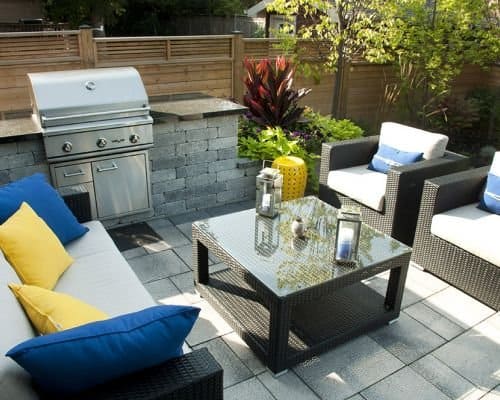
Transform Your Toronto Yard into a Sustainable Oasis
Transforming Toronto yards into beautiful, sustainable outdoor retreats isn’t just a passing trend—it’s a community-wide shift driven by a desire to blend aesthetic appeal with environmental responsibility. As urban spaces become more limited, homeowners are increasingly seeking ways to create outdoor areas that are both inviting and eco-friendly. The goal is to craft landscapes that enhance curb appeal while supporting local ecosystems and reducing resource consumption, making every yard a reflection of thoughtful, sustainable design.
This movement toward greener yards is about more than just looks. It’s about establishing personal sanctuaries that connect residents with nature and contribute to a healthier city. Native plants, eco-conscious materials, and innovative design practices form the foundation of these projects. By choosing species that naturally thrive in Toronto’s climate, homeowners can minimize watering, chemical use, and ongoing maintenance, all while supporting local wildlife and pollinators.
Designing sustainable landscapes requires a focus on both form and function. Thoughtful layout, plant layering, and zone creation maximize utility and visual harmony, making outdoor spaces feel cohesive and effortless. Features like rain gardens, permeable pavements, and smart irrigation systems demonstrate how technology and eco-friendly materials can work together to support resilience and efficiency.
Creating these outdoor retreats also involves a clear understanding of client needs and preferences. Listening carefully allows designers to tailor solutions that balance beauty with practicality. Incorporating multi-purpose features and natural materials results in spaces that are not only stunning but also easy to care for—a crucial factor in maintaining long-term satisfaction.
The broader benefits extend beyond individual yards. Sustainable landscaping contributes to stormwater management, improves air quality, and enhances biodiversity across Toronto. These efforts foster a sense of community stewardship, turning private gardens into vital parts of the city’s ecological fabric.
Ultimately, transforming yards into eco-friendly retreats reflects a mindset that values long-term health—for the landscape, the community, and the planet. When design and responsibility come together seamlessly, outdoor spaces become more than just beautiful—they become resilient, functional, and deeply connected to their environment. This approach ensures that each project not only elevates a home’s curb appeal but also supports a sustainable future for Toronto’s outdoor living.
Essential Principles for Eco-Friendly Landscape Design
Sustainable landscape design rests on principles that harmonize environmental health with visual appeal. Native plants are at the core of this approach; they are naturally suited to Toronto’s climate, requiring less water, fertilizers, and chemicals. This not only simplifies maintenance but also bolsters local biodiversity by providing habitat for native insects, birds, and pollinators throughout the seasons. Selecting the right native species ensures a vibrant, resilient landscape that thrives without heavy intervention.
Eco-friendly materials further underpin sustainable landscapes. Permeable pavers, recycled gravel, and reclaimed wood help manage stormwater effectively, reducing runoff and erosion. These materials allow water to seep into the ground, replenishing groundwater supplies and minimizing environmental impact. Using recycled and reclaimed products supports a circular economy and aligns with responsible construction practices, creating a cohesive design that respects and enhances the natural environment.
Designing for beauty and practicality involves thoughtful layout and plant layering. Grouping plants for easier care, designing pathways that promote natural flow, and establishing distinct zones support functionality without clutter. Features like shaded seating areas and built-in planters add versatility, making outdoor spaces inviting and adaptable. When these elements are integrated seamlessly, they foster a landscape that is both aesthetically pleasing and easy to maintain over time.
Innovations in sustainable design have evolved alongside growing environmental awareness. Rain gardens for stormwater management, smart irrigation systems, and the use of eco-conscious materials like recycled composites demonstrate how eco-friendly techniques can enhance beauty without sacrificing durability. These practices prove that sustainable landscapes can be both resilient and visually stunning, providing lasting value for homeowners who seek harmony between form and function.
Every element in a sustainable landscape should serve a purpose beyond aesthetics. Native plants support ecosystems, eco-friendly materials reduce environmental strain, and features like bioretention gardens help regulate water naturally. This ecological balance creates outdoor spaces that are durable, adaptable, and capable of withstanding Toronto’s seasonal shifts while supporting biodiversity. Thoughtful design ensures these landscapes remain vibrant and healthy through changing conditions.
Emerging techniques continue to transform outdoor spaces. Bioretention gardens capture and filter rainwater, modular decks made from recycled materials add style, and permeable pavements help recharge groundwater. Smart irrigation systems, which adjust watering based on weather, conserve water while keeping landscapes lush. Combining these innovations with local climate considerations results in outdoor retreats that are both attractive and highly functional, proving that sustainability and beauty can go hand in hand.
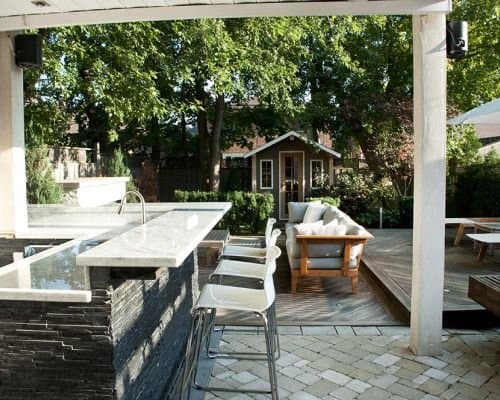
Practical Strategies for Seamless, Eco-Conscious Yard Makeovers
Creating a seamless and sustainable yard transformation starts with a clear understanding of your client’s vision and how they plan to use their outdoor space. Listening carefully to their preferences and routines allows you to tailor solutions that blend beauty with practicality. Native plants and eco-friendly materials are essential—they thrive naturally in Toronto’s climate, reducing the need for watering and chemical inputs, while also supporting local wildlife. When these elements are thoughtfully integrated, the yard feels cohesive and effortless, balancing visual appeal with environmental responsibility.
The layout plays a crucial role in achieving this harmony. Grouping plants for easier maintenance, designing pathways that promote a natural flow, and creating designated zones for different activities maximize utility without clutter. Incorporating multi-purpose features like built-in planters or shaded seating areas adds versatility, making the space inviting and functional throughout the seasons. Early planning around these practical details ensures the landscape remains manageable and enjoyable long-term, aligning with both client expectations and sustainable goals.
Modern outdoor features further elevate the retreat’s appeal while supporting eco-conscious practices. Water-efficient irrigation systems, eco-friendly lighting, and permeable pavements are small upgrades with a big impact—they help conserve water, reduce energy use, and manage stormwater naturally. When combined with native plants and natural materials, these elements create a balanced environment that is both attractive and resilient, capable of weathering Toronto’s seasonal shifts with ease.
Maintaining open communication with clients throughout the project is vital. Regular updates and flexibility allow adjustments to better meet evolving needs and expectations. Discussing costs and maintenance upfront helps manage practical concerns, especially when introducing sustainable features that may require initial investment. This collaborative approach builds trust and ensures the final result aligns with the client’s vision, making the transformation process smooth and satisfying.
After installation, ongoing care and attention keep the landscape vibrant and healthy. Educating clients on sustainable practices—such as proper watering, seasonal pruning, and mulching—encourages active involvement in maintaining their yard’s health. Incorporating smart irrigation systems and choosing durable, eco-friendly materials further ease ongoing upkeep. With thoughtful planning and consistent effort, the landscape will continue to thrive, proving that a well-designed, sustainable yard can surpass expectations and stand the test of time.
Turning Ideas into Reality: Implementing Green Landscapes in Toronto
Planning and executing sustainable landscape projects in Toronto starts with a thorough site assessment. Understanding existing conditions such as soil quality, sunlight exposure, drainage patterns, and current landscape features helps tailor solutions that fit the unique characteristics of each property. This step ensures that eco-friendly choices are practical and effective, setting a strong foundation for the entire project.
Once the site analysis is complete, developing a comprehensive design plan is key. Incorporating native plants, permeable surfaces, and water-efficient systems creates a landscape that balances beauty with sustainability. Clear communication with clients about these elements helps them understand how their yard can support environmental goals while reflecting their personal style. Collaborating closely with suppliers and contractors from the outset guarantees that eco-friendly materials and practices are prioritized throughout the process.
During installation, coordination with contractors who understand sustainable principles is crucial. Regular site inspections help identify and resolve issues early, whether it’s ensuring proper placement of permeable pavers or verifying the health of newly planted native species. Flexibility becomes essential, as unforeseen site conditions or budget constraints may require creative adjustments that still align with sustainability objectives. Patience and clear oversight ensure that the project stays on track without compromising ecological integrity.
Post-installation evaluation confirms whether the project meets its aesthetic and environmental targets. Inspecting plant health, functionality of water management features, and overall landscape resilience provides insight into success. Educating clients on ongoing maintenance—such as seasonal pruning, mulching, and proper watering—encourages active participation in preserving their yard’s health. Installing smart irrigation systems and selecting durable, eco-friendly materials further reduce long-term effort and resource use.
Addressing challenges like budget limitations or climate variability involves strategic choices. Higher upfront costs for native plants or advanced water systems often pay off through lower maintenance and resource expenses over time. Selecting hardy species suited to Toronto’s seasonal changes ensures the landscape remains vibrant year-round. These decisions demonstrate that sustainable design is adaptable and resilient, capable of thriving despite environmental and financial constraints.
Maintaining open communication and a collaborative mindset throughout the project builds trust and clarity. Regular updates, flexibility in design adjustments, and transparent discussions about costs help align expectations. When clients understand the benefits of eco-conscious features and see them integrated seamlessly, they’re more motivated to support ongoing maintenance routines. This partnership ensures the landscape continues to flourish long after installation.
Finally, ongoing care is vital to sustain the project’s success. Educating clients on sustainable practices and providing guidance on seasonal upkeep keeps landscapes healthy and vibrant. Incorporating smart irrigation and eco-friendly materials simplifies maintenance, making it easier for homeowners to manage. With careful planning and active involvement, these landscapes not only meet initial goals but also evolve into resilient, beautiful outdoor retreats that support a greener Toronto.

Looking Ahead: Trends and Innovations in Sustainable Outdoor Spaces
As sustainable outdoor landscaping in Toronto continues to grow, several key trends are shaping what’s next. Native plants and eco-friendly materials remain foundational, offering resilience and low-maintenance benefits that support local ecosystems. Innovations like smart irrigation, rainwater harvesting, and solar-powered lighting are making eco-conscious design more accessible and efficient. These technologies help homeowners reduce their environmental footprint while maintaining beautiful outdoor spaces with less effort.
Advances in automation and monitoring will likely bring even smarter solutions, such as soil moisture sensors and weather-adaptive watering systems. These tools conserve resources and simplify yard care, making sustainable landscapes easier to manage for busy homeowners. Meanwhile, the use of modular, recycled, and natural materials will continue to emphasize that beauty and sustainability can coexist seamlessly. The focus will be on creating outdoor retreats that are both functional and environmentally responsible.
However, adopting these innovations isn’t without challenges. Higher upfront costs for new technologies and eco-friendly materials can be barriers, even as they promise long-term savings and ecological benefits. Toronto’s climate variability also demands careful plant selection and adaptable design strategies to ensure landscapes remain vibrant through all seasons. Educating clients about the value of investing in sustainable features is crucial for fostering support and commitment.
Looking ahead, the scope of sustainable landscaping will extend beyond individual yards to broader community initiatives. Urban projects like rain gardens, permeable pavements, and green corridors will help manage stormwater, improve air quality, and foster biodiversity on a citywide scale. These efforts can transform Toronto into a greener, healthier urban environment where outdoor spaces serve as vital ecological assets and personal sanctuaries alike.
The future of outdoor design in Toronto hinges on collaboration, innovation, and a shared vision for stewardship. By blending creative aesthetics with emerging sustainable practices, professionals and homeowners can craft outdoor retreats that are enduring, beautiful, and environmentally supportive. This ongoing evolution opens the door to outdoor spaces that not only elevate property value but also contribute meaningfully to a resilient, vibrant city—proof that harmony between beauty and sustainability is not only possible but essential for a better tomorrow.
