Transforming Toronto yards into vibrant outdoor retreats is more than just planting and paving—it’s about balancing beauty, durability, and ecological responsibility. With Toronto’s unique climate challenges, how can homeowners enjoy lush landscapes that thrive year-round while supporting local ecosystems? This guide uncovers the core principles of sustainable landscape design, emphasizing native plants, eco-friendly materials, and smart water management strategies. It explores innovative features like rain gardens, permeable pavements, and solar lighting, which elevate outdoor spaces into sustainable sanctuaries. Professional insights reveal that thoughtful planning, client collaboration, and ongoing maintenance are key to long-term success. What does the future hold? Increasing adoption of renewable technologies, resilient native flora, and recyclable materials promises landscapes that are not only stunning but also vital to Toronto’s ecological health. Embracing these practices transforms ordinary yards into enduring, environmentally harmonious retreats—spaces that truly stand the test of time.
Transform Your Toronto Outdoor Space with Expert Landscaping Solutions
Looking to elevate your outdoor living in Toronto? Toronto Landscape & Design (TLD) offers top-tier services including natural stone installations, water gardens, irrigation systems, and retaining walls. Our award-winning designers take everything into consideration to create personalized, stunning landscapes that suit your style and environment. Whether you’re dreaming of a complete backyard makeover or simple enhancements, our team ensures quality and craftsmanship at every step. Discover how we can transform your outdoor space into a beautiful sanctuary. For consultations, contact [email protected] or call 1.416.644.0499. Start your journey toward a breathtaking landscape today by exploring our backyard makeover services.
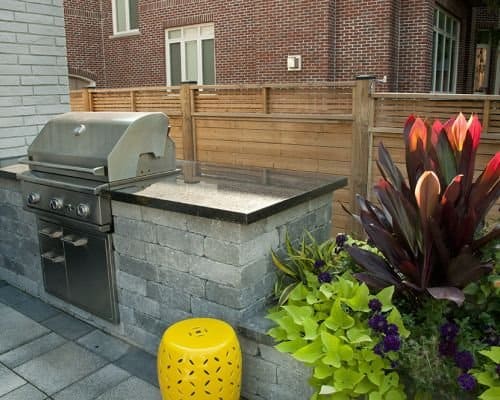
Transforming Toronto Yards into Sustainable Outdoor Retreats
Transforming a Toronto yard into an inviting outdoor retreat involves more than just planting a few shrubs or laying stones. It’s about striking the right balance—creating a space that’s beautiful, environmentally responsible, and tailored to the homeowner’s lifestyle. With Toronto’s climate, which features cold winters and warm summers, designing landscapes that thrive year-round adds an extra layer of complexity. Careful plant selection and smart use of materials suited to handle temperature swings and precipitation are essential.
Sustainable landscape design isn’t just a passing trend; it’s a necessary approach for modern outdoor spaces. By adopting eco-friendly practices, designers can reduce resource consumption, lower maintenance costs, and support local ecosystems. Native plants are a key part of this—adapted to Toronto’s environment, they require less water, fertilizers, and pesticides, making landscapes more resilient and easier to care for over time. Incorporating these plants not only benefits the environment but also creates natural-looking, vibrant gardens that attract local wildlife.
Balancing aesthetics with sustainability requires thoughtful planning. Understanding what homeowners want—whether it’s a lush garden, a sleek hardscape, or a low-maintenance yard—guides the design process. The goal is to craft outdoor spaces that meet these desires without sacrificing ecological responsibility. This can include permeable paving to manage stormwater, efficient irrigation systems, or naturalistic layouts that foster biodiversity and support local habitats.
Toronto’s seasonal shifts influence every design decision. Heavy snowfall demands effective drainage solutions, while summer heat calls for drought-tolerant plants. A resilient landscape considers these factors, ensuring that plants and materials perform well across seasons with minimal intervention. This focus on durability means homeowners enjoy their outdoor retreats year-round without frequent repairs or replacements, making the space a long-term asset.
Creating beautiful, sustainable landscapes also involves integrating innovative features. Solar-powered lighting, rain gardens, and recirculating ponds enhance both the visual appeal and eco-friendliness of a yard. Recycled pavers and natural materials add character while reducing environmental impact. These thoughtful touches help craft outdoor retreats that are not only stunning but also aligned with ecological principles.
Ultimately, sustainable landscape design in Toronto is about more than just aesthetics. It’s about creating outdoor spaces that support the city’s environment, withstand seasonal challenges, and reflect the homeowner’s personal style. When done well, these landscapes become more than yards—they transform into serene, resilient retreats that enrich the urban landscape for years to come.
Fundamental Principles for Eco-Friendly Landscape Design
Core principles of sustainable landscape design focus on creating outdoor spaces that are both environmentally responsible and visually appealing. At the heart of this approach is making thoughtful choices that minimize chemical use, conserve water, and utilize sustainable materials. For example, permeable paving allows rainwater to soak into the ground instead of running off, helping reduce erosion and easing the burden on stormwater systems. These eco-friendly options not only protect the environment but also boost the long-term resilience of the landscape.
Native plants are fundamental to sustainable design. Adapted to Toronto’s climate, they thrive with less water, fertilizers, and pesticides, making them a smart choice for low-impact landscaping. These plants support local biodiversity by providing habitats for pollinators like bees and butterflies, which are vital for a healthy ecosystem. Plus, native species typically require less maintenance, easing ongoing care for homeowners while maintaining vibrant, natural-looking gardens.
Designing with climate responsiveness further enhances sustainability. Every element—from plant choices to hardscape materials—should consider seasonal variations and environmental stresses. Drought-tolerant plants help reduce watering needs during dry periods, while shaded areas can minimize heat gain in summer. Incorporating these strategies ensures the landscape performs well throughout the year, with fewer resources and less intervention required.
Choosing durable, recycled, or reclaimed materials for pathways and features adds another layer of eco-consciousness. These materials often carry their own character, blending seamlessly with native plants and naturalistic layouts. Layering native flora with eco-friendly hardscapes creates outdoor environments that are not only beautiful but also more sustainable and easier to maintain over time.
Water management techniques are central to these principles. Drip irrigation, rain sensors, and rain gardens deliver water efficiently, reducing waste and supporting healthy plant growth. Integrating these practices from the start helps ensure landscapes are functional and environmentally friendly, aligning with broader goals of resource conservation and biodiversity support.
Resilience is key—landscapes must be designed to withstand Toronto’s seasonal shifts and environmental challenges. Selecting plants and materials suited to local conditions ensures a vibrant, healthy outdoor space that requires minimal repairs. This focus on durability means homeowners can enjoy their gardens year-round without constant intervention, making the landscape a lasting investment.
By applying these core principles—native plants, eco-friendly materials, climate-responsive strategies, and smart water management—designers craft outdoor retreats that are as sustainable as they are stunning. These landscapes demonstrate how beauty and responsibility go hand in hand, resulting in spaces that stand the test of time while supporting local ecosystems.
This approach ultimately creates outdoor environments that support the city’s ecological health and meet homeowners’ aesthetic goals. The blend of thoughtful design and sustainable practice transforms yards into resilient retreats—spaces that are beautiful today and beneficial for future generations.

Innovative Features That Elevate Sustainability and Aesthetics
Innovative features are revolutionizing Toronto outdoor spaces, turning ordinary yards into sustainable retreats that impress and endure. Solar-powered LED lighting, for instance, adds a warm glow after sunset while reducing energy consumption, creating inviting environments that feel both stylish and eco-friendly. Rain gardens and recirculating ponds serve dual purposes: they enhance the tranquility of a space and naturally manage stormwater, easing pressure on city drainage systems and promoting local ecosystems.
Hardscaping has also evolved with the introduction of permeable pavers made from recycled materials. These surfaces allow rainwater to seep into the ground, reducing runoff and erosion while maintaining a sleek appearance. Paired with smart irrigation systems equipped with weather sensors, these features ensure plants receive just the right amount of water, conserving resources and simplifying maintenance for homeowners.
Incorporating native plants into landscape designs not only boosts resilience but also supports biodiversity. These plants are naturally adapted to Toronto’s climate, requiring less water, fertilizers, and pesticides. Layered plantings and naturalistic layouts mimic local ecosystems, creating vibrant, authentic environments that demand minimal upkeep and withstand seasonal stresses. This approach fosters landscapes that are both beautiful and sustainable over time.
Designers are also exploring eco-friendly hardscape materials like reclaimed stone, recycled wood, and biodegradable mulches. These choices add texture and character while significantly lowering environmental impact. When combined with innovative water features and native plantings, they create outdoor retreats that are visually stunning, functional, and easier to maintain, ensuring longevity and ecological harmony.
These innovations are shaping the future of outdoor design in Toronto—spaces that are not only aesthetically appealing but also smarter, more resilient, and environmentally responsible. By seamlessly integrating new technologies and sustainable practices, landscape professionals can craft outdoor retreats that adapt to changing climates and meet the evolving needs of homeowners. This blend of style and sustainability creates outdoor environments that are truly built to last, enriching the urban landscape for years to come.
Expert Strategies and Best Practices for Resilient Landscapes
Professional insights into successful sustainable landscape projects in Toronto highlight the importance of a holistic approach that balances environmental responsibility with aesthetic appeal. Experienced designers emphasize selecting native plants, which thrive naturally in Toronto’s climate, require less water and maintenance, and support local pollinators. When these plants are combined with eco-friendly materials and smart irrigation systems, the result is resilient, low-impact outdoor spaces that stay vibrant year-round.
Case studies from local projects demonstrate that clear communication and collaboration are crucial. When designers take the time to understand each client’s unique needs and educate them about sustainable practices, the final landscape feels both personalized and ecologically sound. For example, a Toronto homeowner’s desire for a lush, low-maintenance garden was realized through native plantings, permeable paving, and rainwater harvesting—each tailored to seasonal changes. These stories prove that thoughtful planning aligned with ecological principles leads to high client satisfaction and long-lasting results.
Staying current with innovations is another key to success. Top professionals incorporate permeable hardscaping, recycled materials, and solar lighting into their designs, not just for style but also for reducing environmental impact. Many projects feature recirculating water systems that manage stormwater while creating peaceful retreats. These solutions show that sustainability doesn’t mean sacrificing beauty; instead, it enhances the overall design, making landscapes more durable and eco-conscious.
Ongoing maintenance and adaptability are essential elements. Regular pruning, organic pest control, and mulching help keep landscapes healthy without relying on chemicals or excessive watering. Smart irrigation systems that respond to weather conditions ensure plants receive just the right amount of water, simplifying upkeep. Educating clients on these practices helps preserve the landscape’s ecological integrity over time, making sustainability an integrated part of their routine.
Finally, naturalistic layouts and layered plantings are favored for their resilience. Mimicking Toronto’s native ecosystems creates environments that require fewer inputs and better withstand seasonal stresses. By choosing adaptable native plants and durable, recycled hardscape materials, designers craft outdoor retreats that age gracefully and maintain their appeal. These strategies produce landscapes that are both beautiful and sustainable, reflecting a commitment to long-term environmental health and client satisfaction.

Future Trends Shaping Toronto’s Sustainable Outdoor Spaces
Looking ahead, the future of sustainable landscape design in Toronto promises even greater integration of innovative technologies and eco-conscious practices. Smart irrigation systems that adjust watering based on weather patterns and rainwater harvesting solutions will become standard, helping homeowners conserve resources effortlessly. These advancements will not only reduce environmental impact but also make maintenance simpler, ensuring landscapes stay lush with minimal effort.
Native plants will continue to lead the way, especially as climate change introduces new environmental stresses. Designing resilient outdoor retreats that support local ecosystems while requiring less intervention will be critical. The use of eco-friendly hardscape materials like recycled stones and biodegradable mulches will further reduce the ecological footprint of landscape projects, adding character and durability to outdoor spaces.
Emerging solutions such as permeable pavements, rain gardens, and renewable energy features will reshape how Toronto landscapes handle stormwater and energy needs. These innovations will help mitigate climate-related challenges, making outdoor retreats more adaptable and long-lasting. As these technologies become more affordable and accessible, homeowners will increasingly adopt sustainable practices, turning eco-friendly landscapes into commonplace.
The shift toward low-impact, durable materials will influence future designs, with reclaimed and recycled options becoming more prevalent. Combining these with native plants and water-smart features will produce outdoor environments that not only look beautiful but also require less ongoing care. This approach aligns with broader goals of creating spaces that are both visually appealing and environmentally responsible, supporting the city’s ecological health.
Homeowners are becoming more aware of their ecological footprint, driving demand for sustainable solutions. This awareness encourages designers to innovate continuously and educate clients on best practices. As a result, outdoor spaces will evolve into resilient, biodiverse retreats that enhance urban living while supporting local wildlife and ecosystems.
Professional collaboration and ongoing research will be vital in shaping these future trends. Attending industry workshops, testing new eco-friendly materials, and engaging with community initiatives will help designers refine their craft. This commitment to innovation ensures that upcoming projects will seamlessly blend beauty, resilience, and sustainability, setting new standards for outdoor retreats in Toronto.
By embracing these evolving trends, Toronto’s outdoor spaces can transform into true eco-retreats—spaces that are not only stunning and functional but also vital to the city’s environmental future. The ongoing dedication of landscape professionals and residents alike will foster outdoor environments that enrich lives today and safeguard ecological health for generations to come.
