In a digital age dominated by screens and instant connectivity, the simple act of gardening emerges as a powerful tool for building deeper bonds and fostering emotional healing. Sharing a garden—whether a sprawling backyard or a balcony pot—transcends physical labor, becoming a ritual of patience, trust, and vulnerability. As hands dig into the soil, conversations flow more naturally, and relationships grow amid the rhythms of planting, watering, and harvesting. This grounding activity not only reduces stress and boosts well-being but also creates shared moments of accomplishment that strengthen connections. Could tending to plants together unlock resilience and understanding in even the busiest lives? With ongoing innovations and community efforts, gardening promises to remain a timeless bridge to genuine connection, reminding us that growth—personal and relational—thrives best when rooted in care, presence, and shared effort.
Deepening Emotional Bonds Through Garden Sharing
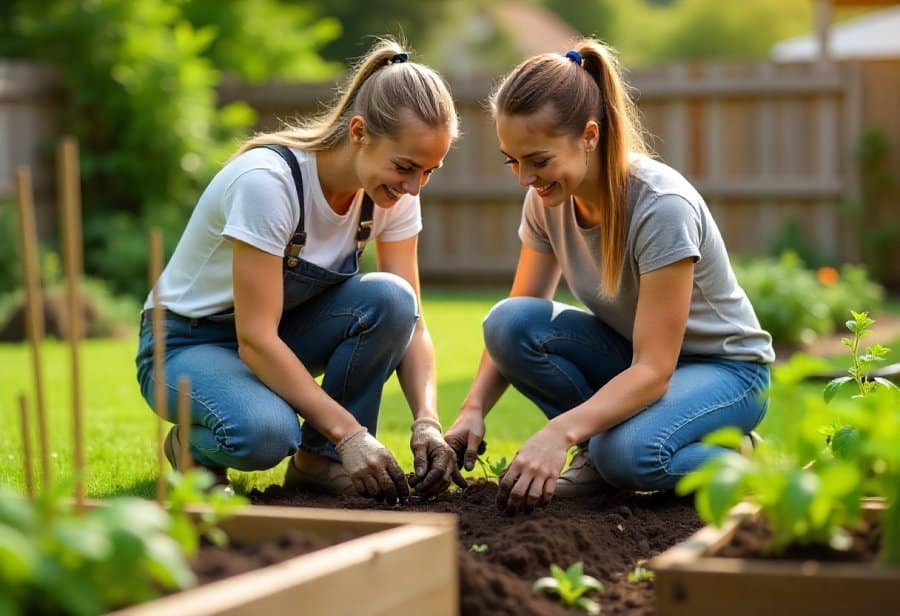
Sharing a garden with someone isn’t just about planting flowers or growing vegetables; it’s a quiet, powerful way to build trust and deepen emotional bonds. When you work side by side in the dirt, you’re doing more than tending to plants—you’re creating moments of connection rooted in patience, cooperation, and shared effort. Simple tasks like watering, planting, or weeding become natural opportunities for honest conversation and mutual understanding, often unfolding without the need for words.
Gardening as a shared activity taps into a timeless form of relationship-building. There’s something inherently healing about nurturing life, whether it’s a sprout emerging from the soil or a relationship gradually growing stronger. The act of caring for plants becomes a gentle metaphor for caring for each other, fostering vulnerability and trust in a non-verbal way. As hands get dirty and patience is tested by the rhythms of nature, bonds are woven through shared responsibility and support.
In today’s fast-paced, digital world, finding space for meaningful connection can be challenging. Gardening offers a grounding activity that pulls us outside, away from screens, and into the present moment. These shared routines encourage mindfulness—focusing on the sensory experience of soil, water, and sunlight—helping us slow down and truly be present. Over time, these quiet moments of tending and nurturing naturally lead to deeper conversations and emotional closeness.
Beyond emotional benefits, gardening also promotes a sense of calm and well-being. Working with soil and plants has been linked to reduced stress and increased feelings of happiness. The tactile engagement helps quiet racing thoughts and provides a sense of accomplishment, especially during difficult times. When shared with someone else, these effects are amplified, creating a safe space where vulnerability can flourish and trust can grow.
Small routines in the garden—whether planting a new flower or harvesting vegetables—become meaningful rituals that reinforce teamwork and patience. These regular acts foster a sense of progress and shared pride, turning gardening into a bonding experience that extends beyond the physical activity. It’s in these moments that relationships deepen naturally, built on mutual effort, patience, and care.
Gardening doesn’t require a large outdoor space or expert skills; even a few potted plants on a balcony can become a foundation for connection. The key is approaching it with openness and consistency, turning it into a shared journey rather than just a task. Over time, these routines help create emotional safety, transforming gardening into a healing ritual that nurtures love, understanding, and resilience.
In a world increasingly dominated by screens and digital distractions, tending a garden together offers a simple yet profound way to reconnect. It reminds us that genuine bonds often grow from patience, shared effort, and presence—elements that flourish best when rooted in the natural world. Through this act of caring for something alive, we not only nurture plants but also cultivate deeper, more meaningful relationships.
Harnessing Nature’s Healing Power for Emotional Well-Being
Spending time outdoors has a remarkable ability to soothe our emotional state. Whether it’s a quiet walk through a park, tending to a garden, or simply sitting beneath a leafy tree, green spaces help us feel more anchored and less overwhelmed by daily pressures. Being in nature triggers our bodies to lower cortisol levels—the hormone linked to stress—and boosts the release of mood-enhancing chemicals like serotonin. This natural shift makes us feel lighter, more centered, and better equipped to handle life’s challenges.
Gardening, in particular, amplifies these calming effects. The act of caring for plants encourages mindfulness—focusing fully on the present moment and engaging the senses—soil, water, sunlight, and the textures of leaves. This focus quiets racing thoughts, providing a mental break that’s especially valuable during stressful times. Watching tiny seeds sprout into thriving plants offers a sense of accomplishment and hope, reinforcing the idea that growth is a gradual, patient process.
When shared with others, outdoor activities like gardening deepen these benefits. Nature invites a slower pace, creating space for genuine conversation and connection. Working side by side in the garden fosters empathy and trust, helping relationships evolve beyond superficial exchanges. The natural rhythm of planting, watering, and harvesting becomes a shared experience that not only nurtures the plants but also cultivates mutual understanding and emotional bonds.
Research supports the idea that exposure to green spaces enhances emotional well-being. Studies show that time spent in nature can improve focus, reduce symptoms of depression, and even strengthen immune function. Handling soil and tending plants serves as a form of gentle outdoor therapy—offering tangible ways to process emotions and restore mental balance. For many, gardening becomes a safe, accessible outlet for healing, providing both physical activity and emotional nourishment.
Ultimately, the healing power of nature extends into our relationships. Engaging in outdoor activities together builds patience, fosters teamwork, and nurtures trust. These shared moments in green environments create a foundation for emotional resilience, reminding us that caring for something alive can be a powerful act of healing—for ourselves and each other. Connecting with nature isn’t just about the environment; it’s about reconnecting with what truly sustains us—love, trust, and inner peace.
Breaking Digital Barriers: Reconnecting Through Gardening
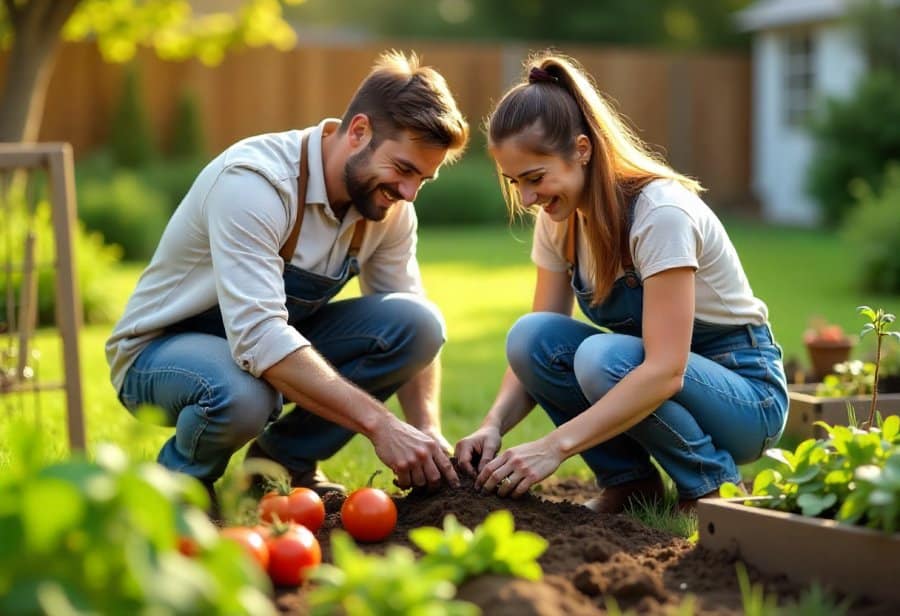
In today’s world, screens are everywhere—smartphones, social media, emails—and they pull our attention away from the present moment. While digital tools keep us connected, they often create a barrier to genuine, face-to-face interaction. It’s easy to get caught up in a constant stream of notifications, making meaningful connections feel distant or superficial. Gardening offers a refreshing way to step back from this digital noise and reconnect in a more authentic way.
Tending a garden shifts our focus from virtual to tactile. When we’re working with soil, watering plants, or planting seeds, our attention is drawn to the sensory experience—the texture of dirt, the warmth of sunlight, the scent of blooming flowers. This presence in the moment helps quiet the mental clutter caused by digital distractions, creating a natural pause that allows real connection to flourish.
Shared gardening activities foster face-to-face interaction that’s rooted in teamwork and care. Unlike hurried texts or social media chats, working side by side in the garden encourages relaxed conversations and mutual support. The physical act of nurturing plants together builds trust and creates a rhythm of interaction that’s more meaningful and genuine. It’s in these moments—focused on growth and care—that bonds deepen effortlessly.
Gardening also acts as a calming ritual, helping to reduce stress and elevate mood. The routine of caring for plants provides a mental break from the constant barrage of digital interruptions. As hands get dirty and plants thrive, the focus shifts from screens to the tangible process of growth, making it easier to connect emotionally without distraction. These quiet, mindful moments create space for authentic conversations and shared understanding.
Many mental health experts now highlight outdoor activities like gardening as powerful tools for well-being. Nature’s calming influence not only lowers stress hormones but also fosters mindfulness—sensing, observing, and being present. When we put down devices and immerse ourselves in the natural world, we create opportunities for honest dialogue and deeper emotional bonds that aren’t easily achieved through digital interactions.
Choosing to spend time outdoors together sends a clear message: genuine connection requires intention and presence. By focusing on shared experiences in nature, we learn to listen better, support each other more fully, and build trust that’s rooted in real, human interaction. Gardening becomes a deliberate act of slowing down, of valuing patience and presence over instant gratification.
This intentional shift from digital to natural environments can transform relationships, making them more resilient and authentic. It reminds us that true connection often happens when we’re fully present—hands in the soil, hearts open, and minds attentive. In a world dominated by screens, tending a garden together offers a simple yet profound way to nurture not only plants but also the bonds that sustain us.
Practical Strategies to Foster Emotional Connections in the Garden
Building strong emotional bonds through gardening doesn’t require elaborate plans or complicated techniques. Instead, establishing simple routines and shared goals can create a steady rhythm that makes the activity meaningful and engaging. For example, setting aside specific times—like Sunday mornings—to work together transforms gardening from a task into a cherished ritual. These regular moments become a foundation for connection, encouraging conversation and teamwork without added pressure.
Adding achievable goals keeps everyone motivated. Whether planting a flower bed, harvesting vegetables, or decorating pots, celebrating small wins reinforces a sense of progress and shared accomplishment. When efforts lead to tangible results, it sparks pride and reinforces the idea that growth takes patience and collaboration. These milestones turn gardening into a journey of mutual support, strengthening bonds as plants—and relationships—flourish.
Dividing responsibilities based on individual interests or strengths fosters participation and minimizes frustration. Someone might enjoy pruning, while another prefers sowing seeds. Giving each person a task they feel confident in nurtures a sense of ownership and respect. This approach teaches patience and reliance, as each person learns to support others’ contributions, creating a sense of partnership rooted in trust.
Incorporating a touch of creativity can make gardening even more engaging. Themed gardens, like a butterfly garden or an herb patch, add fun and purpose. Rituals—such as dedicating a seed to a loved one or celebrating the first bloom—turn routine tasks into memorable moments. These shared experiences deepen emotional ties by turning garden work into opportunities for storytelling and bonding, making the activity more than just tending plants.
Maintaining a relaxed atmosphere is key to fostering genuine connection. Playing music, sharing stories, or simply chatting about plants and life turns gardening into a joyful, social experience. When the focus shifts from perfection to enjoyment, everyone feels more comfortable opening up. Regularly reflecting on progress, discussing what each person enjoyed or found challenging, builds empathy and understanding, strengthening the relationship through honest conversation.
Approaching gardening with mindfulness and patience naturally encourages openness. Instead of rushing through tasks, taking the time to observe and appreciate the process helps build emotional safety. Sharing these calm, focused moments creates a supportive environment where vulnerability can flourish and trust deepens. This gentle approach makes the activity a powerful tool for nurturing love and understanding.
By weaving these strategies into your gardening routine, you create a space where emotional bonds grow alongside your plants. The shared effort, patience, and creativity transform simple acts of care into meaningful connections. Over time, these practices foster resilience, trust, and a deeper sense of companionship—proof that nurturing a garden can also nurture the heart.

Reflections on Gardening’s Future as a Path to Healing
As awareness around mental health and emotional well-being continues to grow, the potential for gardening to serve as a powerful healing tool becomes more evident. Communities are increasingly embracing outdoor activities like shared gardening, recognizing their capacity to foster connection, resilience, and a sense of purpose. Initiatives such as urban green spaces, community gardens, and even virtual gardening programs are making these benefits accessible to more people, proving that nurturing life doesn’t require sprawling yards—small spaces or balcony pots can be just as impactful.
Advancements in technology might further expand gardening’s role in emotional healing. Smart gardening tools that monitor plant health, mobile apps for shared planting projects, or virtual reality experiences simulating lush garden environments could help those with physical limitations or busy schedules stay connected to nature. Community-led outdoor therapy sessions or group gardening projects could turn this simple act into a communal practice that promotes teamwork and emotional support, making gardening not just a hobby but a widespread method for nurturing mental health.
Yet, challenges remain. Urbanization continues to eat into green spaces, and digital distractions often pull us away from outdoor activities. Overcoming these barriers requires creative solutions—transforming balconies into mini-gardens, establishing community plots in underused spaces, or promoting urban gardening initiatives that bring nature closer to everyday life. Making outdoor environments inviting and inclusive encourages more people to experience the calming and bonding effects of tending plants together, reinforcing that even small acts of care can lead to profound emotional benefits.
As society recognizes the healing power of nature, gardening is poised to become a key component of holistic approaches to mental health. Schools, workplaces, and healthcare providers are beginning to incorporate gardening projects into routines, helping people of all ages develop patience, empathy, and trust through simple acts of nurturing. These efforts highlight how caring for plants can mirror personal growth, fostering emotional resilience and a sense of community.
The connection between nature and healing is backed by a wealth of research and countless stories of transformation. Tending a garden together nurtures patience, mindfulness, and a sense of achievement—qualities that support emotional well-being. As more individuals discover these benefits, gardening is likely to evolve into an accessible, effective tool for emotional growth and relationship strengthening. Its timeless appeal, combined with new innovations, ensures it remains relevant in fostering connection amid societal changes.
Looking ahead, the future of gardening as a healing activity appears promising. Its ability to cultivate patience, support communication, and build trust makes it resilient to changing times. By leveraging community involvement and technological innovations, gardening can continue to serve as a simple yet profound way for people to reconnect—with themselves, each other, and the natural environment. In a world that often pulls us apart, tending to a garden together offers a gentle reminder that growth—personal and relational—happens best when rooted in care and presence.